




Hematologic Oncology
Latest News
Advertisement
Latest Videos

CME Content

































Advertisement
More News

Narendranath Epperla, MD, MS, reflects on recent advances in Hodgkin lymphoma and non-Hodgkin lymphoma.

Madhuri Vusirikala, MD, discusses the role of minimal residual disease in acute lymphoblastic leukemia.
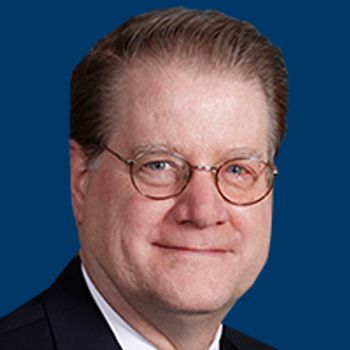
Lloyd Damon, MD, discusses the evolution of the treatment paradigm in acute lymphoblastic leukemia.
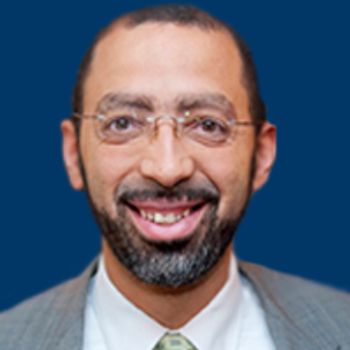
The European Commission has granted a conditional marketing authorization to polatuzumab vedotin in combination with bendamustine and rituximab for the treatment of adult patients with relapsed/refractory diffuse large B-cell lymphoma who are ineligible for hematopoietic stem cell transplant.
Alice S. Mims, MD, discusses the emergence of targeted therapy in acute myeloid leukemia treatment.
Alison J. Moskowitz, MD, discusses important updates in Hodgkin lymphoma.

Weiyun Z. Ai, MD, PhD, discusses some of the most pivotal advances that have been made in the fields of T-cell lymphoma and Hodgkin lymphoma in recent years.
Although small molecule inhibitors of the Hedgehog signaling pathway have transformed the treatment paradigm for advanced basal cell carcinoma, the most common form of skin cancer, efforts to expand their use to other tumor types have proved elusive.
Patrick Brown, MD, discusses the encouraging results of blinatumomab (Blincyto) in the AALL1331 trial.
Jean L. Koff, MD, MS, discusses systemic therapies in follicular lymphoma.

The United Kingdom’s National Institute for Health and Care Excellence has issued guidelines recommending against pembrolizumab for use in treatment-naïve patients with metastatic or unresectable recurrent head and neck squamous cell carcinoma whose tumors express PD-L1 with a combined positive score of ≥1.
Alice S. Mims, MD, discusses developed resistance in acute myeloid leukemia.

Pamela Blair Allen, MD, MSc, discusses treatment options in advanced-stage Hodgkin lymphoma.
Experts from The Ohio State University Comprehensive Cancer Center–James highlighted exciting research being conducted at their institution.
Martha L. Arellano, MD, discusses the management of older patients with acute myeloid leukemia.
Kellie Ryan, MPH, discusses the importance of long-term follow-up with acalabrutinib in patients with mantle cell lymphoma (MCL) and chronic lymphocytic leukemia (CLL).

The FDA has placed a partial clinical hold on the TELLOMAK trial, which is evaluating the efficacy and safety of lacutamab in patients with advanced T-cell lymphoma.

Jonathan E. Brammer, MD, discusses the importance of achieving minimal residual disease negativity in relapsed/refractory acute lymphoblastic leukemia.
Loncastuximab tesirine demonstrated an overall response rate of 45.5% in patients with relapsed/refractory diffuse large B-cell lymphoma, including those who are difficult to treat.
Alice Mims, MD, discusses biomarker research and therapeutic developments in acute myeloid leukemia.
Jonathan E. Brammer, MD, discusses the role of minimal residual disease and transplant in acute lymphoblastic leukemia, as well as the introduction of CAR T-cell therapy and other novel agents to the armamentarium.
Alice S. Mims, MD, discusses up front molecular profiling in patients with newly diagnosed acute myeloid leukemia.
James K. McCloskey II, MD, discusses the results of the phase III ASCERTAIN trial in myelodysplastic syndrome.
Andre Goy, MD, MS, chief, discusses the results of the multicenter FLYER trial in patients with diffuse large B-cell lymphoma.

The combination of itacitinib and corticosteroids did not induce a statistically significant improvement in overall response rate at day 28 compared with placebo plus corticosteroids in patients with treatment-naïve acute graft-versus-host disease, missing the primary endpoint of the phase III GRAVITAS-301 trial.
Advertisement
Advertisement
Trending on OncLive
1
Single-Center, Retrospective Data Show Low Rate of Lifileucel Infusion Following Referral in Advanced Melanoma
2
Long-Term Cilta-Cel Data Show Low Rates of PFS Events in Standard-Risk R/R Myeloma
3
Real-World Data Support Clinical Benefit With Lifileucel in Previously Treated Advanced Melanoma
4
Dr Riedell on the Long-Term Efficacy of Tisa-Cel in R/R Follicular Lymphoma
5