




Hematologic Oncology
Latest News
Advertisement
Latest Videos

CME Content































Advertisement
More News

Rituximab is used ubiquitously in the treatment of B-cell lymphomas, and has set the paradigm the field has been trying to match in drug development.
The FDA has approved a supplemental Biologics License Application for romiplostim, updating its label to include data demonstrating sustained platelet responses in adults with immune thrombocytopenia. Romiplostim is approved for the treatment of adult patients with newly diagnosed or persistent who have had an insufficient response to corticosteroids, immunoglobulins, or splenectomy.

Andrew T. Kuykendall, MD, discusses the use of ruxolitinib versus fedratinib in patients with myelofibrosis.
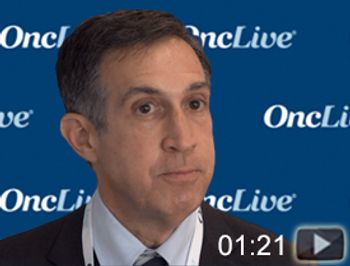
Gary J. Schiller, MD, discusses the benefits and challenges of using venetoclax and glasdegib in patients with relapsed/refractory acute myeloid leukemia.

Jeff Sharman, MD, discusses the current approval and potential future roles for polatuzumab vedotin-piiq (Polivy) in diffuse large B-cell lymphoma.

Ruxolitinib met the primary endpoint of the phase III REACH2 trial, improving the overall response rate at day 28 versus best available therapy in patients with in patients with steroid-refractory acute graft-versus-host disease.
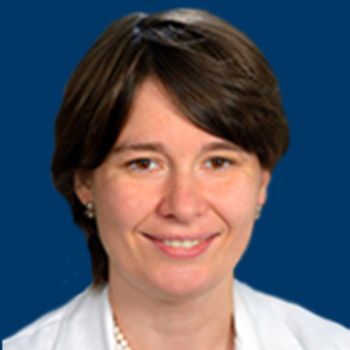
Daria V. Babushok, MD, PhD, provides insight into the latest developments in the treatment of patients with benign hematologic malignancies.
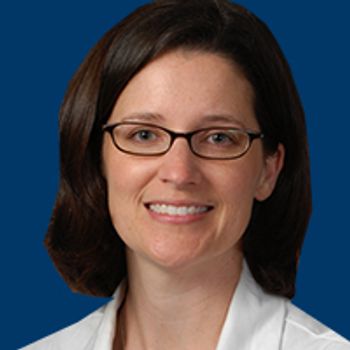
Noelle Frey, MD, MS, highlights various therapies available to patients with acute lymphocytic leukemia and the importance of measuring minimal residual disease.
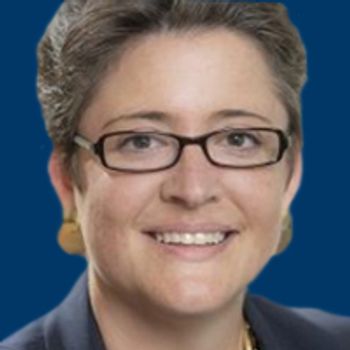
In the phase II CLOVER-1 trial, investigators are evaluating whether CLR 131 will be an effective option for patients with difficult-to-treat relapsed or refractory B-cell lymphomas.

Alexander Edward Perl, MD, MS, discusses advancements in acute myeloid leukemia treatment and future approaches in the field.

Sunita Nasta, MD, discusses exciting updates in follicular lymphoma, diffuse large B-cell lymphoma, and T-cell lymphoma and the impact they will have on the upfront and relapsed/refractory paradigms.
Ruben Mesa, MD, discusses the use of ruxolitinib versus fedratinib in treating patients with myelofibrosis.

Faculty from the George Washington Cancer Center to shed light on some of the current and future research efforts being made at their institution.
Imad Tabbara, MD, discusses the role of minimal residual disease testing in multiple myeloma, acute lymphoblastic leukemia, and acute myeloid leukemia, as well as emerging regimens in all 3 malignancies that are changing standards of care.
John F. DiPersio, MD, PhD, discusses the current state of CAR T-cell therapy, dual affinity re-targeting, bi-specific T-cell engagers, and antibody-drug conjugates for acute myeloid leukemia treatment.

We traveled to Seattle, Washington, for a State of the Science Summit™ on Hematologic Malignancies, which featured insights from Seattle Cancer Care Alliance faculty.
The FDA has awarded 12 new research grants that together total more than $15 million, to enhance the development of medical products for patients with rare diseases, including acute myeloid leukemia and gastrointestinal stromal tumor, among others.

Leading oncology experts at the University of California, Los Angeles share the pivotal research being conducted at their institution.
Alexander E. Perl, MD, MS, discusses how to assess what therapy is best for patients with acute myeloid leukemia.

Although clonal hematopoiesis of indeterminate potential is recognized as a risk factor for developing hematological neoplasms, a growing body of evidence points to its potential significance in broader clinical scenarios.

John M. Timmerman, MD, discusses recent developments made in the treatment of patients with Hodgkin lymphoma.

Jasmine M. Zain, MD, discusses the phase III ECHELON-2 trial and the ongoing work being done in peripheral T-cell lymphoma and other T-cell lymphomas.
Imad Tabbara, MD, discusses the expansion of treatment options for patients with acute myeloid leukemia.

Two clinical trials evaluating blinatumomab compared with chemotherapy in pediatric patients with acute lymphoblastic leukemia were stopped early due to treatment benefit with the bispecific T-cell engager.

John M. Timmerman, MD, discusses the research being conducted across the spectrum of Hodgkin and non-Hodgkin lymphoma.
Advertisement
Advertisement
Trending on OncLive
1
Single-Center, Retrospective Data Show Low Rate of Lifileucel Infusion Following Referral in Advanced Melanoma
2
Long-Term Cilta-Cel Data Show Low Rates of PFS Events in Standard-Risk R/R Myeloma
3
Real-World Data Support Clinical Benefit With Lifileucel in Previously Treated Advanced Melanoma
4
Dr Riedell on the Long-Term Efficacy of Tisa-Cel in R/R Follicular Lymphoma
5