




Hematologic Oncology
Latest News

Obinutuzumab/Chemo Maintains Superior PFS in Untreated Follicular Lymphoma at 8 Years
By Jason Harris
Advertisement
Latest Videos






CME Content






























Advertisement
More News

The triplet combination regimen comprised of quizartinib, decitabine, and venetoclax elicited encouraging responses in heavily pretreated patients with relapsed/refractory FLT3-ITD–mutated acute myeloid leukemia who were previously exposed to a FLT3 inhibitor.
The first-in-class, subcutaneously administered T-cell–engaging bispecific antibody epcoritamab demonstrated deep and durable responses in patients with relapsed/refractory large B-cell lymphoma.
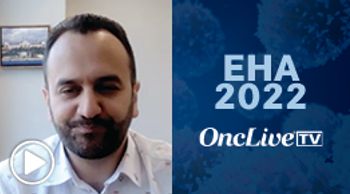
Musa Yilmaz, MD, discusses composite complete remission and bone marrow transplant rates observed in a phase 1/2 trial in patients with FLT3-ITD–mutated acute myeloid leukemia.

Decitabine demonstrated a comparable overall survival and rate of hematopoietic stem cell transplant in addition to a lower incidence of adverse effects vs induction chemotherapy with daunorubicin and cytarabine in older patients at least 60 years of age with acute myeloid leukemia.
Time-limited targeted therapy with venetoclax plus obinutuzumab with or without ibrutinib demonstrated superior progression-free survival outcomes compared with standard chemoimmunotherapy in patients with chronic lymphocytic leukemia.
The addition of quizartinib to standard induction and consolidation chemotherapy and then continued as a single agent doubled median overall survival vs standard chemotherapy alone in patients with newly diagnosed FLT3-ITD–positive acute myeloid leukemia.

Toby Eyre, MBChB, DipMedEd, MRCP, FRCPath, MD, discusses the design and the rationale of the phase 3 BRUIN-MCL-321 trial in mantle cell lymphoma.
Raul Cordoba, MD, PhD, discusses efficacy data with epcoritamab observed in the phase 1/2 EPCORE NHL-2 trial in relapsed/refractory diffuse large B-cell lymphoma.
Patients with relapsed/refractory chronic lymphocytic leukemia or small lymphocytic leukemia assigned to zanubrutinib reported better health-related quality of life than those administered ibrutinib.
Epcoritamab in combination with gemcitabine plus oxaliplatin displayed encouraging responses with no new safety signals among patients with relapsed/refractory diffuse large B-cell lymphoma who are ineligible for autologous stem cell transplant, according to initial results from the phase 1b/2 EPCORE NHL-2 trial.
Epcoritamab plus rituximab, dexamethasone, cytarabine, and oxaliplatin or carboplatin displayed encouraging responses in patients with relapsed/refractory diffuse large B-cell lymphoma who are eligible for autologous stem cell transplant, according to preliminary results from arm 4 of the phase 1b/2 EPCORE NHL-2 trial.
Single-agent pirtobrutinib is being investigated for safety and efficacy in heavily pretreated, BTK inhibitor–naïve patients with mantle cell lymphoma in the ongoing phase 3 BRUIN-MCL-321 trial.

Oral azacitidine was associated with improved long-term survival in patients with acute myeloid leukemia who harbored NPM1 mutations, had intermediate-risk cytogenetics at diagnosis, had a longer treatment duration, or a minimal residual disease response during treatment.
The fixed-duration, frontline combination comprised of ibrutinib and venetoclax continued to produce deep, durable responses with a clinically meaningful progression-free survival benefit in patients with chronic lymphocytic leukemia or small lymphocytic lymphoma.
Jorge J. Castillo, MD, discusses the phase 2 CLOVER WaM trial in Waldenström macroglobulinemia.

Zanubrutinib continued to demonstrate a higher complete response or very good partial response rate and less off-target activity compared with ibrutinib in patients with MYD88-mutated Waldenström macroglobulinemia.
Two experts discuss the clinical implications of minimal residual disease (MRD) and how it has affected treatment for patients with acute myeloid leukemia (AML).
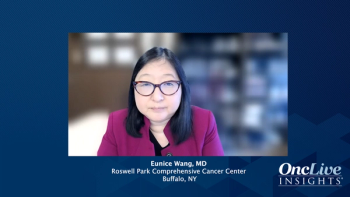
Richard Stone, MD, and Eunice Wang, MD, discuss considerations and challenges related to the administration of venetoclax and azacitidine in the community setting, and share strategies for managing adverse events associated with this combination.

The European Commission has granted a conditional marketing authorization for mosunetuzumab for the treatment of adult patients with relapsed or refractory follicular lymphoma who have previously received at least 2 systemic therapies.

The global biopharmaceutical company Bristol Myers Squibb has announced the withdrawal of a supplemental biologics license application that was seeking the approval of luspatercept-aamt for the treatment of anemia in adults with non–transfusion dependent beta-thalassemia.
Asciminib continued to demonstrate durable, major molecular responses as well as a tolerable safety profile vs bosutinib suggesting a long-term benefit in adult patients with chronic myelogenous leukemia in chronic phase who have been previously treated with 2 tyrosine kinase inhibitors.

Treatment with tafasitamab plus lenalidomide demonstrated trends toward improved overall survival vs systemic regimens across key subgroups of patients with high-risk relapsed or refractory diffuse large B-cell lymphoma who are not eligible for transplant, according to findings from an observational, retrospective analysis of the cohort RE-MIND2 study.

Treatment with lisocabtagene maraleucel resulted in a high rate of durable overall and complete responses as second-line therapy in frail patients with relapsed/refractory large B-cell lymphoma for whom hematopoietic stem cell transplantation was not intended, according to preliminary findings from the phase 2 PILOT study.
The combination of lenalidomide (Revlimid), bortezomib, and dexamethasone (RVd) plus autologous stem cell transplant as initial therapy followed by lenalidomide maintenance demonstrated a significant improvement in progression-free survival vs RVd alone followed by lenalidomide maintenance in patients with newly diagnosed multiple myeloma.

The addition of subcutaneous epcoritamab to treatment with rituximab and lenalidomide resulted in a 100% response rate and a low incidence of low-grade cytokine release syndrome in patients with relapsed/refractory follicular lymphoma, according to findings from arm 2 of the EPCORE NHL-2 trial.
Advertisement
Advertisement
Trending on OncLive
1
Single-Center, Retrospective Data Show Low Rate of Lifileucel Infusion Following Referral in Advanced Melanoma
2
Long-Term Cilta-Cel Data Show Low Rates of PFS Events in Standard-Risk R/R Myeloma
3
Real-World Data Support Clinical Benefit With Lifileucel in Previously Treated Advanced Melanoma
4
Dr Riedell on the Long-Term Efficacy of Tisa-Cel in R/R Follicular Lymphoma
5