



Hematologic Oncology
Latest News
Advertisement
Latest Videos


CME Content





























Advertisement
More News
Subject matter experts in lymphoma reflect on chimeric antigen receptor T-cell therapy clinical trial design.

Frederick Locke, MD, provides an in-depth look at data from 3 clinical trials investigating chimeric antigen receptor T-cell therapy in the second-line treatment of diffuse large B-cell lymphoma.
Cancer experts at the Sylvester Comprehensive Cancer Center: Annual Oncology Update shared important progress across a wide range of cancers — prostate cancer, breast cancer, colon cancer, and more — that was presented at the American Society of Clinical Oncology 2022 Annual Meeting, the largest gathering of cancer clinicians and scientists in the United States.
Expert panelists consider clinical trial data on and personal experience with using eltrombopag, an oral TPO-RA, in immune thrombocytopenia.
A brief discussion of factors that influence selection of oral versus injectable TPO-RA therapy for ITP.
Christine Ryan, MD, discussed the evaluation of safety and efficacy of ibrutinib plus obinutuzumab in patients with relapsed/refractory CLL in the trial and how the results could result in another treatment option for patients with relapsed/refractory CLL.
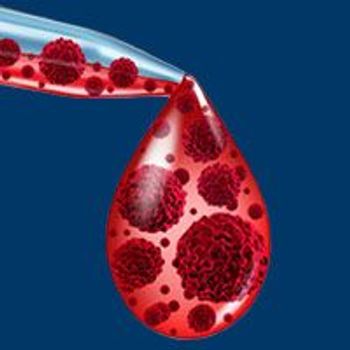
The addition of zilovertamab to ibrutinib will be compared with ibrutinib plus placebo in patients with relapsed/refractory mantle cell lymphoma as part of the phase 3 ZILO-301 trial.
The addition of pembrolizumab to belantamab mafodotin resulted in a higher overall response rate in patients with relapsed/refractory multiple myeloma than what has been observed with the antibody-drug conjugate alone, according to results from the phase 1/2 DREAMM-4 trial.
A panel of hematology experts discuss use of steroids in the first-line setting as well as several subsequent-line treatments that have recently received FDA approval for patients with steroid-refractory chronic GVHD, which affects up to 50% of patients.
Comprehensive discussion on the treatment options available for patients diagnosed with steroid-refractory acute GVHD.
A brief review of the evolving utilization of biomarker testing in acute graft versus host disease, particularly for prognostic evaluation.

Judith Karp, MD, Azra Raza, MD, and Michelle M. Le Beau, PhD, discuss their proudest career accomplishments, including the investigation of potential treatments using a patient’s first cancerous cell, advances in cytogenetics, and a rational design for clinical trials involving cell cytokinetics..

Judith Karp, MD, Azra Raza, MD,, and Michelle M. Le Beau, PhD, discuss how their gender has shaped their professional lives, from working as some of the only female clinical faculty at their institutions to being compared to their male colleagues and denied opportunities when working independently from men.
Optimizing approaches to therapeutic sequencing in relapsed/refractory DLBCL.

Drs Nowakowski and Gordon discuss treatment options after disease relapse on CAR T-cell therapy.
An influx of bispecific T-cell engagers, CAR T-cell therapies, and antibody-drug conjugates have revolutionized the treatment of hematologic malignancies; however, with several options in the sandbox, accessibility and unexplored clinical questions present challenges for optimal integration of these options into treatment.

Most patients with diffuse large B-cell lymphoma do not derive significant benefit from treatment with autologous stem cell transplantation and better therapeutic options are currently available for this population.
Zanubrutinib demonstrated a significant improvement in progression-free survival compared with orelabrutinib in patients with relapsed/refractory chronic lymphocytic leukemia and small lymphocytic lymphoma or mantle cell lymphoma.
Joshua Brody, MD, discusses the significance of CAR T-cell therapies being used in earlier treatment lines in patients with diffuse large B-cell lymphoma who relapse within their first year of receiving chemotherapy.
Christopher R. D’Angelo, MD, discusses emerging therapies in diffuse large B-cell lymphoma.
CAR T-cell therapy, autologous stem cell transplant, and novel agents each have a role to play in the second-line management of patients with primary refractory diffuse large B-cell lymphoma, according to Jason Westin, MD, MS, FACP, and Laurie H. Sehn, MD, MPH.
A pooled analysis of the INSIGHT MM, UVEA-IXA, and REMIX observational studies found that real-world outcomes with ixazomib/lenalidomide/dexamethasone were consistent with those reported in the TOURMAILINE-MM1 study.
Tycel Jovelle Phillips, MD, outlines the reasons why p53-mutated mantle cell lymphoma is difficult to treat and discusses potential future directions for the treatment of this subgroup of patients.
Eltanexor has been granted a fast track designation from the FDA and an orphan medicinal product designation from the European Commission for use as a potential therapeutic option in patients with myelodysplastic syndromes.

The FDA has granted fast track and rare pediatric disease designations to the CAR T-cell therapy WU-CART-007 for the treatment of patients with relapsed/refractory T-cell acute lymphoblastic leukemia and lymphoblastic lymphoma.
Advertisement
Advertisement
Trending on OncLive
1
Long-Term Cilta-Cel Data Show Low Rates of PFS Events in Standard-Risk R/R Myeloma
2
Real-World Data Support Clinical Benefit With Lifileucel in Previously Treated Advanced Melanoma
3
Dr Riedell on the Long-Term Efficacy of Tisa-Cel in R/R Follicular Lymphoma
4
Single-Center, Retrospective Data Show Low Rate of Lifileucel Infusion Following Referral in Advanced Melanoma
5