


Prostate Cancer
Latest News
Advertisement
Latest Videos









CME Content































Advertisement
More News

Stacy Loeb, MD, assistant professor of Urology and Population Health at New York University, discusses the impact of different genomic tests for patients with prostate cancer.

A new drug application has been submitted to the FDA for apalutamide (ARN-509) for the treatment of non-metastatic castration-resistant prostate cancer (CRPC).

Adam Scott Feldman, MD, MPH, urologist at Massachusetts General Hospital, assistant professor of surgery, Harvard Medical School, discusses men with prostate cancer receiving treatment after active surveillance.

Andrew J. Armstrong, MD, discusses emerging treatments and techniques for precision medicine in metastatic castration-resistant prostate cancer.
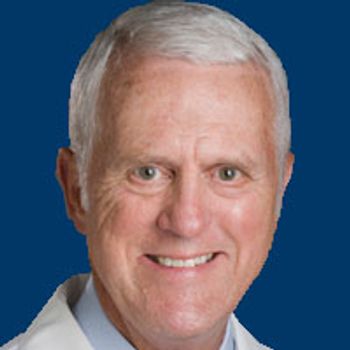
William R. Berry, MD, discusses luteinizing hormone-releasing hormone agonists versus antagonists as treatment options for patients and highlights the novel techniques for prostate cancer imaging.

Tian Zhang, MD, discusses emerging results for patients with metastatic castration-sensitive prostate cancer.

Tian Zhang, MD, a medical instructor in the Department of Medicine, Duke University School of Medicine, discusses the impact of the LATITUDE study in prostate cancer.

Daniel J. George, MD, discusses the major questions practitioners are asking regarding optimizing upfront therapy for patients with mCRPC.

Rahul Aggarwal, MD, assistant professor of Hematology/Oncology, Director of STAND Clinic, UCSF Helen Diller Comprehensive Cancer Center, discusses androgen deprivation therapy for patients with prostate cancer.

Thomas Hope, MD, discusses the novel technique PSMA-PET and how, if approved, it will significantly alter detection of biochemically recurrent prostate cancer.

Charles Ryan, MD, discusses the evolution of zoledronic acid and denosumab, and the future role of radium-223 as it begins to be studied in combination regimens in prostate cancer.
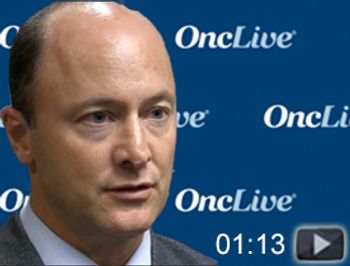
Andrew J. Armstrong, MD, associate professor of medicine and surgery, Department of Medicine, Duke University School of Medicine, discusses precision medicine for patients with metastatic prostate cancer.

Rahul Aggarwal, MD, discussed the success of recent studies of androgen-deprivation therapy in prostate cancer, as well as its future utilization in various stages of disease.

Matthew R. Cooperberg, MD, discusses the benefits associated with active surveillance for patients with low-risk prostate cancer, as well as the development of personalized medicine.
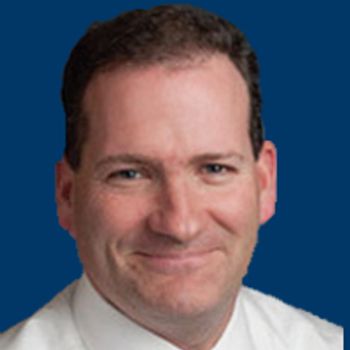
After a median of 10 years’ follow-up, investigators with the ICECaP Working Group have concluded that there is a strong correlation between metastasis-free survival and overall survival in patients with localized prostate cancer.

Although there have improvements in the treatment of men with prostate cancer during the past 15 years, patients with advanced disease continue to pose a clinical challenge.

The FDA has approved a cabazitaxel (Jevtana) regimen of 20 mg/m2 every 3 weeks in combination with prednisone for the treatment of men with metastatic castration-resistant prostate cancer.
A supplemental new drug application has been submitted for abiraterone acetate in combination with prednisone and androgen deprivation therapy for high-risk men with castration-sensitive metastatic prostate cancer.
PROSTVAC with or without GM-CSF was deemed unlikely to demonstrate an improvement in overall survival compared with placebo for patients with asymptomatic or minimally symptomatic metastatic castration-resistant prostate cancer.

Adding enzalutamide to androgen deprivation therapy (ADT) significantly improved metastasis-free survival versus ADT alone in patients with nonmetastatic castration-resistant prostate cancer, according to findings from the phase III PROSPER trial.

Peter Choyke, MD, FACR, chief of Molecular Imaging Program, National Cancer Institute, discusses the importance of multidisciplinary care in prostate cancer.

Jim Hu, MD, MPH, director of the LeFrak Center for Robotic Surgery at Weill Cornell Medicine/NewYork-Presbyterian Hospital and the Ronald Lynch Chair of Urologic Oncology at Weill Cornell Medical College, discusses active surveillance for patients with prostate cancer.
Ipatasertib is being investigated in patients with metastatic castration-resistant prostate cancer as a method of simultaneously blocking a resistance mechanism to hormone therapy and improving responses to abiraterone.

Adam Scott Feldman, MD, MPH, urologist at Massachusetts General Hospital, assistant professor of surgery, Harvard Medical School, discusses a study of active surveillance in younger men with prostate cancer.

Michael Brawer, MD, vice president of medical affairs, Myriad Genetic Laboratories, discusses the results of the Prolaris genetic test in predicting prostate cancer aggressiveness in African-American men.
Advertisement
Advertisement
Trending on OncLive
1
Single-Center, Retrospective Data Show Low Rate of Lifileucel Infusion Following Referral in Advanced Melanoma
2
Long-Term Cilta-Cel Data Show Low Rates of PFS Events in Standard-Risk R/R Myeloma
3
Real-World Data Support Clinical Benefit With Lifileucel in Previously Treated Advanced Melanoma
4
Dr Riedell on the Long-Term Efficacy of Tisa-Cel in R/R Follicular Lymphoma
5