





Prostate Cancer
Latest News
Advertisement
Latest Videos




CME Content

































Advertisement
More News



Andrew Stephenson, MD, discusses some of the past and current data demonstrating the benefits of active surveillance for patients with localized prostate cancer and the evolving opinions on PSA screening.

Andrew Vickers, PhD, attending research methodologist at Memorial Sloan Kettering Cancer Center, discusses some potential uses of MRI testing for patients with prostate cancer.

Andrew Stephenson, MD, director of Urologic Oncology, Cleveland Clinic, discusses the impact of active surveillance on the field of prostate cancer.

Neeraj Agarwal, MD, associate professor, Division of Oncology, Department of Medicine, University of Utah School of Medicine, Huntsman Cancer Institute, discusses the STAMPEDE and LATITUDE trials for patients with prostate cancer.
Based on results of a feasibility study, researchers in the United Kingdom have decided to move forward with a full randomized controlled trial comparing partial prostate ablation with radical prostatectomy in patients with intermediate-risk prostate cancer.

Results of an investigation indicate that resistance to docetaxel and cabazitaxel (Jevtana) in patients with castration-resistant prostate cancer is mediated by a common mechanism, overexpression of the ABCB1 gene.

As manufacturers charge increasingly higher prices for new therapies and even well-established agents, payers have responded with pressure on practices to justify every cost, and Urology Clinics of North Texas, like many other independent practices, is caught in the middle.
A recent nationally representative study published in JAMA Internal Medicine found that previously reported declines in prostate-specific antigen testing have not continued in recent years, and that approximately one-third of men age 50 years or older still receive routine PSA tests.
Kim Chi, MD, associate director of clinical research, Vancouver Prostate Centre, professor, Department of Medicine, University of British Columbia, discusses androgen deprivation therapy (ADT) with abiraterone acetate (Zytiga) plus prednisone or placebo in patients with high-risk metastatic hormone-naïve prostate cancer.

Although the past few months have seen several androgen receptor resistance, and described drug approvals for bladder cancer therapies, a wealth of research also is moving the field of prostate cancer forward, since gaining a better understanding of the disease is the best way to find out how to optimally treat—and perhaps ultimately cure—prostate cancer.
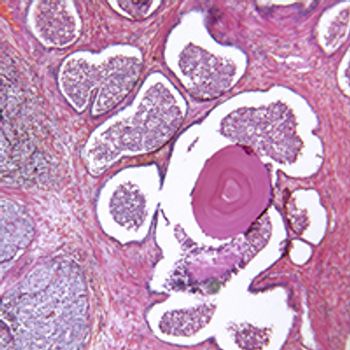
The addition of external beam radiation therapy to ADT reduced the risk of disease progression more than 70% compared with ADT alone among patients with locally advanced prostate cancer.

Radical prostatectomy does not significantly reduce all-cause or prostate cancer mortality compared with observation through nearly 20 years, according to the results from the phase III PIVOT trial.
Advertisement
Advertisement
Trending on OncLive
1
Single-Center, Retrospective Data Show Low Rate of Lifileucel Infusion Following Referral in Advanced Melanoma
2
Outcomes With Bridging Therapy Correlate With Cilta-Cel Efficacy, Safety in Multiple Myeloma
3
Real-World Data Support Clinical Benefit With Lifileucel in Previously Treated Advanced Melanoma
4
Long-Term Cilta-Cel Data Show Low Rates of PFS Events in Standard-Risk R/R Myeloma
5