

Paul A. Bunn Jr, MD, highlights the benefits of preoperative window-of-opportunity studies, specifically with immunotherapy in lung cancer.

Your AI-Trained Oncology Knowledge Connection!
Paul A. Bunn Jr, MD, highlights the benefits of preoperative window-of-opportunity studies, specifically with immunotherapy in lung cancer.
Optimizing the methods for preclinical research with an emphasis on patient-derived models, may help speed up the translation of new treatment advances from the laboratory to the clinic.

Patients with high-risk relapsed/refractory chronic lymphocytic leukemia who failed or were intolerant of ibrutinib derived more benefit from CD19‐targeted CAR T-cell therapy when the BTK inhibitor was concurrently administered than when it was not.
Tanya Siddiqi, MD, a hematologist/oncologist at City of Hope, discusses the phase I/II TRANSCEND CLL 004 trial, which evaluated the efficacy of anti-CD19 CAR T cells in patients with relapsed/refractory chronic lymphocytic leukemia or small lymphocytic lymphoma.
Nearly three-fourths of patients with relapsed/refractory primary mediastinal large B-cell lymphoma responded to a combination of nivolumab (Opdivo) plus brentuximab vedotin (Adcetris).
The CAR T-cell therapy lisocabtagene maraleucel demonstrated high rates of response, including minimum residual disease in blood and marrow in patients with relapsed/refractory chronic lymphocytic leukemia or small lymphocytic lymphoma.
S. Vincent Rajkumar, MD, discusses the rapidly changing landscape for the treatment of multiple myeloma, the future of immunomodulatory drugs, and whether quadruplet regimens will become more frequent.
Yuqin Song, MD, PhD, chief physician and deputy director of the Lymphoma Department at Peking University Cancer Hospital, Beijing, China, discusses the updated data from the phase II trial evaluating the efficacy of zanubrutinib (BGB-3111-206) in patients with relapsed/refractory mantle cell lymphoma.
Acalabrutinib elicited high rates of response as well as prolonged survival and was well tolerated in patients with chronic lymphocytic leukemia who demonstrated intolerance to ibrutinib.
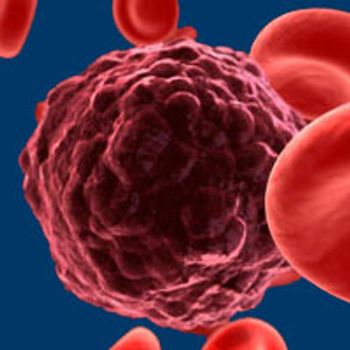
In a careful evaluation of chemotherapy‐free regimens, the combination of obinutuzumab plus venetoclax compared to obinutuzumab plus chlorambucil, objective and complete response rates, as well as progression-free survival were superior with the venetoclax combination in the overall study population and across all genetic subgroups evaluated in patients with chronic lymphocytic lymphoma.

The phase III ASCEND trial is only one of the pivotal trials that have presented data to suggest that acalabrutinib (Calquence) could see an FDA approval for the frontline treatment of patients with chronic lymphocytic leukemia.
Pieternella J. Lugtenburg, MD, PhD, an internist and hematologist at Erasmus Medical Center in Rottenham, Netherlands, discusses the use of rituximab as maintenance therapy in patients with diffuse large B-cell lymphoma.
S. Vincent Rajkumar, a professor of Medicine at the Mayo Clinic, Rochester, Minnesota, discusses the prevalence of quadruplet regimens in treating patients with multiple myeloma.

Jennifer R. Brown, MD, PhD, highlights the new and upcoming research regarding acalabrutinib in the field of chronic lymphocytic leukemia.
Patients with activated B-cell-type diffuse large B-cell lymphoma with a poor prognosis may benefit from frontline treatment with lenalidomide plus standard R-CHOP, according to subgroup data from the phase III ROBUST trial presented at the 2019 International Conference on Malignant Lymphoma.
Matthew S. Davids, MD, MMSc, associate director, Center for Lymphocytic Leukemia, physician, Dana-Farber Cancer Institute, and assistant professor of medicine, Harvard Medical School, discusses the use of the BCL‐2 inhibitor, venetoclax (Venclexta) with dose-adjusted infused etoposide, doxorubicin, and cyclophosphamide with vincristine, prednisone, and rituximab (R-EPOCH) to treat patients with Richter
Julia M. Vose, MD, professor and chief in the Division of Oncology/Hematology at University of Nebraska Medical Center discusses the rationale for the phase I/II trial of acalabrutinib (Calquence) plus pembrolizumab (Keytruda) in relapsed/refractory diffuse large B-cell lymphoma (DLBCL).
Maintenance therapy with rituximab did not lead to an improvement in disease-free survival among patients who achieved complete remission following 4 cycles of R-CHOP.

Among the most highly anticipated study results to be presented during the 2019 European Hematology Association Congress were those of the phase III ASCEND trial, which investigated the use of acalabrutinib monotherapy in patients with previously-treated chronic lymphocytic leukemia.
Ibrutinib monotherapy significantly improved event- and progression-free survival compared with placebo in treatment-naïve patients with early-stage, asymptomatic chronic lymphocytic leukemia.
Despite promising progression-free survival and response data with venetoclax in combination with bortezomib and dexamethasone, an increased number of deaths due to infection in the experimental arm marred overall survival findings in patients with relapsed/refractory multiple myeloma.

Susan M. O’Brien, MD, associate director for Clinical Services, Chao Family Comprehensive Cancer Center, University of California Irvine Medical Center, discusses the phase III ASCEND trial in chronic lymphocytic leukemia.
Hu5F9-G4 (5F9), a first-in-class antibody targeting CD47, used as monotherapy or in combination with standard azacitidine was well tolerated and provided deep and durable responses in patients with acute myeloid leukemia or myelodysplastic syndrome, according to findings from a phase IB study presented at the 2019 European Hematology Association Congress.
Gail Roboz, MD, a professor of medicine and director of the Clinical and Translational Leukemia Program at Weill Cornell MedicineNewYork-Presbyterian Hospital, discusses the QuANTUM-R trial, which evaluated quizartinib versus chemotherapy in patients with relapsed/refractory FLT3-mutant acute myeloid leukemia.
Alessandra Tedeschi MD, Department of Hematology, Azienda Ospedaliera Niguarda Ca' Granda in Milan, Italy, discusses the long-term findings of the phase III RESONATE-2 trial during the 2019 European Hematology Association Congress.

Othman Al-Sawaf, MD, discusses findings from the CLL14 trial, the rationale for exploring this proposed combination, and shares his thoughts on the emerging treatment paradigms in chronic lymphocytic leukemia.

The combination of rigosertib and azacitidine demonstrated improved response rates over single-agent azacitidine in patients with higher-risk myelodysplastic syndrome, including patients naïve to a hypomethylating (HMA) agent and those who were refractory to HMAs.

Naval G. Daver, MD, discusses the data that support quizartinib so far, ongoing investigations with this drug in the frontline setting, and the potential for the agent to be approved by the FDA.

Frontline therapy with ibrutinib was successfully administered for more than 60 months in patients with chronic lymphocytic leukemia aged 65 years and older and provided improved progression-free and overall survival compared with chlorambucil.
Imetelstat treatment may allow patients with debilitating anemia due to myelodysplastic syndrome to remain transfusion-free for extended periods of time.