
Patients with advanced prostate cancer who initiated treatment with relugolix indicated various treatment preferences and reasons for therapy initiation.

Your AI-Trained Oncology Knowledge Connection!
Patients with advanced prostate cancer who initiated treatment with relugolix indicated various treatment preferences and reasons for therapy initiation.
Adherence rates improved the longer patients with metastatic and nonmetastatic prostate cancer received relugolix for a high overall adherence rate.
Axel Merseburger, MD, PhD, discusses the real-world efficacy and safety of first-line avelumab plus axitinib in advanced renal cell carcinoma.
Shilpa Gupta, MD, discusses updated data with enfortumab vedotin plus pembrolizumab in previously untreated urothelial carcinoma.
Ide-cel proved feasible and effective in boosting response in patients with myeloma with suboptimal response to standard frontline therapy.

Non-myeloablative HSCT with TLI/TBI/ATG conditioning was safe and active in eliciting immune quiescence and tolerance.
CD4-, FOXP3-, and Helios-positive conventional T cells were increased in patients receiving Orca-T vs peripheral blood stem cell grafts.

Monzr Al Malki, MD and Jeffery J. Auletta, MD discuss evaluating PTCy-based GVHD prophylaxis in hematologic malignancies.
No significant differences in PROs were shown between the tivozanib/nivolumab and tivozanib monotherapy arms in patients with advanced clear cell RCC.
Nivolumab in combination with cabozantinib displayed a long-term PFS benefit in patients with treatment-naive advanced RCC.
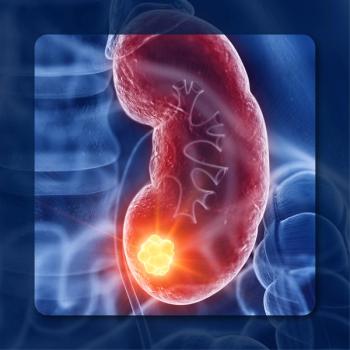
CBM588 plus cabozantinib and nivolumab shows early efficacy in metastatic renal cell carcinoma.
Efficacy results remained consistent with previous reports in the cabozantinib, nivolumab, and ipilimumab arm for patients with advanced renal cell carcinoma.
The combination of first-line avelumab and axitinib was effective and safe in a real-world analysis of patients with advanced RCC.
Updated results further supported the feasibility of VEGFR TKI interruption and immunotherapy maintenance in advanced renal cell carcinoma.

Neoadjuvant lenvatinib plus pembrolizumab followed by adjuvant pembrolizumab was safe and effective in patients with locally advanced, nonmetastatic ccRCC.
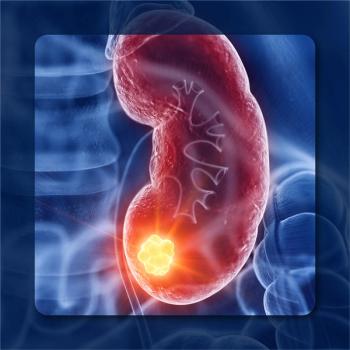
Greater responses were observed in a cohort of patients with renal cell carcinoma receiving lenvatinib plus belzutifan vs pembrolizumab plus lenvatinib.
An ER model analysis showed that 1.34 mg of tivozanib provided a greater decrease in tumor size and may be more tolerable than an 0.89-mg dose in RCC.

Orca-T improved OS vs post-transplant cyclophosphamide in a retrospective analysis of patients with hematologic malignancies.
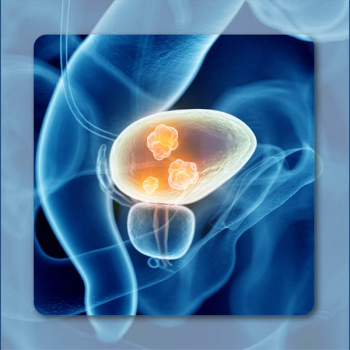
Data spotlighted that the addition of perioperative durvalumab to radical cystectomy and adjuvant chemotherapy improved outcomes in MIBC.

Dato-DXd generated durable responses and produced no new safety signals in patients with heavily pretreated, locally advanced/metastatic urothelial cancer.

Enfortumab vedotin plus pembrolizumab maintains compelling benefit over chemotherapy in untreated locally advanced or metastatic urothelial cancer.

One-year follow-up data from an ongoing phase 1 study showed that Orca-Q offered similar benefits as T-cell depletion, without the typical compromises seen.
Avelumab first-line maintenance improved survival outcomes in advanced urothelial carcinoma, regardless of diabetes status.
MRD-negative remissions with obe-cel were more durable and associated with higher EFS and OS rates vs MRD-positive remissions in relapsed/refractory B-ALL.
Axatilimab displayed similar efficacy regardless of the number of prior lines of therapy in chronic graft-versus-host disease.
UGN-102 generated robust, durable responses in patients with low-grade, intermediate-risk NMIBC, in analyses of the phase 3 ENVISION and ATLAS studies.

Laurence Albigès, MD, PhD discusses final OS data and biomarker analyses with cabozantinib plus nivolumab and ipilimumab in intermediate- or poor-risk RCC.
Orca-T with reduced-intensity conditioning displayed robust and early donor myeloid and T-cell engraftment in advanced hematologic malignancies.
Enfortumab vedotin, both as monotherapy and in combination with pembrolizumab, demonstrated clinical activity in patients with UTUC lesions.