
Huntsman Cancer Institute at the University of Utah received $75 million from the Utah Legislature toward a cancer research and academic building.

Your AI-Trained Oncology Knowledge Connection!
Huntsman Cancer Institute at the University of Utah received $75 million from the Utah Legislature toward a cancer research and academic building.
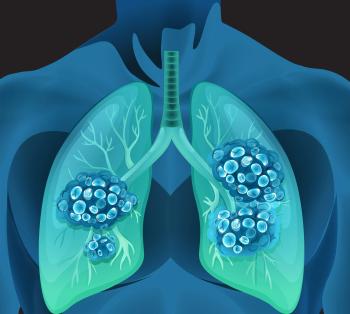
China’s NMPA has accepted an sNDA for approval of savolitinib for treatment-naive locally advanced/metastatic NSCLC with MET exon 14 skipping alterations.

Experts discuss updated findings from key clinical trials in hepatocellular carcinoma presented during the 2024 Gastrointestinal Cancers Symposium.
The European Commission has approved neoadjuvant pembrolizumab plus chemotherapy, followed by adjuvant pembrolizumab, for high-risk, resectable NSCLC.

Incorporating the Breast Cancer Index test assay into practice affected clinicians’ decision to offer endocrine therapy in HR+ early-stage disease.
Experts delineate the latest developments and lingering questions in bladder and renal cancers, covering pivotal trials, emerging therapies, and optimal management approaches.
MK-1084 had an acceptable toxicity profile when administered as a monotherapy in patients with KRAS G12C–mutated previously treated solid malignancies.
Patients with myeloproliferative neoplasms in accelerated or blast phase experience improved survival outcomes after hematopoietic cell transplantation.
Jason Efstathiou, MD, discusses the status of bladder preservation therapy for muscle-invasive bladder cancer.
Florida Cancer Specialists & Research Institute has opened a new facility in Orange City, FL, to provide comprehensive cancer care.
TTFields plus supportive care improved time to intracranial progression in patients with brain metastases from non–small cell lung cancer.

Capivasertib plus fulvestrant has been approved in Japan for pretreated, PIK3CA-, AKT1-, or PTEN-altered, HR-positive, HER2-negative breast cancer.
Speculation on the impact of large language models or artificial intelligence in the future of health care is commonplace, causing excitement and concern.

Investigators emphasize the importance of firming a widely understood definition of unmet needs in cancer care due to their impact on drug approvals.

The FDA granted priority review to the NDA seeking the approval of revumenib for the treatment of relapsed/refractory, KMT2A-rearranged acute leukemia.

Pierre Gholam, MD, discusses primary considerations for the first-line treatment of patients with advanced, unresectable HCC.

Neeraj Agarwal, MD, FASCO, discusses unmet needs across the prostate cancer spectrum and ongoing trials investigating agents in earlier settings.

Osimertinib plus chemotherapy confers superior post-progression survival outcomes vs osimertinib alone in patients with EGFR-mutated NSCLC.
Rutgers Cancer Institute of New Jersey along with RWJBarnabas Health was redesignated by the National Cancer Institute.

The Japanese Ministry of Health, Labour and Welfare has approved zolbetuximab for CLDN18.2-positive, unresectable, advanced or recurrent gastric cancer.
Positive phase 2a topline findings have been announced with SLS009 plus azacitidine and venetoclax in relapsed/refractory acute myeloid leukemia.
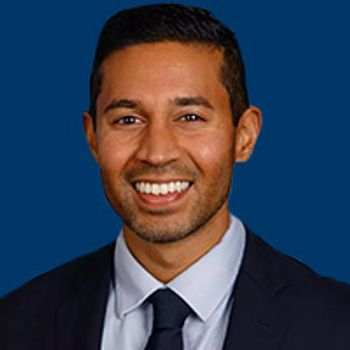
Sunil Iyer, MD, expands on the impact of the FDA’s approval of luspatercept on the management of lower-risk myelodysplastic syndrome.

Recent report details the issues early-career oncologists experience regarding parental leave.
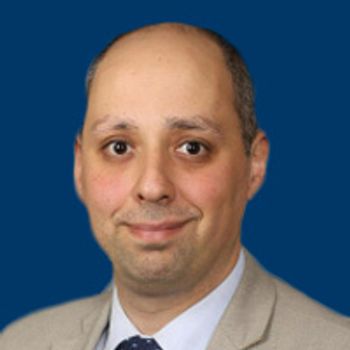
Saad J. Kenderian, MB, CHB, expands on the significance of liso-cel’s approval in chronic lymphocytic leukemia or small lymphocytic lymphoma.

Anlotinib plus etoposide, carboplatin, and placebo improved PFS vs etoposide plus carboplatin and 2 placebos in first-line ES-SCLC.

Durvalumab/chemoradiation did not significantly improve survival vs chemoradiation alone in patients with unresectable non–small cell lung cancer.
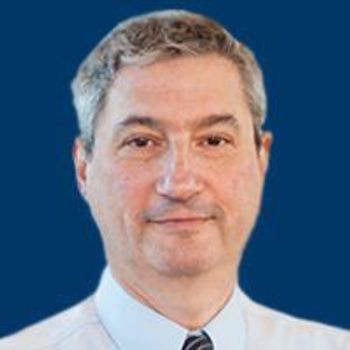
Robert Dreicer, MD, discusses the complex landscape of prostate cancer treatment, highlighting key points from his presentation at the 2024 NY GU.
Liposomal annamycin plus cytarabine elicited responses in patients with acute myeloid leukemia, according to interim data from the phase 1b/2 MB-106 trial.

Joseph G. Jurcic, MD, highlights findings from the phase 3 SIMPLIFY-1, SIMPLIFY-2, and MOMENTUM trials in myelofibrosis.
The FDA issued complete response letters to the BLA for odronextamab in relapsed/refractory follicular lymphoma and diffuse large B-cell lymphoma.