
A CAR T-cell therapy directed toward 2 brain tumor–associated proteins displayed preliminary activity in recurrent glioblastoma.

Your AI-Trained Oncology Knowledge Connection!
A CAR T-cell therapy directed toward 2 brain tumor–associated proteins displayed preliminary activity in recurrent glioblastoma.
We consider artificial intelligence hype vs reality, focusing on predictive modeling to answer medical questions about diagnosis, treatment choice, etc.
Elisabeth I. Heath, MD, FACP, discusses what makes NECTIN-4 an attractive target in drug development and the significance of the EV-302/KEYNOTE-A39 trial findings.
Francine Brinkhuis, MSc, and Lourens T. Bloem, PharmD, MSc, highlight findings from an analysis of the benefit and revenue for EU-approved oncology drugs.
The TakeAim Leukemia trial aims to add emavusertib to the treatment paradigm of acute myeloid leukemia and high-risk myelodysplastic syndrome.
Sebastien Stintzing, MD, discusses a Q-TWiST analysis for fruquintinib vs placebo in pretreated metastatic colorectal cancer.

TNO155 plus spartalizumab or ribociclib was well tolerated and demonstrated disease control in patients with advanced solid tumors.
The University of Chicago Medicine treats patients with histotripsy, a technology that uses ultrasound energy to destroy liver tumors.
TERN-701 has received orphan drug designation from the FDA for the treatment of patients with chronic myeloid leukemia.
Brentuximab vedotin/lenalidomide/rituximab led to an OS improvement vs lenalidomide/rituximab/placebo in relapsed/refractory diffuse large B-cell lymphoma.
A high rate of disease control was seen with the novel MDM2 inhibitor APG-115-alrizomadlin in patients with p53 wild-type salivary gland cancer.
Andrea Porpiglia, MD, MSc, FACS, and Sanjay Reddy, MD, FACS describe what makes the Complex General Surgical Oncology Fellowship at Fox Chase unique.
Susan C. Modesitt, MD, FACOG, FACS, sheds light on the latest research with antibody-drug conjugates across gynecologic cancers.
A high proportion of patients with metastatic solid tumors experienced stable disease following treatment with the immunocytokine in the DODEKA trial.
Arndt Vogel, MD, discusses the importance of multidisciplinary tumor boards in navigating the treatment arsenal in advanced hepatocellular carcinoma.
Gautam Jha, MD, and Emmanuel Antonarakis, MD, discuss the ins and outs of clinical trial partnerships between community and academic cancer centers.

It is often said that one person can make a difference, but it is also evident that when we band together, we can achieve greatness.
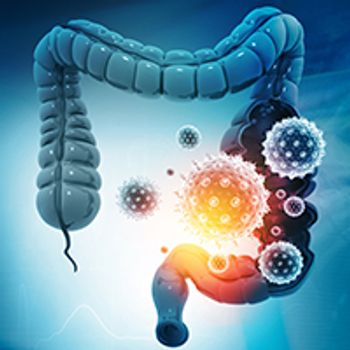
Tinengotinib has been awarded orphan drug designation from the European Medicines Agency for use in select patients with biliary tract cancer.

The FDA has lifted a partial clinical hold on a phase 1 trial evaluating NX-2127 in relapsed/refractory B-cell malignancies
Jill Gilbert, MD, explains how publications must evolve to utilize modern educational platforms to reach readers.

Neel P. Chudgar, MD, discusses the nuances of defining resectability in patients with non–small cell lung cancer.
Neal Shore, MD, FACS, discusses findings from clinical trials in patients with prostate cancer who experience biochemical recurrence.
Maha Hussain, MD, FACP, FASCO, discusses clinical trials evaluating therapeutics for patients with metastatic castrate-resistant prostate cancer.
Heather McArthur, MD, MPH, discusses the prognostic benefits of circulating tumor DNA and limitations that prevent these results from being predictive.
Bernard H. Bochner, MD, FACS, discusses considerations for community oncologists when treating patients with muscle-invasive bladder cancer.
Wenxin (Vincent) Xu, MD, discusses the factors he takes into account when sequencing treatment options for patients with metastatic renal cell carcinoma.
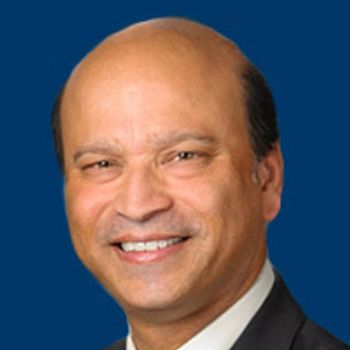
Debu Tripathy, MD, provides insights on the management of HER2-positive breast cancer, including the evolving role of trastuzumab in this population.

Peter A. Humphrey, MD, PhD, presents on the standing of artificial intelligence in prostate cancer pathology.
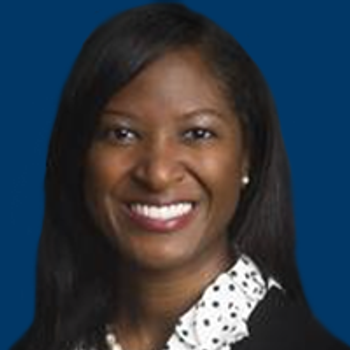
Erica Stringer-Reasor, MD, highlights the evolution of therapies for patients with hormone receptor–positive, HER2-negative metastatic breast cancer.
The FDA's Medical Imaging Drugs Advisory Committee voted 16 to 2 in support of the benefit-risk profile of Lumisight.