
Luspatercept-aamt led to a higher rate of sustained transfusion independence compared with erythropoiesis stimulating agents in patients with ESA-naïve, lower-risk myelodysplastic syndrome.

Your AI-Trained Oncology Knowledge Connection!
Luspatercept-aamt led to a higher rate of sustained transfusion independence compared with erythropoiesis stimulating agents in patients with ESA-naïve, lower-risk myelodysplastic syndrome.

Minimally invasive distal pancreatectomy was found to be a safe and effective alternative to that of open distal pancreatectomy in patients with resectable pancreatic cancer, confirmed by a noninferior radical resection rate, lymph node yield, and comparable survival data.

Eileen O’Reilly, MD, and Benjamin Weinberg, MD, discuss the importance of conducting biomarker testing as the gastrointestinal cancer treatment arena continues to evolve, the need for increased gene fusion testing, and the negative effects of inadequate biomarker testing in the gastrointestinal cancer population.

Northwestern Medicine scientists report results of the first in-human clinical trial in which they used a novel, skull-implantable ultrasound device to open the blood-brain barrier and repeatedly permeate large, critical regions of the human brain to deliver chemotherapy that was injected intravenously.
The National Comprehensive Cancer Network Guidelines now recommend the use of 18F-Fluorestradiol positron emission tomography in certain circumstances during the systemic staging workup for patients with recurrent or metastatic for estrogen receptor–positive breast cancer.

Bhavana Pothuri, MD, expands on challenges that still need to be addressed for the treatment of patients with endometrial cancer, highlights potential practice-changing data from the phase 3 NRG-GY018 and RUBY trials, details the evolving role of PARP inhibitors for patients with ovarian cancer, and touches on key emerging data from trials for patients with cervical cancer.

The combination of sitravatinib and nivolumab did not meet the primary end point of overall survival compared with docetaxel as second- or third-line treatment for patients with advanced nonsquamous non–small cell lung cancer who progressed on prior chemotherapy and immune checkpoint inhibitor therapy.

As improved cancer therapies are helping patients live longer, the safe and effective management of lung cancer brain metastases is coming to the fore.

Yiming Wu, PhD, discusses the rationale for studying splicing defects in patients with chronic lymphocytic leukemia without spliceosome mutations, shared key findings from this study, and emphasized how these findings support further research with METTL3 in chronic lymphocytic leukemia and other hematologic malignancies with RNA splicing dysregulation.
Gastrointestinal oncology experts discuss current strategies and novel developments in gastrointestinal cancers, the role of intestinal dysbiosis and gastrointestinal carcinogenesis, germline genetic features in appendiceal cancer, and the need for anticipatory, multidisciplinary guidance in clinical practice.
R. Kate Kelley, MD, details the ongoing investigation of RLY-4008 for patients with advanced cholangiocarcinoma harboring FGFR2 fusions or rearrangements, other ongoing investigations in cholangiocarcinoma, and the importance of molecular testing to drive treatment decisions in this population.

Yale Cancer Center and Smilow Cancer Hospital scientists and clinicians will present new research at the 2023 Annual Meeting of the American Society of Clinical Oncology, June 2nd to June 6th at McCormick Place in Chicago, Illinois.

Voruciclib monotherapy and in combination with venetoclax demonstrated clinical activity and was well tolerated with no significant myelosuppression in heavily pretreated patients with relapsed/refractory acute myeloid leukemia or B-cell malignancies, according to initial data from a phase 1 trial.

The National Comprehensive Cancer Network Clinical Practice Guidelines in Oncology have been revised to include ropeginterferon alfa-2b-njft as a preferred treatment option for patients with high- and low-risk polycythemia vera, irrespective of treatment history.

CLDN18.2 has become a promising target for the treatment of patients with digestive malignancies, such as gastric cancer, gastroesophageal junction cancer, esophageal cancer, and pancreatic cancer, because of its limited expression in healthy tissues and abnormal overexpression in a range of malignancies.

Ilyas Sahin, MD, details the preclinical findings from the study and highlighted how these data could help inform future studies for the treatment of patients with MDM2-overexpressing solid tumors.

Ribociclib plus switch endocrine therapy induced a statistically significant progression-free survival benefit compared with placebo plus switch endocrine therapy in patients with hormone receptor–positive, HER2-negative, metastatic breast cancer.

The National Medical Products Administration has accepted the supplemental new drug application seeking the approval of toripalimab in combination with nab-paclitaxel in patients with untreated metastatic or recurrent triple-negative breast cancer and a PD-L1 combined positive score of at least 1.

Young investigators, fellows, and medical students recently gathered at the Temple University Lewis Katz School of Medicine in Philadelphia, Pennsylvania, to network and share exciting research aimed at addressing disparities in the dissemination of cancer care at the 5th Annual Regional Synergistic Partnership for Enhancing Equity in Cancer Health Conference and Retreat.

Xingming Zhang, MD, discusses unmet needs in fumarate hydratase–deficient renal cell carcinoma; shares key efficacy, safety, and quality of life findings from a phase 2 trial of sintilimab plus axitinib; and elaborates on the next steps for this research, including an analysis of biomarkers and potential resistance mechanisms.

For the second time at Northwestern Medicine, surgeons have successfully performed a double-lung transplant on a patient with stage 4 lung cancer who was being considered for hospice.

The FDA has granted priority review to a new drug application seeking the approval of the optical imaging agent Lumisight for use in patients with breast cancer, according to an announcement from Lumicell, Inc.
Amanda Bloomer, PhD, highlights the growing need for more research for this growing patient population and the age-specific findings that were seen in the ColoCare trial.

As longer-term data read out for established regimens in urothelial cancer and up-and-coming therapeutics inch toward approval, optimizing treatment approaches relies on buy-in from multidisciplinary teams and patients.

The National Institute for Health and Care Excellence has recommended the combination of pembrolizumab and lenvatinib for use in previously treated patients with advanced or recurrent endometrial cancer whose cancer has progressed on or after platinum-based chemotherapy and who cannot have curative surgery or radiotherapy.

The FDA has approved avapritinib (Ayvakit) for the treatment of adults with indolent systemic mastocytosis.

Faculty from an OncLive® Institutional Perspectives in Cancer webinar on multiple myeloma summarize the main messages from their presentations.

The FDA has granted an orphan drug designation to mitazalimab for use as a potential therapeutic option in patients with pancreatic cancer.

The combination of GEN-002 and avelumab elicited responses in patients with advanced gastric or gastroesophageal junction adenocarcinoma, according to findings from an interim analysis of an ongoing phase 2 trial.
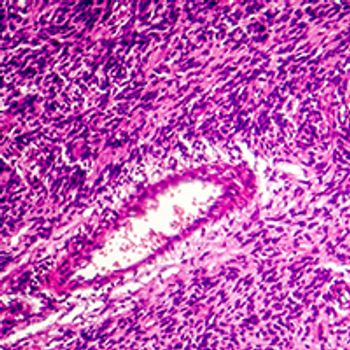
Treatment with milademetan did not lead to a statistically significant improvement in progression-free survival compared with trabectedin in patients with dedifferentiated liposarcoma, failing to reach the primary end point of the phase 3 MANTRA trial.