
During his career, David M. Gershenson, MD, has helped turn ovarian cancer treatment into an evidence-based field and built better therapies through an improved biological understanding of the disease.

Your AI-Trained Oncology Knowledge Connection!
During his career, David M. Gershenson, MD, has helped turn ovarian cancer treatment into an evidence-based field and built better therapies through an improved biological understanding of the disease.

Patient history and disease characteristics did not affect outcomes for patients with metastatic HER2-low breast cancer who received fam-trastuzumab deruxtecan-nxki in the DESTINY-Breast04 study.
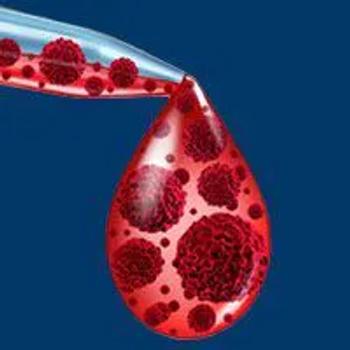
LP-284 showed superior antitumor activity compared with LP-184 independent of PTGR1 expression levels in DNA damage repair–deficient mantle cell lymphoma cell lines.
Caroline Billingsley, MD, discusses the effect of mirvetuximab soravtansine’s approval on the treatment landscape in ovarian cancer and avenues for future research with antibody-drug conjugates and immunotherapy in this space.

A teenage injury cost him a career among the stars, so John F. DiPersio, MD, PhD, became a star hematologist/oncologist instead.
Robert Lawrence Randall, MD, FACS, discussed the role of biological reconstructions as well as factors that determine whether a patient would benefit more from the reconstructions or traditional prosthetics known as endoprosthetics.
Olverembatinib demonstrated sustained efficacy and reduced toxicity with longer follow-up in patients with TKI-resistant, T315I-mutant chronic myeloid leukemia in chronic phase and accelerated phase.
Guillermo Garcia-Manero, MD, discusses the exploration of these doublet therapies and what they could mean for the high-risk myelodysplastic syndromes treatment landscape, the difficulties in making strides for patients with relapsed/refractory disease, and the top highlights in myelodysplastic syndromes from the 2022 ASH Annual Meeting.
Michelle Shiller, DO, AP/CP, MGP, discusses the evolving role of HER2 as a biomarker for the treatment of patients with breast cancer and the impact of findings from the DESTINY-Breast02, DESTINY-Breast03, and DESTINY-Breast04 trials on the HER2 testing landscape.
Florida Cancer Specialists & Research Institute, LLC takes exception to a recent study published in the New England Journal of Medicine suggesting that colonoscopies are not as effective at preventing colorectal cancer deaths as previously thought.
Richard D. Carvajal, MD, discusses the implications of the FDA approval of tebentafusp in uveal melanoma, the possibility of exploring tebentafusp in other HLA subtypes, and other areas of intriguing research in uveal melanoma.
Japan’s Ministry of Health, Labor and Welfare has approved axicabtagene ciloleucel for the initial treatment of patients with relapsed/refractory large B-cell lymphoma, including diffuse large B-cell lymphoma, primary mediastinal large B-cell lymphoma, transformed follicular lymphoma, and high-grade B-cell lymphoma.
Lisaftoclax alone or in combination with acalabrutinib or rituximab was active across a range of doses and displayed a tolerable safety profile in patients with relapsed/refractory and treatment-naïve chronic lymphocytic leukemia and small lymphocytic lymphoma.

The FDA has approved mosunetuzumab-axgb (Lunsumio) for the treatment of adult patients with relapsed or refractory follicular lymphoma after 2 or more lines of systemic therapy.

The combination of domvanalimab plus zimberelimab with or without etrumadenant generated an improvement in overall response rate and progression-free survival compared with zimberelimab alone in patients with PD-L1–high metastatic non–small cell lung cancer, according to findings from the phase 2 ARC-7 trial.
Lauren Ritterhouse, MD, PhD, discusses next-generation sequencing testing platforms and the importance of establishing processes for tissue collection in non–small cell lung cancer.
The FDA’s accelerated approval of adagrasib for adult patients with KRAS G12C–mutated locally advanced or metastatic non–small cell lung cancer who have received at least 1 prior systemic therapy has provided a second KRAS G12C inhibitor option for patients.
Edward J. Pearson, MD, and colleagues, discuss the expanded role of targeted therapies in the treatment of patients with hematologic malignancies.
As patients with cancer increasingly receive treatment in community hospitals and clinics and many such centers experience a shortage of oncologists, a group of physicians at Dana-Farber Cancer Institute, Beth Israel Deaconess Medical Center, and Harvard Medical School has proposed the first-ever training blueprint for oncologists planning careers in a community or academic-community setting.

The FDA has granted a breakthrough therapy designation to adagrasib plus cetuximab in patients with KRAS G12C–mutated, advanced colorectal cancer whose cancer has progressed following prior treatment with chemotherapy and an anti-VEGF therapy.
Clinical trials demand extreme rigor. A mistake in trial design, like a bookkeeping error, can lead regulators to reject a potentially valuable drug. Many researchers dislike this intense focus on dotting i’s and crossing t’s. Omid Hamid, MD, enjoys the challenge.
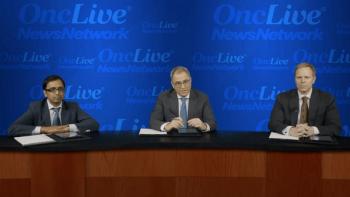
The panel shares insight as to which patients might be candidates for curative therapies such as embolization techniques and liver transplant.
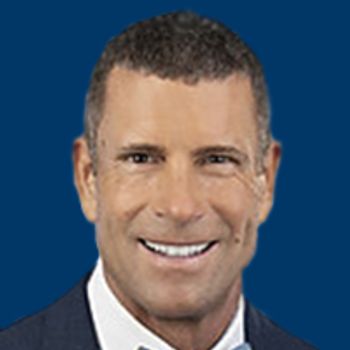
R. Lor Randall, MD, FACS, discusses the significance of addition of surgery to radiation therapy led to improved local control compared with radiation therapy alone in patients with localized pelvic Ewing Sarcoma.
Ghassan Abou-Alfa, MD leads Robert Lewandowski, MD, FSIR, and Amit Singal, MD in a discussion of the main risk factors for hepatocellular carcinoma.
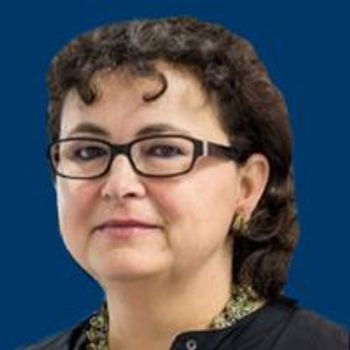
The regimen of lenalidomide in combination with rituximab with bendamustine are effective therapies for relapsed/refractory follicular lymphoma, with high rates of overall and complete metabolic response by PET, according to data from the randomized phase 2 HOVON110/Rebel trial.

Updated results from the phase 3 GIM 2 study confirm previous findings showing that fluorouracil should not be a part of adjuvant chemotherapy for patients with high-risk early breast cancer.
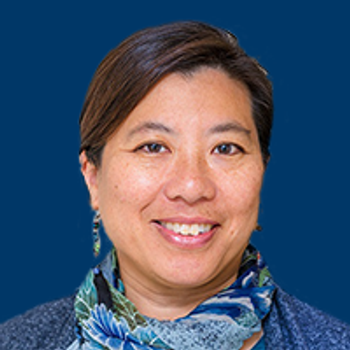
In a new study, scientists reveal for the first time the genomic differences between chronic lymphocytic leukemia and Richter's, the molecular pathways by which Richter's emerges, and the existence of multiple subtypes of the disease.
The European Commission has approved the combination of olaparib plus abiraterone acetate and prednisone or prednisolone for the treatment of adult patients with metastatic castration-resistant prostate cancer in whom chemotherapy is not clinically indicated.
The FDA has approved the FoundationOne® Liquid CDx as a companion diagnostic to identify patients with non–small cell lung cancer whose tumors have EGFR exon 19 deletions or exon 21 L858R substitutions.
Overall survival is a critically relevant end point in randomized oncology clinical trials, but its interpretation is often not as straightforward as some may wish to acknowledge.