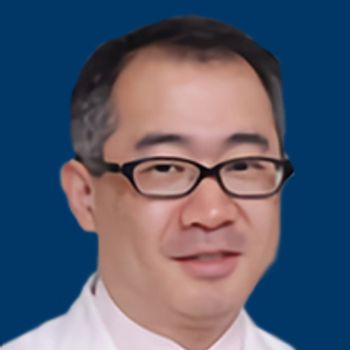
Eunice Wang, MD, highlights the mechanism of action of E-selectin inhibitors and speaks on the safety profile and efficacy of uproleselan in patients with acute myeloid leukemia.

Your AI-Trained Oncology Knowledge Connection!


Eunice Wang, MD, highlights the mechanism of action of E-selectin inhibitors and speaks on the safety profile and efficacy of uproleselan in patients with acute myeloid leukemia.

Florida Cancer Specialists & Research Institute, LLC welcomes Board-certified medical oncologist/hematologist Madhu Unnikrishnan, MD to the statewide practice.

Tovorafenib monotherapy generated responses in patients with recurrent or progressive pediatric low-grade glioma.

The Dobbs v Jackson Women’s Health Organization decision, a landmark decision of the US Supreme Court in which the court held that the Constitution of the United States does not confer a right to abortion, will most likely affect your practice.

Maryam Lustberg, MD, MPH, discusses key results from a retrospective analysis of ovarian suppression in HR–positive, HER2-positive breast cancer, the importance of assessing real-world practice patterns, and the need for continued study of other predictive biomarkers for endocrine therapy in this population.

Neoadjuvant treatment with SHR-1701 with or without chemotherapy followed by surgery or radiotherapy induced responses in more than half of patients with stage III unresectable non–small cell lung cancer and increased resectability in those assigned to definitive surgery.

R. Lor Randall, MD, FACS, discusses the outcomes of combining surgery and pexidartinib in patients with tenosynovial giant cell tumors, what investigators still need to learn about sequencing the CSF1R inhibitor around surgery, and what the combination approach could mean for patients with TGCT.

Mitesh J. Borad, MD, explains how FGFR alterations influence treatment strategies in cholangiocarcinoma and urothelial cancer, discusses the FGFR resistance mechanisms that are prompting further research in this area, and highlights the rationale for the KN-4802 trial.

Joining a list of over 100 previous orators, Robert Uzzo, MD, MBA, FACS, president and CEO of Fox Chase Cancer Center, delivered the Rhoads Oration for the Philadelphia Academy of Surgery this month at The College of Physicians of Philadelphia.

The addition of abequolixron to docetaxel generated responses in patients with relapsed/refractory non–small cell lung cancer or small cell lung cancer.

Japan’s Ministry of Health, Labor, and Welfare has approved acalabrutinib for the treatment of previously untreated patients with chronic lymphocytic leukemia and small lymphocytic lymphoma.

The FDA has accepted a biologics license application for glofitamab for the treatment of adult patients with relapsed or refractory large B-cell lymphoma after 2 or more lines of systemic therapy.

Japan has approved durvalumab monotherapy and durvalumab plus tremelimumab for unresectable hepatocellular carcinoma, durvalumab plus tremelimumab and chemotherapy for unresectable, advanced, or recurrent non–small cell lung cancer, and durvalumab plus chemotherapy for curatively unresectable biliary tract cancer.

Joseph A. Sparano, MD, highlights practice-changing clinical trials, novel therapies, the evolving treatment landscape, and unmet needs in the field of breast cancer.

Paul J. Shaughnessy, MD, discusses the unique properties of obecabtagene autoleucel in B-cell acute lymphoblastic leukemia and how findings from the FELIX trial support further research into the benefits of CAR T-cell therapy in patients with hematologic malignancies.

The FDA has granted a fast track designation to BT8009 for use as a monotherapy in adult patients with previously treated locally advanced or metastatic urothelial cancer.

Adding mitazalimab to mFOLFIRINOX led to a 52% objective response rate as frontline therapy in 23 patients with metastatic pancreatic cancer.

Adding the CDK4/6 inhibitor trilaciclib to platinum-based chemotherapy and avelumab maintenance produced an overall response rate comparable to chemotherapy and maintenance avelumab alone in patients with previously untreated locally advanced or metastatic urothelial carcinoma.

Abiraterone acetate granules for oral suspension demonstrated therapeutic equivalence and comparable safety to the original formulation of abiraterone acetate in patients with metastatic castration-resistant prostate cancer and metastatic castration-sensitive prostate cancer.

The FDA has approved FoundationOne Liquid CDx as a companion diagnostic for use with the selective TKI entrectinib. The assay identifies patients with ROS1-positive NSCLC or NTRK fusion–positive solid tumors who do not have a tissue sample available and who may be appropriate for entrectinib treatment.

Electronic health record systems’ design, usability, and interoperability issues can hinder integration and use.

Tumor treating fields plus standard-of-care therapies led to a statistically significant and clinically meaningful improvement in overall survival vs SOC alone in patients with stage IV NSCLC who progressed while on or after platinum chemotherapy, meeting the primary end point of the LUNAR trial.

Patients with hepatocellular carcinoma with microvascular invasion who received FOLFOX through hepatic arterial infusion chemotherapy experienced improved disease-free survival rates compared with those who received no adjuvant treatment.

Ripretinib improved progression-free survival, objective response rate, and overall survival over sunitinib when given as second-line treatment to patients with gastrointestinal stromal tumor harboring mutations in KIT exon 11 and 17/18 only and who received prior imatinib.

Significant and durable transfusion independence was achieved with imetelstat vs placebo in patients with lower-risk myelodysplastic syndromes who were relapsed, refractory, or ineligible for erythropoiesis-stimulating agents, meeting the primary and a key secondary end point of the phase 3 IMerge trial.

A biologics license application has been submitted to the FDA seeking the approval of cosibelimab for the treatment of patients with metastatic cutaneous squamous cell carcinoma or locally advanced cutaneous squamous cell carcinoma who are not candidates for curative surgery or radiation.

The FDA has granted a breakthrough device designation to the OverC Multi-Cancer Detection Blood Test for the early detection of cancers including esophageal, liver, lung, ovarian, and pancreatic in adults aged to 50 to 75 years with average risk.

HPV status has broad applicability across head and neck cancers, whereas the clinical utility of PD-L1 expression remains a more nuanced question.

The FDA has granted breakthrough device designation for the TriNetra™-Glio blood test to help in the diagnosis of brain tumors.

The European Medicines Agency has validated an application for the use of trastuzumab deruxtecan for adults with previously treated unresectable or metastatic non–small cell lung cancer whose tumors have activating HER2 mutations.