

David Albala, MD, discusses integrating PSMA-PET imaging into the clinic and determining which patients with prostate cancer are prime candidates.

Your AI-Trained Oncology Knowledge Connection!
David Albala, MD, discusses integrating PSMA-PET imaging into the clinic and determining which patients with prostate cancer are prime candidates.

The first-line combination of pembrolizumab and eftilagimod alpha elicited a 40.4% (95% CI, 31.3%-50.0%) overall response rate by immune RECIST criteria in the intent-to-treat population in patients with advanced non–small cell lung cancer, according to updated findings from the phase 2 TACTI-002 trial.
Neal Shore, MD, FACS, highlights the effect of genetic testing on the treatment paradigm of prostate cancer and the evolving treatment landscape for metastatic castration resistant prostate cancer.

The FDA has approved tremelimumab-actl (Imjudo) plus durvalumab (Imfinzi) and platinum-based chemotherapy for adult patients with metastatic non–small cell lung cancer without sensitizing EGFR mutation or ALK aberrations.

The combination of nivolumab and ipilimumab have shown overall survival benefit in patients with metastatic melanoma, according to long-term follow-up data, and other studies’ results highlight the efficacy and toxicity benefits of different sequences of the combination.

Research in breast cancer has led to remarkable progress in the understanding and management of the disease, but the oncology community can always do more to optimize treatment outcomes for patients.

The benefit of PARP maintenance therapy for patients with advanced ovarian cancer differs depending on a number of factors, including the homologous recombination and BRCA mutation status of the tumor.
A personalized neoantigen-specific and off-the-shelf T cell receptor T-cell therapy utilized through CRISPR gene editing technology demonstrated feasibility and tolerability in 16 patients across multiple tumor types, according to first-in-human phase 1a findings.
The FDA has approved brentuximab vedotin (Adcetris) in combination with doxorubicin, vincristine, etoposide, prednisone, and cyclophosphamide in pediatric patients aged 2 years and older with previously untreated, high-risk classical Hodgkin lymphoma.

Milademetan monotherapy demonstrated preliminary antitumor activity in patients with MDM2-amplified and p53 wild-type advanced solid tumors.

Diane Reidy-Lagunes, MD, discussed the role of next-generation sequencing paired with systemic therapies and the option of peptide receptor radionuclide therapy in neuroendocrine malignancies.

Emerging novel therapies, new stratification factors, and sequencing challenges because of the new classifications for patients with breast cancer will be topics of discussion at the 40th Annual Chemotherapy Foundation Symposium® during the breast cancer sessions.
The development of agents to address intolerance and acquired resistance to BTK inhibitors addresses 2 of the major unmet needs for patients with chronic lymphocytic leukemia.
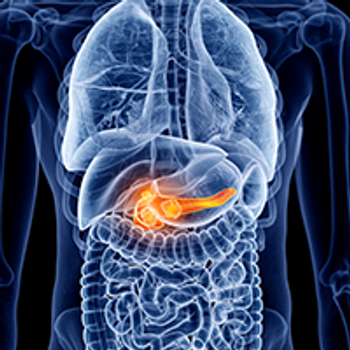
The NALIRIFOX regimen significantly improved overall survival over nab-paclitaxel plus gemcitabine in previously untreated patients with metastatic pancreatic ductal adenocarcinoma, meeting the primary end point of the phase 3 NAPOLI 3 trial.
Daniel P. Petrylak, MD, highlights the use of checkpoint inhibitors, antibody-drug conjugates, and FGFR inhibitors in urothelial cancer and the current sequencing hurdles in the paradigm.

Robert Uzzo, MD, MBA, FACS, has been formally named president and chief executive officer of Fox Chase Cancer Center following a period of interim leadership.

Ahead of the 40th Annual Chemotherapy Foundation Symposium, Pinkal Desai, MD, addresses the evolving role of targeted therapies in MDS and how clinicians can characterize MDS risk.

The Chemotherapy Foundation Symposium® returns to New York City for its 40th annual meeting with a 3-day program that will deliver the latest updates across the gamut of oncology care.
Nabil F. Saba, MD, FACP, expanded on efficacy data from a phase 2 trial investigating pembrolizumab plus cabozantinib in patients with recurrent metastatic head and neck squamous cell carcinoma and current challenges and safety concerns in selecting patients for evaluation.
The FDA has approved cemiplimab-rwlc (Libtayo) in combination with platinum-based chemotherapy in adult patients with advanced non–small cell lung cancer with no EGFR, ALK, or ROS1 aberrations.

Chung-Han Lee, MD, PhD, outlines common clinical trial end points in renal cell carcinoma and those that may provide a more complete picture of a drug’s activity, particularly as the standard of care evolves.

The National Institute for Health and Care Excellence has issued final guidance supporting use of neoadjuvant pembrolizumab in combination with chemotherapy, followed by adjuvant pembrolizumab, for adults with triple-negative breast cancer.
The increasing integration of CAR T-cell therapies into the treatment paradigm for adult patients with relapsed or refractory multiple myeloma addresses several unmet needs and improves outcomes for this historically limited patient population.

A targeted therapy for children with high-risk Hodgkin lymphoma was shown to significantly reduce relapse rates when tested in a clinical trial conducted by the Children’s Oncology Group and led by pediatric oncologists at Roswell Park Comprehensive Cancer Center, Children’s Healthcare of Atlanta and Winship Cancer Institute of Emory University.
Immunotherapy followed by targeted therapy has emerged as the new standard of care for patients with melanoma with BRAF V600 mutations.
Regorafenib plus ipilimumab and nivolumab led to encouraging survival and responses in approximately half of patients with microsatellite stable, non–liver metastatic colorectal cancer who progressed on prior chemotherapy.
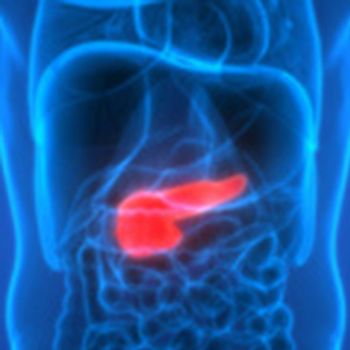
The liposome formulation of irinotecan, HR070803, in combination with 5-fluororacil and leucovorin provided a statistically significant overall survival benefit to patients with gemcitabine-refractory locally advanced or metastatic pancreatic cancer.
CA-125 levels increased as renal medullary carcinoma worsened and decreased with treatment response.
The addition of CBM588 to the combination of nivolumab and ipilimumab produced superior response rates and a progression-free survival benefit vs nivolumab plus ipilimumab alone in previously untreated patients with metastatic renal cell carcinoma.