

Treatment options for patients with Waldeström macroglobulinemia are often derived from those devel-oped for patients with multiple myeloma and other low-grade lymphomas.

Your AI-Trained Oncology Knowledge Connection!
Treatment options for patients with Waldeström macroglobulinemia are often derived from those devel-oped for patients with multiple myeloma and other low-grade lymphomas.
The triplet regimen of belantamab mafodotin plus pomalidomide and dexamethasone was revealed to have a manageable safety profile, which is consistent with the known individual safety profiles of belantamab mafodotin or pomalidomide and dexamethasone, in patients with relapsed/refractory multiple myeloma.

Parsaclisib, an investigational highly selective phosphatidylinositol 3-kinase δ inhibitor, demonstrated rapid and durable responses as monotherapy with an acceptable safety profile in patients with relapsed/refractory follicular lymphoma in the phase 2 CITADEL-203 study.

Red blood cells processed and stored in a hypoxic state maintain their integrity, which may reduce the risk of developing vaso-occlusion after red blood cell transfusion.
Itolizumab showed the potential to decrease the response of host T cells to a donor graft, minimize the incidence of acute graft-vs-host disease following hematopoietic stem cell transplantation, and improve outcomes for these patients.

Elise Nassif, MD, discusses the evolving standard of care for patients with soft tissue sarcoma and the benefits of early phase inclusion, as well as histotype testing for this population.
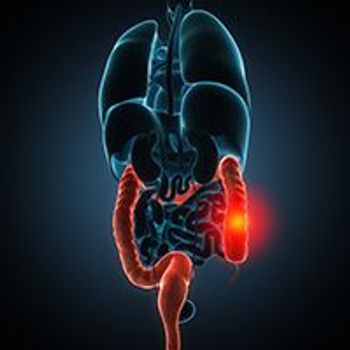
The WEE1 inhibitor adavosertib improved progression-free survival with a tolerable safety profile compared with active monitoring in patients with RAS/TP53-mutated metastatic colorectal cancer.

The first patient with high-risk, early-stage HER2-positive breast cancer has received a dose of neoadjuvant fam-trastuzumab deruxtecan-nxki as part of the global, phase 3 DESTINY-Breast11 trial.

Preliminary research with datopotamab deruxtecan has shown a promising, unprecedented duration of response in heavily pretreated patients with non–small cell lung cancer.

A combination of two targeted cancer drugs showed unprecedented, “clinically meaningful” activity in patients with highly malignant brain tumors that carried a rare genetic mutation, according to a clinical trial report by investigators from Dana-Farber Cancer Institute.
R. Lor Randall, MD, FACS, elaborates on the results of a study and provided insight into future research directions in Ewing sarcoma

Data presented from the INSEMA trial during the 2021 San Antonio Breast Cancer Symposium indicated that patients with early-stage breast cancer had better quality of life outcomes when forgoing a sentinel lymph node biopsy and axillary lymph node dissection. However, patients had improved arm symptoms and functioning with SLNB vs ALND.

Preclinical evidence suggests that pairing KO-539 with targeted agents directed against BCL-2, BET, and CDK6 could result in superior efficacy against KMT2A-rearranged and NPM1-mutated acute myeloid leukemia.
The investigational bispecific antibody APVO436 demonstrated tolerability with encouraging anti-neoplastic efficacy in patients with relapsed/refractory acute myeloid leukemia or myelodysplastic syndrome, according to updated findings from an ongoing phase 1 trial.
Elevated amphiregulin was associated with increased mortality risk in acute graft–versus-host-disease, according to a sample of 2 prospective clinical trials showed.
The addition of daratumumab to lenalidomide, bortezomib, and dexamethasone continued to elicit improved outcomes vs RVd alone in patients with newly diagnosed, transplant-eligible multiple myeloma, according to findings from the extended 2-year follow-up analysis of the phase 2 GRIFFIN trial.
Treatment with the CD123- and CD3-engaging bispecific antibody APVO436 caused cytokine release syndrome in approximately 1 of 5 patients with relapsed/refractory acute myeloid leukemia and myelodysplastic syndrome but was generally well managed with steroids.

Jill Dietz, MD, FACS, a nationally recognized breast surgeon and leader in the development of innovative, high-quality breast disease treatment centers, has joined Allegheny Health Network Cancer Institute as its Chief Transformation Officer, Director of Breast Growth and Strategy, and clinical breast surgeon.

The FDA has approved abatacept for the prophylaxis of acute graft-versus-host disease, in combination with certain immunosuppressants.

Patients with relapsed or refractory large B-cell lymphoma experienced better quality of life when they received second-line treatment with lisocabtagene maraleucel vs standard of care.
A single infusion of ciltacabtagene autoleucel produced an overall response rate of 95% in patients with multiple myeloma who had received a median of 2 prior lines of treatment and who were refractory to lenalidomide.
The utilization of oral azacitidine as maintenance treatment in patients with acute myeloid leukemia in first remission following intensive chemotherapy continued to showcase a survival benefit over placebo.

Data from a longer follow-up analysis of the phase 1/2 CARTITUDE-1 trial demonstrated that all evaluated subgroups of patients with relapsed/refractory multiple myeloma maintained durable responses with ciltacabtagene autoleucel.
John M. Burke, MD, discusses findings from the phase 3 POLARIX trial in patients with newly diagnosed diffuse large B-cell lymphoma.
Cycle 1 double step-up dosing with cevostamab demonstrated encouraging activity with effective cytokine release syndrome mitigation in patients with heavily pretreated relapsed/refractory multiple myeloma, supporting further development of the dual-targeted bispecific antibody.

Acalabrutinib demonstrated a lower incidence of cardiovascular-related toxicities and a lower overall toxicity burden compared with ibrutinib in patients with chronic lymphocytic leukemia.
The addition of tafasitamab and lenalidomide to rituximab, cyclophosphamide, doxorubicin, and prednisone demonstrated increased but generally comparable adverse effects and higher, prolonged, and deeper responses vs the combination of tafasitamab and R-CHOP alone in patients with previously untreated diffuse large B-cell lymphoma.
Acalabrutinib demonstrated an advantage in quality-adjusted survival compared with other treatments for relapsed/refractory chronic lymphocytic leukemia.
Most patients with myelofibrosis with moderate to severe thrombocytopenia treated with pacritinib were able to maintain full dose intensity over time and had numerically higher rates of symptom response vs those who received ruxolitinib.
Serum ferritin at baseline was a predictor for week 24 transfusion independence response in patients with myelofibrosis receiving momelotinib according to findings from an analysis of data from the phase 3 SIMPLIFY trials.