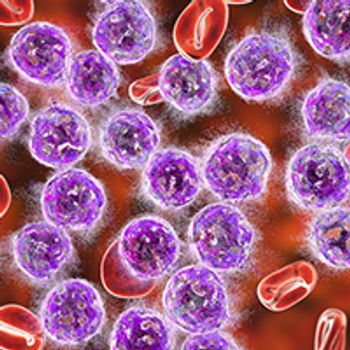
Was it natural zoonotic spillover that catapulted SARS-CoV-2 from an emerging virus into a pandemic pathogen or was it something much more sinister? Is it at all possible that a lab leak in Wuhan, China, was the spark that lit the fuse?

Your AI-Trained Oncology Knowledge Connection!


Was it natural zoonotic spillover that catapulted SARS-CoV-2 from an emerging virus into a pandemic pathogen or was it something much more sinister? Is it at all possible that a lab leak in Wuhan, China, was the spark that lit the fuse?

The next-generation CD37-directed radioimmunotherapy 177Lu lilotomab satetraxten has showcased early clinical activity with favorable tolerability when used in patients with relapsed/refractory diffuse large B-cell lymphoma who are not candidates for stem cell transplantation.

Actionable mutations identified in colorectal cancer have contributed significantly to the expansion of the therapeutic options available for patients with metastatic disease.

Sarah Cannon announced today that Navneet Majhail, MD, MS, FASTCT has been named Deputy Physician-in-Chief of Blood Cancers for the Sarah Cannon Transplant and Cellular Therapy Network.

Three first-in-class, SOX11 small molecule inhibitors demonstrated on-target antitumor activity in mantle cell lymphoma cell lines and in patient-derived ibrutinib-resistant models ex vivo.

The University of Texas MD Anderson Cancer Center is pursuing several novel approaches, including viro-immunotherapy and genetically engineered natural killer cells to treat patients with glioblastoma, while also conducting tumor analysis to better comprehend the disease.

Nizar Tannir, MD, FACP, discusses the results of the phase 2 CANTATA trial with telaglenastat plus cabozantinib and future research directions for the glutaminase inhibitor.

Individuals with cancer or who have a history of cancer should qualify for inclusion on COVID-19 vaccine trials, unless there is a safety justification for exclusion.

Peter Martin, MD, discusses discrepancies in real-world patterns of care for patients with MCL and what can be done to overcome them.

Genentech, a member of the Roche Group, today announced the creation of the Advancing Inclusive Research® Site Alliance.

Savolitinib has been granted a conditional approval in China for use in patients with non–small cell lung cancer with MET exon 14 skipping alterations who experienced disease progression after previous systemic therapy or are unable to receive chemotherapy.

Loncastuximab tesirine-lpyl continued to demonstrate promising antitumor activity with an acceptable toxicity profile when used in the treatment of select patients with non-Hodgkin lymphoma, including diffuse large B-cell lymphoma and mantle cell lymphoma.

Three-quarters of all cases of lung adenocarcinoma, the most common type of non–small cell lung cancer, are defined by oncogenic driver events involving receptor tyrosine kinase–orchestrated cellular signaling pathways.

Peter Riedell, MD, discusses the rationale for a study in mantle cell lymphoma, the clinical implications of the findings, and unanswered questions that future research efforts should aim to answer.

The European Commission has granted marketing authorization for the expanded use of subcutaneous daratumumab for use in 2 new indications.

Camidanlumab tesirine was found to elicit an objective response rate of 66.3% in patients with relapsed/refractory Hodgkin lymphoma.

The FDA has accepted for filing the resubmission of the new drug application for a unique formulation of sodium thiosulfate, for the prevention of ototoxicity that is induced by cisplatin chemotherapy in patients between the ages of 1 month and 18 years who have localized, nonmetastatic, solid tumors.

The European Commission has granted a conditional approval to selumetinib for the treatment of pediatric patients with symptomatic, inoperable plexiform neurofibromas and neurofibromatosis type 1 who are at least 3 years of age.

Arun Azad, MBBS, PhD, FRACP, discusses the rationale that inspired the launch of the UpFrontPSMA trial, and highlights past and future research directions with 177Lu-PSMA-617 in the treatment of patients with prostate cancer.

Pembrolizumab plus platinum-based chemotherapy with or without bevacizumab significantly improved overall survival and progression-free survival over the same platinum-based chemotherapy regimen with or without bevacizumab in patients with persistent, recurrent, or metastatic cervical cancer—irrespective of PD-L1 status.

Experts in lung cancer discuss advances with targeted therapies in non–small cell lung cancer, highlighting the latest and most pivotal data in the thoracic space and how the data apply to clinical practice.

For patients with myelofibrosis who have platelets counts of less than 50,000, pacritinib represents a potential therapeutic option that can fill a need that has been unmet with other approved JAK inhibitors, such as ruxolitinib and fedratinib.

Álvaro Juárez Soto, MD, discusses the efficacy of apalutamide plus androgen deprivation therapy in patients with metastatic hormone-sensitive prostate cancer.

Pirtobrutinib produced promising efficacy in patients with previously treated chronic lymphocytic leukemia/small lymphocytic lymphoma, those with mantle cell lymphoma and other non-Hodgkin lymphomas, and those who progressed on Richter transformation–directed therapy.

Several distinct subgroups have been identified within the myelodysplastic syndrome genomic landscape and have notable clinical features and discrete evolution patterns that provide proof of concept for next-generation disease classification and prognosis.

The expanding therapeutic landscape in multiple myeloma is poised to integrate daratumumab-based quadruplet therapies and novel cellular therapies as standard options for patients with newly diagnosed and relapsed/refractory disease.

The China National Medical Products Administration has granted a conditional approval to zanubrutinib for the treatment of adult patients with Waldenström macroglobulinemia who have previously received at least 1 therapy.

Patients with lung cancer were identified as an at-risk group for developing severe complications as a result of SARS-CoV-2 infection, and thoracic oncologists were fast to respond with the establishment of the Thoracic Cancers International COVID-19 Collaboration.

A supplemental new drug application and a marketing authorization application seeking the approval of the combination of copanlisib and rituximab for the treatment of patients with indolent non-Hodgkin lymphoma have been submitted to the FDA and the European Medicines Agency, respectively.

The patient experience is a critical factor in the success of any healthcare practice, and its importance is increasing with the rise of health care consumerism.