






Breast Cancer
Latest News
Advertisement
Latest Videos




CME Content































Advertisement
More News

Jane L. Meisel, MD, shares information from a study that evaluated patient-reported perceptions of patient-provider communication in breast cancer care.
Experts discuss considerations around first-line treatment selection for HER2-positive metastatic breast cancer, including when to diverge from the standard-of-care treatment, as well as the role of brain MRIs at diagnosis.

Kari Wisinski, MD, discusses treatment development and the current arsenal for patients with hormone receptor–positive, HER2-negative breast cancer.
Two oncologists present the clinical scenario of a 57-year-old woman with metastatic HER2-positive breast cancer to discuss their approach for incorporating recent research into clinical decision making around systemic therapy.
Closing their discussion, experts share ongoing studies utilizing genomic testing for patients with breast cancer.
Joyce O’Shaughnessy, MD and Erin Cobain, MD, offer their reflections of genomic testing in breast cancer and its impact on clinical practice.
In case you missed it, read a recap of every episode of OncLive On Air recorded in January 2024.

The doctors recommend using endocrine therapy-based options first-line when possible, before considering chemotherapy or antibody-drug conjugates, in order to preserve quality of life; they note exceptions could include patients with rapid progression or visceral crisis where immediate chemotherapy may be warranted, and that determining optimal sequencing requires understanding the safety profiles and efficacy data for the available regimens.

Reshma Jagsi, MD, DPhil, discusses 5-year findings from the IDEA trial assessing radiotherapy omission for postmenopausal patients with breast cancer.

The S1706 study is currently enrolling patients with inflammatory breast cancer to determine if adding a PARP inhibitor to radiation therapy is effective.
Jane L. Meisel, MD, discusses patient-reported perceptions of patient-provider communication in cancer care.
Dr O’Shaughnessy and Dr Cobain review growing discussions from SABCS 2023 surrounding the impact of racial disparities and genomic testing for breast cancer patients.
Experts in breast cancer outline data presented at SABCS 2023, focusing on real-world evidence for genomic assays used in practice.
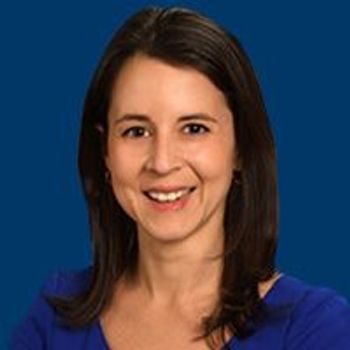
Jane L. Meisel, MD, discusses the importance of prioritizing patients’ toxicity concerns and quality of life in the management of breast cancer.

Pooja Advani, MBBS, MD, discusses the use of ribociclib plus endocrine therapy for patients with hormone receptor–positive, HER2– breast cancer.
Investigating when radiation therapy can be appropriately omitted and striving to uncover disparities are areas of focus in the field of radiation oncology.
The doctors recommend using endocrine therapy-based options first-line when possible, before considering chemotherapy or antibody-drug conjugates, in order to preserve quality of life; they note exceptions could include patients with rapid progression or visceral crisis where immediate chemotherapy may be warranted, and that determining optimal sequencing requires understanding the safety profiles and efficacy data for the available regimens.
The TROPION-Breast01 trial studied the antibody-drug conjugate datopotamab deruxtecan (Dato-DXd) in previously treated HR+, HER2- breast cancer patients and showed improved progression-free survival to 7 months compared to 4.5 months with standard chemotherapy, with less high grade toxicity observed with Dato-DXd.

Pooja Advani, MBBS, MD, discusses the advantages of using liquid biopsy in metastatic breast cancer.
Dr. O’Shaughnessy details the genomic assay MammaPrint and how it compares to other multigene assays used in practice, highlighting the MINDACT and TAILORx trials.
Expert oncologists discuss genomic testing for patients with HER2-low breast cancer, noting the FLEX trial of MammaPrint and BluePrint.
Reshma Jagsi, MD, DPhil, details advances from 2023 in breast cancer radiation oncology and interventions aimed at combating disparities within oncology.
Pooja Advani, MBBS, MD, discusses key advancements that have occurred for the treatment of patients with triple-negative breast cancer.
The EMERALD study showed improved progression-free survival with elacestrant compared to standard endocrine therapy in patients with ESR1 mutations who progressed on prior AI and CDK4/6 inhibitors, with the greatest benefit in those having longer duration of response to first-line therapy.
Laura Huppert, MD, and Yara Abdou, MD, discuss the CAPItello-291 trial which looked at the efficacy of capivasertib, a small molecule AKT inhibitor, in combination with fulvestrant for patients with estrogen receptor positive, HER2 negative advanced breast cancer who had progressed on prior endocrine therapy.
Advertisement
Advertisement
Trending on OncLive
1
Long-Term Cilta-Cel Data Show Low Rates of PFS Events in Standard-Risk R/R Myeloma
2
Real-World Data Support Clinical Benefit With Lifileucel in Previously Treated Advanced Melanoma
3
Single-Center, Retrospective Data Show Low Rate of Lifileucel Infusion Following Referral in Advanced Melanoma
4
Dr Riedell on the Long-Term Efficacy of Tisa-Cel in R/R Follicular Lymphoma
5