





Gastrointestinal Cancer
Latest News

Advertisement
Latest Videos






CME Content

































Advertisement
More News

Madappa Kundranda, MD, PhD, discusses the sequencing of second-line therapies in hepatocellular carcinoma.

The FDA has granted an orphan drug designation to ezurpimtrostat, a PPT-1 inhibitor for the treatment of patients with hepatocellular carcinoma.

Although the incidence, location, and histology of esophageal cancer vary globally, patients in the Western World typically develop esophageal cancer in the distal esophagus or at the gastroesophageal junction.
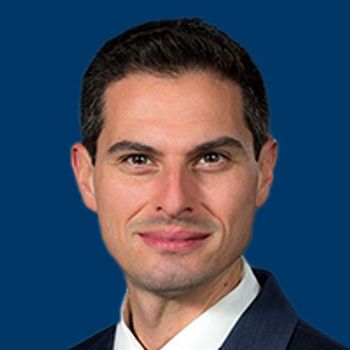
Daniel King, MD, PhD, discusses the results of an institutional review evaluating socioeconomic factors associated with disparities for germline genetic testing in patients with pancreatic adenocarcinoma, why germline testing is necessary for thi population, and how he is addressing gaps in germline testing in his own practice.

Rachna T. Shroff, MD, MS, expands on the rationale for evaluating the addition of nab-paclitaxel to gemcitabine/cisplatin in patients with newly diagnosed biliary tract cancers, data presented from SWOG 1815, and how this study may pave the way for future research efforts in the paradigm.
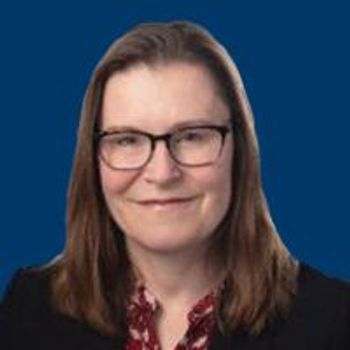
Laura Dawson, MD, FRCPC, discusses data from the NRG/RTOG 1112 trial examining the addition of stereotactic body radiation therapy to sorafenib, the implications of the data for the locally advanced hepatocellular carcinoma treatment paradigm, and next steps for research.

Closing the discussion on HCC systemic therapies, Drs Abou-Alfa, Lewandowski and Singal review international clinical trials and access to treatments.
Ghassan Abou-Alfa, MD, Robert Lewandowski, MD, FSIR, and Amit Singal, MD discuss potential novel combination therapies including immune checkpoint inhibitors plus tyrosine kinase inhibitors plus local-regional therapeutic strategies.

Brian Ramnaraign, MD, discusses the evaluation of atezolizumab plus tivozanib in a phase 1b/2 trial in patients with pancreatic, gallbladder, and bile duct cancers.

Marwan G. Fakih, MD, discusses a comparative analysis of the tumor microenvironment in primary tumors vs metastatic tissue in patients with microsatellite stable metastatic colorectal cancer.

J. Randolph (Randy) Hecht, MD, discusses the investigation of XL092 plus atezolizumab in patients with microsatellite stable/microsatellite instability–low metastatic colorectal cancer.

Howard S. Hochster, MD, discusses the evaluation of trastuzumab and pertuzumab vs cetuximab and irinotecan in HER2-amplified metastatic colorectal cancer.

Daniel King, MD, PhD, discusses socioeconomic disparities causing delays in germline genetic testing for patients with pancreatic cancer.

Nanvuranlat, a first-in-class LAT1 inhibitor, induced a statistically significant improvement in progression-free survival compared with placebo in patients with advanced, pretreated refractory biliary tract cancer.

Karyn A. Goodman, MD, MS, discusses key toxicity and efficacy data supporting the use of stereotactic body radiation therapy in locally advanced pancreatic cancer.

Joleen M. Hubbard, MD, discusses key survival data from the phase 1b study of the PolyPEPI1018 vaccine and the impact of these findings on continued investigations of this vaccine in metastatic colorectal cancer.

Manisha Palta, MD, discusses the clinical implications of the phase 3 NRG/RTOG 1112 trial in patients with locally advanced hepatocellular carcinoma.
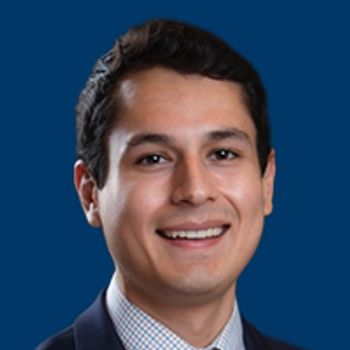
The risk for developing hepatocellular carcinoma appears to increase with subsequent generations for Americans of Mexican descent, according to findings from a study of US-born Hispanics/Latinos living in Los Angeles, California.

Shubham Pant, MD, discusses the rationale, trial design, and key efficacy and safety data from an expansion cohort of the phase 2 RAGNAR trial in biliary tract cancers.
Experts in liver cancer treatment provide insight on real-world trials of immune checkpoint inhibitor combinations in HCC and opine on trial endpoints when immune therapy is utilized.
Drs Abou-Alfa, Singal, and Lewandowski discuss use of immune checkpoint inhibitors and liver function.

Adding the PD-1 inhibitor pembrolizumab to gemcitabine and cisplatin led to a significant improvement in overall survival compared with gemcitabine and cisplatin alone as first-line therapy in patients with advanced or unresectable biliary tract cancer.

Bavituximab in combination with pembrolizumab produced responses in patients with previously untreated advanced hepatocellular carcinoma.

Second-line ripretinib produced a clinical benefit in patients with advanced gastrointestinal stromal tumor harboring KIT exon 11 and 17/18 mutations who progressed on or were intolerant to imatinib.
The addition of the novel bispecific antibody CTX-009 to paclitaxel showed promising efficacy in the second- and third-line settings for patients with advanced biliary tract cancer.
Advertisement
Advertisement
Trending on OncLive
1
Single-Center, Retrospective Data Show Low Rate of Lifileucel Infusion Following Referral in Advanced Melanoma
2
Outcomes With Bridging Therapy Correlate With Cilta-Cel Efficacy, Safety in Multiple Myeloma
3
Real-World Data Support Clinical Benefit With Lifileucel in Previously Treated Advanced Melanoma
4
Long-Term Cilta-Cel Data Show Low Rates of PFS Events in Standard-Risk R/R Myeloma
5