



Gastrointestinal Cancer
Latest News
Advertisement
Latest Videos





CME Content

























Advertisement
More News

Tislelizumab monotherapy resulted in favorable health-related quality of life outcomes compared with sorafenib as frontline treatment for patients with unresectable hepatocellular carcinoma.
The addition of stereotactic body radiation therapy to sorafenib led to an improvement in overall survival, progression-free survival, and time to disease progression compared with sorafenib alone in patients with locally advanced, hepatocellular carcinoma.

The addition of nab-paclitaxel to gemcitabine and cisplatin did not result in a statistically significant improvement in overall survival over gemcitabine/cisplatin alone in patients with newly diagnosed, advanced biliary tract cancers.
Blank-microsphere transarterial chemoembolization plus low-dose lenvatinib and sequential microwave ablation elicited responses and a tolerable safety profile in patients with large hepatocellular carcinoma.
The presence of anti-drug antibodies appeared to have no effect on efficacy or safety of durvalumab monotherapy or the STRIDE combination of durvalumab plus tremelimumab in patients with unresectable hepatocellular carcinoma.

Second-line lenvatinib may produce a survival benefit in patients with advanced hepatocellular carcinoma who have progressed on immunotherapy.

Patients with HER2-overexpressing metastatic or advanced gastric/gastroesophageal junction adenocarcinoma treated with HER-Vaxx plus standard-of-care chemotherapy had a statistically significant survival benefit compared with those who received chemotherapy alone.

Frontline zolbetuximab plus mFOLFOX6 significantly improved progression-free and overall survival vs placebo/mFOLFOX6 in patients with CLDN18.2-positive, HER2-negative locally advanced unresectable or metastatic gastric/gastroesophageal junction adenocarcinoma, according to primary phase 3 data from the SPOTLIGHT trial.
Nivolumab in combination with chemotherapy or ipilimumab maintained a clinically meaningful overall survival benefit vs chemotherapy alone in patients with treatment-naïve advanced esophageal squamous cell carcinoma.
The combination of nivolumab (Opdivo) and chemotherapy continued to provide a clinically meaningful long-term survival benefit and deeper responses than chemotherapy alone in previously untreated patients with advanced gastric cancer, gastroesophageal junction cancer, and esophageal adenocarcinoma, according to 3-year follow-up data from the phase 3 CheckMate-649 trial.
Neoadjuvant treatment with the combination of tremelimumab and durvalumab produced responses and was well tolerated in patients with mismatch repair–deficient and microsatellite instability–high, Epstein-Barr virus–negative gastric or gastroesophageal junction adenocarcinoma.

Adjuvant treatment with the combination of atezolizumab and bevacizumab demonstrated a statistically significant improvement in recurrence-free survival compared with active surveillance in patients with early-stage hepatocellular carcinoma at high risk of disease recurrence.
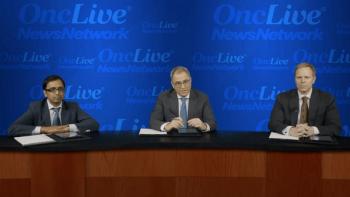
The panel reviews the HIMALAYA and IMbrave-150 clinical trials of checkpoint inhibitor combination therapy strategies in advanced HCC.
A deeper dive on immune checkpoint inhibitors in HCC including review of the mechanisms of action of the IO agents.

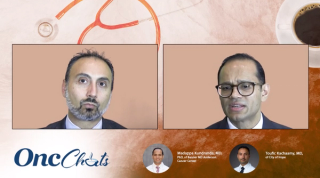
Mohamad Bassam Sonbol, MD, discusses key considerations for treatment selection in patients with gastroesophageal junction cancers.
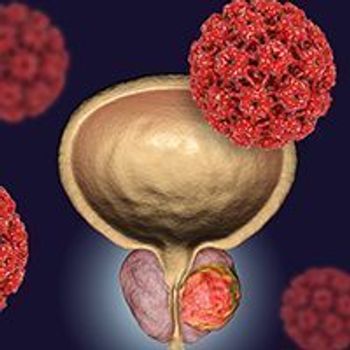
The use of peptide receptor radionuclide therapy with lutetium Lu 177 dotatate improved progression-free survival in patients with unresectable, progressive neuroendocrine pancreatic tumors.

Leading experts in the field of liver cancer contextualized how recent data are influencing the treatment paradigm in hepatocellular carcinoma.
The FDA has granted an orphan drug designation to QN-302 for the treatment of patients with pancreatic cancer.
A multidisciplinary panel discusses use of immune checkpoint inhibitors in patients with advanced HCC.
Drs Singal and Lewandowski review use of tyrosine kinase inhibitors, sorafenib and lenvatinib, and discuss trials that combined systemic therapy with chemoembolization.

Japan has approved durvalumab monotherapy and durvalumab plus tremelimumab for unresectable hepatocellular carcinoma, durvalumab plus tremelimumab and chemotherapy for unresectable, advanced, or recurrent non–small cell lung cancer, and durvalumab plus chemotherapy for curatively unresectable biliary tract cancer.
Adding mitazalimab to mFOLFIRINOX led to a 52% objective response rate as frontline therapy in 23 patients with metastatic pancreatic cancer.
Experts in hepatocellular carcinoma discuss treatment options for locally advanced disease.
Dr Singal reviews the Child-Pugh scoring system, then Dr Lewandowski discusses the importance of considering liver function as well as disease burden when selecting a treatment strategy.
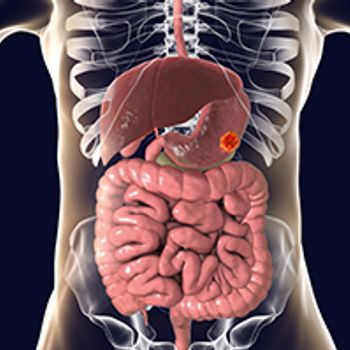
Patients with hepatocellular carcinoma with microvascular invasion who received FOLFOX through hepatic arterial infusion chemotherapy experienced improved disease-free survival rates compared with those who received no adjuvant treatment.
Advertisement
Advertisement
Trending on OncLive
1
Single-Center, Retrospective Data Show Low Rate of Lifileucel Infusion Following Referral in Advanced Melanoma
2
Long-Term Cilta-Cel Data Show Low Rates of PFS Events in Standard-Risk R/R Myeloma
3
Real-World Data Support Clinical Benefit With Lifileucel in Previously Treated Advanced Melanoma
4
Dr Riedell on the Long-Term Efficacy of Tisa-Cel in R/R Follicular Lymphoma
5