






Gastrointestinal Cancer
Latest News

January 4th 2023
By Kristi Rosa
Ripretinib improved progression-free survival, objective response rate, and overall survival over sunitinib when given as second-line treatment to patients with gastrointestinal stromal tumor harboring mutations in KIT exon 11 and 17/18 only and who received prior imatinib.
Advertisement
Latest Videos






CME Content































Advertisement
More News
Ghassan Abou-Alfa, MD leads Robert Lewandowski, MD, FSIR, and Amit Singal, MD in a discussion of the main risk factors for hepatocellular carcinoma.

Zanidatamab monotherapy produced responses in previously treated patients with HER2-amplified and -expressing biliary tract cancers.

The European Commission has approved fam-trastuzumab deruxtecan-nxki as monotherapy for the treatment of patients with advanced HER2-positive gastric or gastroesophageal junction adenocarcinoma who have received a prior trastuzumab-based regimen.
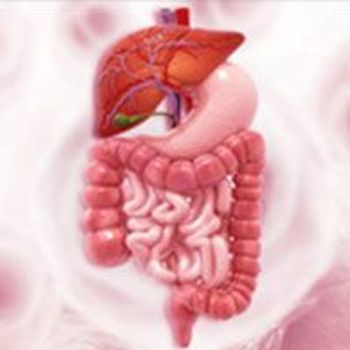
The addition of zolbetuximab to capecitabine and oxaliplatin resulted in a statistically significant improvement in progression-free survival and overall survival vs placebo/CAPOX in patients with Claudin 18.2–positive, HER2-negative, locally advanced unresectable or metastatic gastric or gastroesophageal cancers, meeting the primary and secondary end points of the phase 3 GLOW trial.

The FDA has approved updated labeling for capecitabine tablets (Xeloda) under an initiative aimed to ensure labeling information is clinically meaningful and scientifically up to date.

The FDA has accepted a new drug application for EVG-001, a kit for the preparation of Gallium-68 DOTATOC injection, a radiopharmaceutical approved for imaging of neuroendocrine tumors using positron emission tomography.
Nicholas Acuna discusses research showing that incidence of liver cancer increases over time in people of Mexican descent living in Los Angeles, the “Latino paradox” in health outcomes, and the next steps for this research.
The addition of budigalimab to ABBV-151 was well tolerated and significantly enhanced responses in patients with locally advanced or metastatic solid tumors.

Mojun Zhu, MD, discusses key findings from the phase 3 TOPAZ-1 trial in patients with biliary tract cancer.

Lionel Kankeu Fonkoua, MD, discusses key considerations when selecting a treatment regimen for patients with hepatocellular carcinoma.
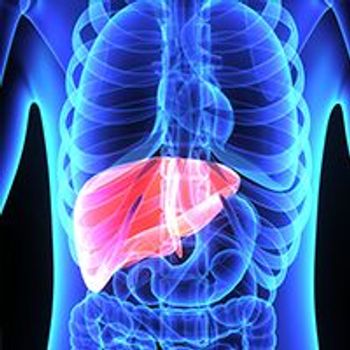
The European marketing authorization application of infigratinib for the treatment of advanced cholangiocarcinoma harboring FGFR2 fusions or rearrangements has been withdrawn by Helsinn Birex Pharmaceuticals.

The FDA has granted a fast track designation to pelareorep for use in combination with atezolizumab, gemcitabine, and nab-paclitaxel for the treatment of patients with advanced or metastatic pancreatic cancer.
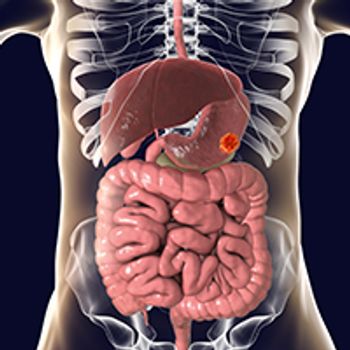
Fam-trastuzumab deruxtecan-nxki induced tumor reduction in more than 60% of patients with HER2-low gastric or gastroesophageal junction adenocarcinoma.

Ghassan K. Abou-Alfa, MD, discusses the administration of tremelimumab plus durvalumab in hepatocellular carcinoma and where the combination will fit in the treatment paradigm.

The combination of NT-I7 and pembrolizumab showed significant clinical activity in checkpoint inhibitor–naïve, relapsed/refractory microsatellite stable colorectal cancer and pancreatic cancer without liver metastasis.
The United Kingdom’s National Institute for Health and Care Excellence has issued final guidance recommending the use of nivolumab plus chemotherapy as a treatment option for patients with HER2-negative advanced stomach and esophageal cancer.
Patients with localized pancreatic adenocarcinoma who received care at a multidisciplinary clinic had significantly higher neoadjuvant therapy completion rates than those treated at a specialty-specific clinic.
The combination of pembrolizumab and physician’s choice of chemotherapy produced a statistically significant overall survival benefit vs chemotherapy plus placebo in patients with HER2-negative, locally advanced, unresectable or metastatic gastric or gastroesophageal junction adenocarcinoma.

OncLive® and The Ruesch Center for the Cure of Gastrointestinal Cancers at Georgetown Lombardi Comprehensive Cancer Center, have recognized 4 gastrointestinal physician-scientists and a prominent patient advocate, naming them as 2022 Luminary Awards in GI Cancers.
The addition of zolbetuximab to oxaliplatin, leucovorin, and fluorouracil significantly improved progression-free survival vs fluorouracil alone in patients with Claudin 18.2–positive, HER2-negative, locally advanced unresectable or metastatic gastric or gastroesophageal junction adenocarcinoma.
The addition of fruquintinib to paclitaxel in the second-line treatment of Chinese patients with advanced gastric or gastroesophageal junction adenocarcinoma significantly improved progression-free survival over paclitaxel alone.

The European Medicines Agency’s CHMP has recommended the approval of trastuzumab deruxtecan as monotherapy for the treatment of adult patients with advanced HER2-positive gastric or gastroesophageal junction adenocarcinoma who have received a prior trastuzumab-based regimen.
Expert insight to how the field of hepatocellular carcinoma management may evolve in coming years given therapeutic combinations and ongoing clinical trials.
Centering discussion on the final patient profile, panelists consider how they select optimal therapy in the second-line setting of advanced hepatocellular carcinoma.

Diane Reidy-Lagunes, MD, discussed the role of next-generation sequencing paired with systemic therapies and the option of peptide receptor radionuclide therapy in neuroendocrine malignancies.
Advertisement
Advertisement
Trending on OncLive
1
Single-Center, Retrospective Data Show Low Rate of Lifileucel Infusion Following Referral in Advanced Melanoma
2
Long-Term Cilta-Cel Data Show Low Rates of PFS Events in Standard-Risk R/R Myeloma
3
Real-World Data Support Clinical Benefit With Lifileucel in Previously Treated Advanced Melanoma
4
Dr Riedell on the Long-Term Efficacy of Tisa-Cel in R/R Follicular Lymphoma
5