





Hematologic Oncology
Latest News
Advertisement
Latest Videos


CME Content































Advertisement
More News

The FDA has granted an accelerated approval to polatuzumab vedotin (Polivy) for use in combination with bendamustine and rituximab for the treatment of patients with relapsed/refractory diffuse large B-cell lymphoma.

Thomas W. LeBlanc, MD, shares advice for community oncologists on to how to better navigate the complex treatment paradigm of acute myeloid leukemia.
The fixed-dose combination of cedazuridine and decitabine demonstrated decitabine exposure equivalence of total 5-day dosing compared with intravenous decitabine in patients with intermediate- and high-risk myelodysplastic syndromes or chronic myelomonocytic leukemia, meeting the primary endpoint of the phase III ASCERTAIN trial.

Lindsay A.M. Rein, MD, discusses the current state of TKI discontinuation in patients with chronic myeloid leukemia.

Ixazomib in combination with dexamethasone did not demonstrate a significant improvement in overall hematologic response compared with standard therapy in patients with relapsed/refractory systemic light-chain amyloidosis, missing one of two primary endpoints in the phase III TOURMALINE-AL1 trial and leading to discontinuation of the study.

Carlos Manuel de Castro III, MD, highlights current treatment approaches for severe aplastic anemia and some of the unmet needs that still exist.

The FDA has granted momelotinib a fast track designation for use as a treatment of patients with intermediate- or high-risk myelofibrosis who previously received a JAK inhibitor.

Harry P. Erba, MD, PhD, provides insight into how to navigate through the targeted therapies available in the treatment of acute myeloid leukemia and discussed the work that lies ahead in this space.

The FDA has accepted a biologics license application for the investigational erythroid maturation agent luspatercept for the treatment of adult patients with very low- to intermediate-risk myelodysplastic syndromes-associated anemia who have ring sideroblasts and require red blood cell (RBC) transfusions, as well as for adult patients with beta-thalassemia-associated anemia who require RBC transfusions.
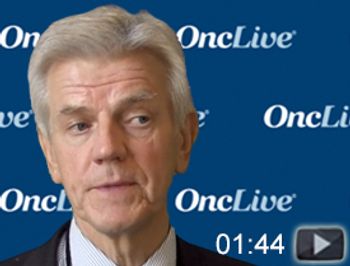
John Sweetenham, MD, associate director for clinical affairs, Harold G. Simmons Comprehensive Cancer Center, UT Southwestern Medical Center, discusses unanswered questions with CAR T-cell therapy in pediatric acute lymphoblastic leukemia.

Matthew S. McKinney, MD, discusses exciting treatment advances made in Hodgkin and non-Hodgkin lymphoma, specifically the compelling research in follicular lymphoma and mantle cell lymphoma.
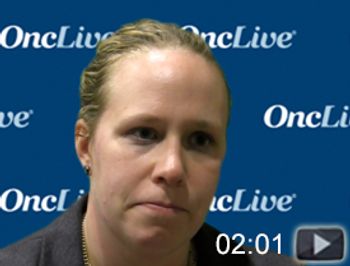
Lyndsey Runaas, MD, an assistant professor at the Medical College of Wisconsin, discusses impactful targeted therapies for patients with FLT3-mutant acute myeloid leukemia (AML).

The FDA has granted copanlisib (Aliqopa) a breakthrough therapy designation for the treatment of adult patients with relapsed marginal zone lymphoma who have received at least 2 prior therapies.
The FDA approved a supplemental new drug application to update the label for gilteritinib to include final analysis data from the phase III ADMIRAL trial, which demonstrated an improvement in overall survival with the FLT3 inhibitor compared with salvage chemotherapy in adult patients with relapsed/refractory FLT3-mutant acute myeloid leukemia.
The FDA has approved the R2 regimen of lenalidomide plus rituximab for use in patients with previously treated follicular lymphoma and marginal zone lymphoma.

Fifteen world-renowned leaders in hematology and oncology whose research has improved and extended the lives of millions of patients make up the 2019 class of Giants of Cancer Care® award winners.
The FDA has approved ruxolitinib for the treatment of adult and pediatric patients ≥12 years of age with steroid-refractory acute graft-versus-host disease.
The FDA’s Oncologic Drugs Advisory Committee voted 8-3 against approving a new drug application for quizartinib for adult patients with relapsed/refractory FLT3-ITD–positive acute myeloid leukemia.

Lyndsey Runaas, MD, discusses the newfound outlook for patients with FLT3- and IDH1/2-mutant acute myeloid leukemia given recent regulatory approvals and trial data.

Saurabh Chhabra, MD, MS, highlights emerging agents in the field of relapsed/refractory myeloma that have oncologists optimistic for the future.
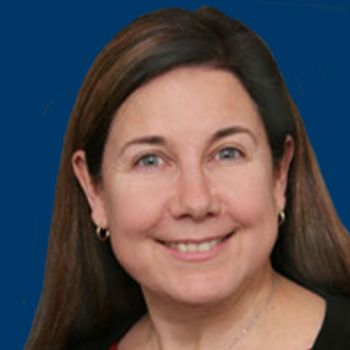
Laura Michaelis, MD, highlights the many ruxolitinib combinations under investigation and provided insight into the role of interferon in myeloproliferative neoplasms.
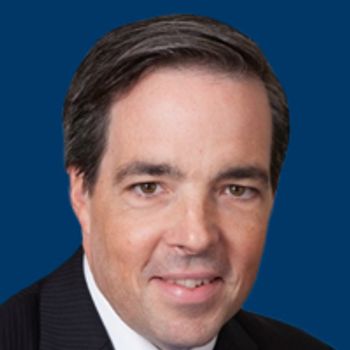
Therapy for patients with multiple myeloma encompasses many agents and potential combinations, but truly personalizing care will require knowing how those agents interact for maximum efficacy and incorporating patient preferences for toxicity into the care plan.

Binod Dhakal, MD, assistant professor, Medical College of Wisconsin, discusses early data with bispecific T-cell engager (BiTE) antibody constructs in multiple myeloma.
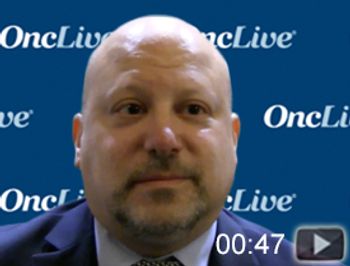
Eric Stephen Winer, MD, assistant professor of medicine, Harvard Medical School, Dana-Farber Cancer Institute, discusses the FDA approval of ivosidenib in acute myeloid leukemia (AML).
The FDA has approved a supplemental new drug application for ivosidenib as a single agent for the first-line treatment of adult patients with IDH1-mutant acute myeloid leukemia, as detected by an FDA-approved test, who are ≥75 years old or are ineligible to receive intensive chemotherapy.
Advertisement
Advertisement
Trending on OncLive
1
Long-Term Cilta-Cel Data Show Low Rates of PFS Events in Standard-Risk R/R Myeloma
2
Real-World Data Support Clinical Benefit With Lifileucel in Previously Treated Advanced Melanoma
3
Dr Riedell on the Long-Term Efficacy of Tisa-Cel in R/R Follicular Lymphoma
4
Single-Center, Retrospective Data Show Low Rate of Lifileucel Infusion Following Referral in Advanced Melanoma
5