

Hematologic Oncology
Latest News
Advertisement
Latest Videos
CME Content































Advertisement
More News
Patients with relapsed/refractory follicular lymphoma experienced durable responses when treated with tisagenlecleucel (Kymriah) in the phase 2 ELARA study (NCT03568461), according to data presented at the 2023 ASH Annual Meeting.
Treatment with ruxolitinib led to prolonged failure-free survival and improved disease control vs best available treatment in patients with either steroid-refractory or -dependent chronic graft-vs-host disease.
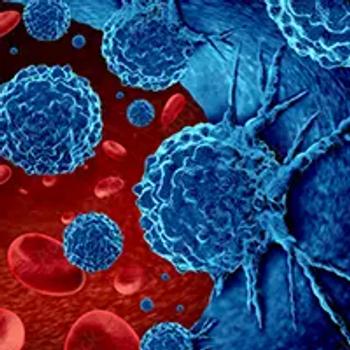
The phase 1a/1b NX-1607-101 trial will evaluate NX-1607, a CBL-B inhibitor, in patients with advanced malignancies, including diffuse large B-cell lymphoma.

Treatment with single-agent pirtobrutinib showed encouraging efficacy with a tolerable safety profile in a cohort of heavily pretreated patients with relapsed/refractory follicular lymphoma.
Oral iptacopan (Fabhalta) monotherapy induced durable responses and hemolysis control in patients with paroxysmal nocturnal hemoglobinuria and persistent anemia who had previously received anti-C5 treatment.
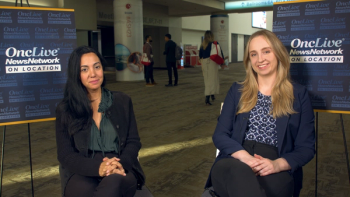
OncLive® will be LIVE with OncLive® News Network: On Location at the 2023 ASH Annual Meeting. Each day, we will broadcast a series of interviews with top thought leaders, to learn their thoughts and reactions to data presented across oncology during the conference.
Axatilimab induced rapid and durable responses with an acceptable toxicity profile at all doses analyzed with highest efficacy observed at the 0.3-mg/kg dose in patients with recurrent or refractory chronic graft-vs-host disease.

Obecabtagene autoleucel elicited durable responses in patients with relapsed or refractory B-cell acute lymphoblastic leukemia independent of leukemic burden at lymphodepletion, although better outcomes were observed in those with lower burden.
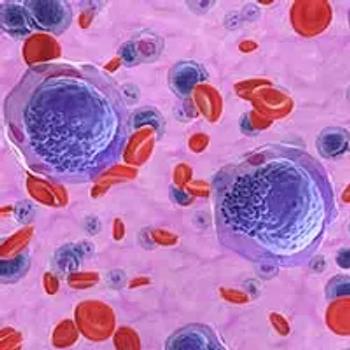
The presence of molecular minimal residual disease following induction chemotherapy can be used to determine patients with NPM1-mutated acute myeloid leukemia who may benefit from allogeneic transplant in first remission, including those with FLT3 ITD–mutated disease.
The use of Orca-T with myeloablative chemotherapy conditioning had comparable safety and efficacy in younger and older patients with hematologic malignancies, according to data from a phase 1b study.
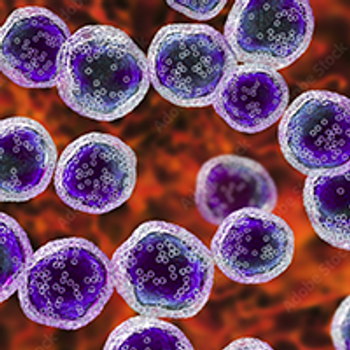
Golidocitinib displayed antitumor activity and an acceptable safety profile in patients with refractory/relapsed peripheral T-cell lymphoma, according to data from the pivotal phase 2 JACKPOT8 study.
Revumenib, decitabine/cedazuridine, plus venetoclax elicited an objective response rate of 100% with acceptable safety in patients with relapsed/refractory acute myeloid leukemia enrolled in the small phase 1/2 SAVE study.
The T-cell redirecting bispecific antibody teclistamab-cqyv demonstrated efficacy and a tolerable safety profile in a real-world population of patients with relapsed/refractory multiple myeloma consistent with that of those enrolled in the phase 2 MajesTEC-1 trial.
Treatment with an all-oral regimen of arsenic trioxide, all-trans retinoic acid, and ascorbic acid led to both 3-year overall survival and relapse-free survival rates of 97% in patients with acute promyelocytic leukemia.
The FDA has approved iptacopan (Fabhalta) for use in adult patients with paroxysmal nocturnal hemoglobinuria.
Expert insights into the evolving treatment landscape for chronic lymphocytic leukemia (CLL), emphasizing upcoming clinical data to be presented at ASH 2023.
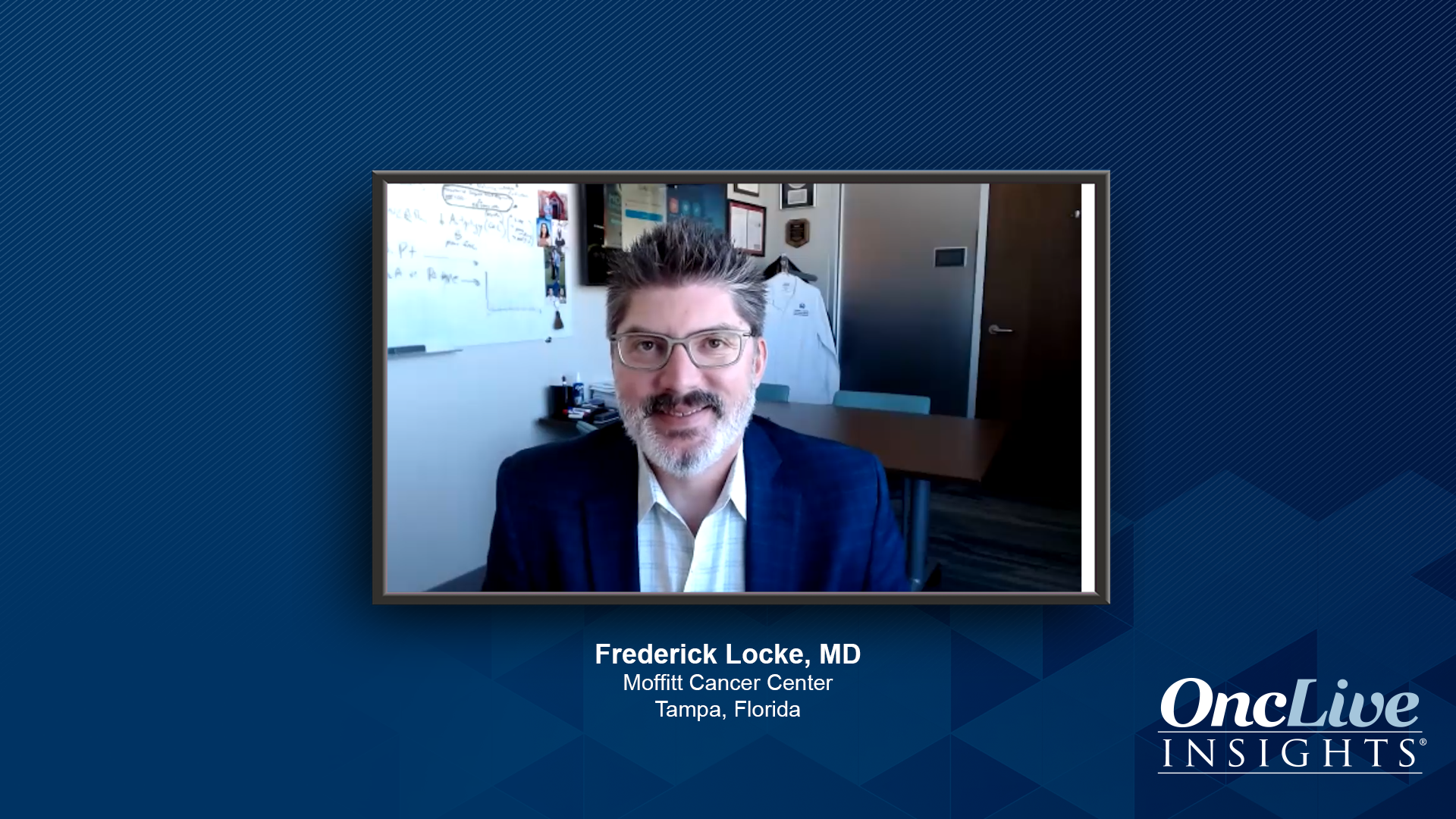
Dr. Locke reviews the latest data from ZUMA-7 and TRANSFORM studies, evaluating CAR T in the second line setting for R/R LBCL.
Fred Locke, MD, provides an overview of transplant eligibility for patients with large B-cell lymphoma, highlighting second line strategies with CAR T-cell therapy and bispecific antibodies.
Delve into the challenges of CAR T-cell therapy access and explore the biology behind treatment responses and relapses in lymphoma patients.
Explore the real-world application of CAR T-cell therapy in lymphoma treatment, from response rates to its role in first-line therapy.
The FDA has granted orphan drug designation to LP-284 for use in the treatment of patients with high-grade B-cell lymphoma harboring MYC and BCL2 rearrangements.
Drs Lunning and Jacobson discuss the characteristics of follicular lymphoma that may prompt aggressive treatment, the potential optimal role of CAR T-cell therapy in the third line and beyond, and how the toxicity profiles of different CAR T-cell products compare with each other.
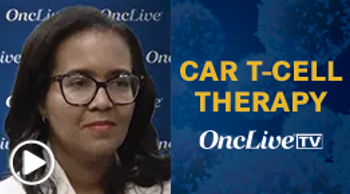
Adrienne Phillips, MD, MPH, discusses the impact of CAR T-cell therapy on the treatment paradigm for patients with large B-cell lymphoma, highlighting key advancements in the decision-making process for CAR T-cell therapy selection.
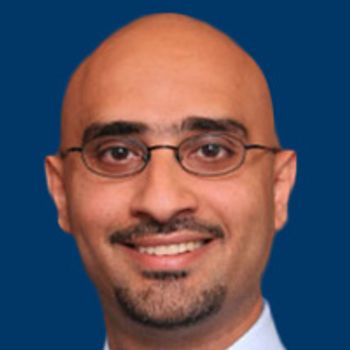
Ehab L. Atallah, MD, highlights updates in chronic lymphocytic leukemia, emphasizing the importance of understanding the plethora of options that are present for oncologists treating patients within this population.
Gain insights into CAR T-cell therapy's impact on lymphoma treatment through a historical perspective and mechanism of action.
Advertisement
Advertisement
Trending on OncLive
1
Long-Term Cilta-Cel Data Show Low Rates of PFS Events in Standard-Risk R/R Myeloma
2
Real-World Data Support Clinical Benefit With Lifileucel in Previously Treated Advanced Melanoma
3
FDA Updates Axi-Cel Label to Remove Limitation of Use in R/R PCNSL
4
Dr Riedell on the Long-Term Efficacy of Tisa-Cel in R/R Follicular Lymphoma
5