




Hematologic Oncology
Latest News
Advertisement
Latest Videos




CME Content































Advertisement
More News

Andrew Kuykendall, MD, discusses the current role of JAK inhibitors in myelofibrosis, the importance of chronic graft-vs-host disease awareness in patients with myeloid malignancies receiving transplant, and unmet needs for patients with chronic myelomonocytic leukemia.
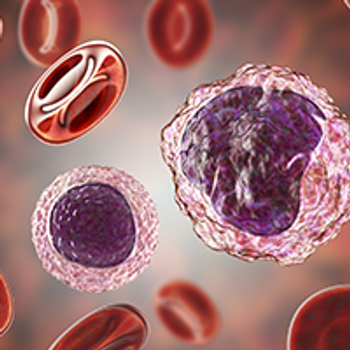
Bayer has announced the intention to voluntarily withdraw the new drug application for copanlisib in adult patients with relapsed follicular lymphoma who have previously received at least 2 prior systemic treatments.

The FDA has placed a partial clinical hold on the phase 1 NX-2127-001 trial investigating the novel BTK degrader NX-2127 in patients with relapsed/refractory B-cell malignancies.

Marisol Miranda-Galvis, DDS, MS, PhD, highlights the importance of understanding which social determinants of health have the greatest influence on treatment-related outcomes in patients with hematologic malignancies, expands on key variables identified in a systematic review of these disparities, and emphasizes the importance of continuing to implement new strategies to increase access to quality treatments.

Ricardo D. Parrondo, MD, highlights the current use of covalent BTK inhibitors in chronic lymphocytic leukemia, potential roles for the non-covalent BTK inhibitor pirtobrutinib, and the importance of future research on time-limited treatment options for patients with newly diagnosed chronic lymphocytic leukemia.

The European Commission has approved brentuximab vedotin in combination with doxorubicin, vinblastine, and dacarbazine for the treatment of adult patients with previously untreated, CD30-positive, stage III Hodgkin lymphoma.

The panel concludes their discussion with a look toward the future of lower-risk myelodysplastic syndrome treatment and the unmet needs that should be addressed.
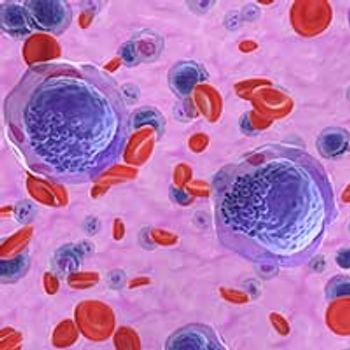
The addition of SLS009 to the combination of venetoclax and azacitidine produced anti-leukemic effects and was safe in patients with relapsed/refractory acute myeloid leukemia who did not respond or stopped responding to venetoclax-based therapies.

Dr Kuykendall discusses the FDA approval of momelotinib in myelofibrosis with anemia, key data from the MOMENTUM trial, and how momelotinib alters the myelofibrosis treatment paradigm.
Rami Komrokji, MD, provides clinical insights on treatment decision-making, sequencing, and combinations for patients with myelodysplastic syndrome. Please note: Since the filming of this program, luspatercept has been approved by the FDA for the treatment of lower-risk MDS in the first-line setting.

Valeria Santini, MD, reviews data from real-world outcomes in clinical trials investigating luspatercept in patients with lower-risk MDS.
The FDA has granted an orphan drug designation to SLS009 for the treatment of patients with acute myeloid leukemia.

The FDA has placed a partial clinical hold on investigational new drug application for lacutamab, leading to a pause in new patient enrollment for the phase 2 TELLOMAK trial and a phase 1b trial, which are evaluating the agent in patients with advanced cutaneous T-cell lymphoma and peripheral T-cell lymphoma, respectively.
Expert perspectives on the clinical implications of recent clinical trial data on new therapies in lower-risk myelodysplastic syndrome.
The panel of experts review recent data updates for new agents being investigated in the second line in patients with lower-risk MDS.

Immunotherapy has become a valuable tool for the treatment of patients with various types of lymphomas because of its ability to specifically target cancer cells, particularly those in blood cancers.
The FDA has approved the Empaveli Injector designed to enhance the self administration of pegcetacoplan, which is approved for the treatment of adult patients with paroxysmal nocturnal hemoglobinuria.

The novel anti-BCMA CAR T-cell therapy NXC-201 displayed safety and elicited hematologic and organ responses in patients with relapsed/refractory amyloid light chain amyloidosis, including frail patients.

Uwe Platzbecker, MD, reviews data updates from the MEDALIST trial investigating luspatercept in patients with lower-risk myelodysplastic syndrome.
Comprehensive insights on the differences and similarities in treatment algorithms for physicians treating patients with MDS in and outside the United States. Please note: Since the filming of this program, luspatercept has been approved by the FDA for the treatment of lower-risk MDS in the first-line setting.

Drs Garcia-Manero and Zeidan discuss the significance of efficacy and safety data from the COMMANDS trial in myelodysplastic syndrome, takeaways from the subgroup analyses, and expectations around treatment sequencing in the lower-risk population.

The phase 3 ENHANCE-2 trial examining the frontline combination of magrolimab and azacitidine vs physician’s choice of venetoclax with azacitidine or intensive chemotherapy in patients with acute myeloid leukemia and TP53 mutations has been discontinued, according to an announcement from Gilead Sciences.
The FDA has approved bosutinib (Bosulif) for the treatment of pediatric patients 1 year of age and older with Philadelphia chromosome–positive, chronic-phase chronic myelogenous leukemia that is newly diagnosed or resistant or intolerant to prior therapy.
Stephen M. Ansell, MD, PhD, discusses the successes and challenges of utilizing immune therapy across the landscape of hematologic malignancies, the importance of increasing the understanding of how the immune system functions in patients with lymphoma, and ongoing research of immune therapy for this patient population.

Amy W. Zhou, MD, highlights the unique mechanism of action of the JAK1/2 and ACVR1 inhibitor momelotinib and the importance of ongoing investigations of JAK inhibitor combination therapies in myelofibrosis.
Advertisement
Advertisement
Trending on OncLive
1
Long-Term Cilta-Cel Data Show Low Rates of PFS Events in Standard-Risk R/R Myeloma
2
Real-World Data Support Clinical Benefit With Lifileucel in Previously Treated Advanced Melanoma
3
Single-Center, Retrospective Data Show Low Rate of Lifileucel Infusion Following Referral in Advanced Melanoma
4
Dr Riedell on the Long-Term Efficacy of Tisa-Cel in R/R Follicular Lymphoma
5