


Lung Cancer
Latest News
Advertisement
Latest Videos
CME Content































Advertisement
More News
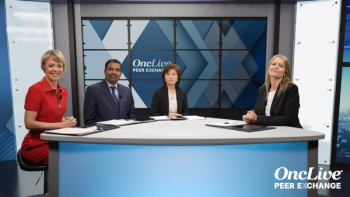
Solange Peters, MD, explains the currently available treatment options for patients with advanced NSCLC after progression on immunotherapy.
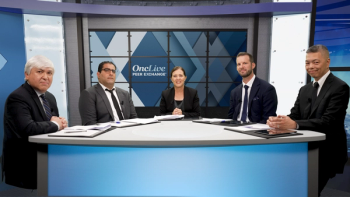
The panel shares the data that excited them the most from ESMO 2022, and what to look forward to in the future.
The FDA has approved cemiplimab-rwlc (Libtayo) in combination with platinum-based chemotherapy in adult patients with advanced non–small cell lung cancer with no EGFR, ALK, or ROS1 aberrations.

Data presented at the ESMO Congress 2022 highlighted advances across treatment modalities, including landmark data for trials in melanoma, breast cancer, and lung cancer, as well as early data that made headlines in a subgroup of patients with colon cancer.

Five-year follow-up data from the phase 3 KEYNOTE-189 trial further confirms the use of first-line pembrolizumab in combination with pemetrexed and platinum improves long-term survival outcomes for patients with treatment-naïve, metastatic, nonsquamous non–small cell lung cancer.
On September 8, 2022, OncLive® brought together physicians who treat FL to participate in a virtual workshop and discuss the treatment landscape and management of patients with relapsed/refractory (R/R) FL. The discussion was led by Krish Patel, MD; perspectives and insights on current treatment options, trial data, and other novel therapies were exchanged.
ON SEPTEMBER 11, 2022, OncLive® brought together medical oncologists who specialize in the treatment of non–small cell lung cancer (NSCLC). Moderated by Grace K. Dy, MD, the objectives of the workshop were to evaluate the potential role and impact of new antibody-drug conjugates (ADCs) in the treatment of patients with NSCLC.

Melissa L. Johnson, MD, shares key insights from the meeting, including pertinent findings in KRAS G12C¬–mutated NSCLC from the phase 3 CodeBreak 200 study and positive findings with atezolizumab in platinum-ineligible patients with NSCLC.

SRF388 elicited responses in pretreated patients with locally advanced or metastatic non–small cell lung cancer.
Recommendations for community hospitals and physicians on the critically necessary molecular tests needed for patients with NSCLC.
Drs Spicer and Sabari explain if and when they test patients with NSCLC for EGFR mutations after surgical resection.
Melissa Johnson, MD, explains the design and outcomes of the multi-arm POSEIDON study, which featured a combination of 4 agents for the treatment of advanced NSCLC.

Key opinion leaders discuss data from the EMPOWER-Lung-3 study investigating the use of cemiplimab plus chemotherapy in both squamous and non-squamous NSCLC.

Melissa L. Johnson, MD, discusses the paradigm-shifting results of the phase 3 IPSOS trial of atezolizumab in patients with metastatic non–small cell lung cancer.

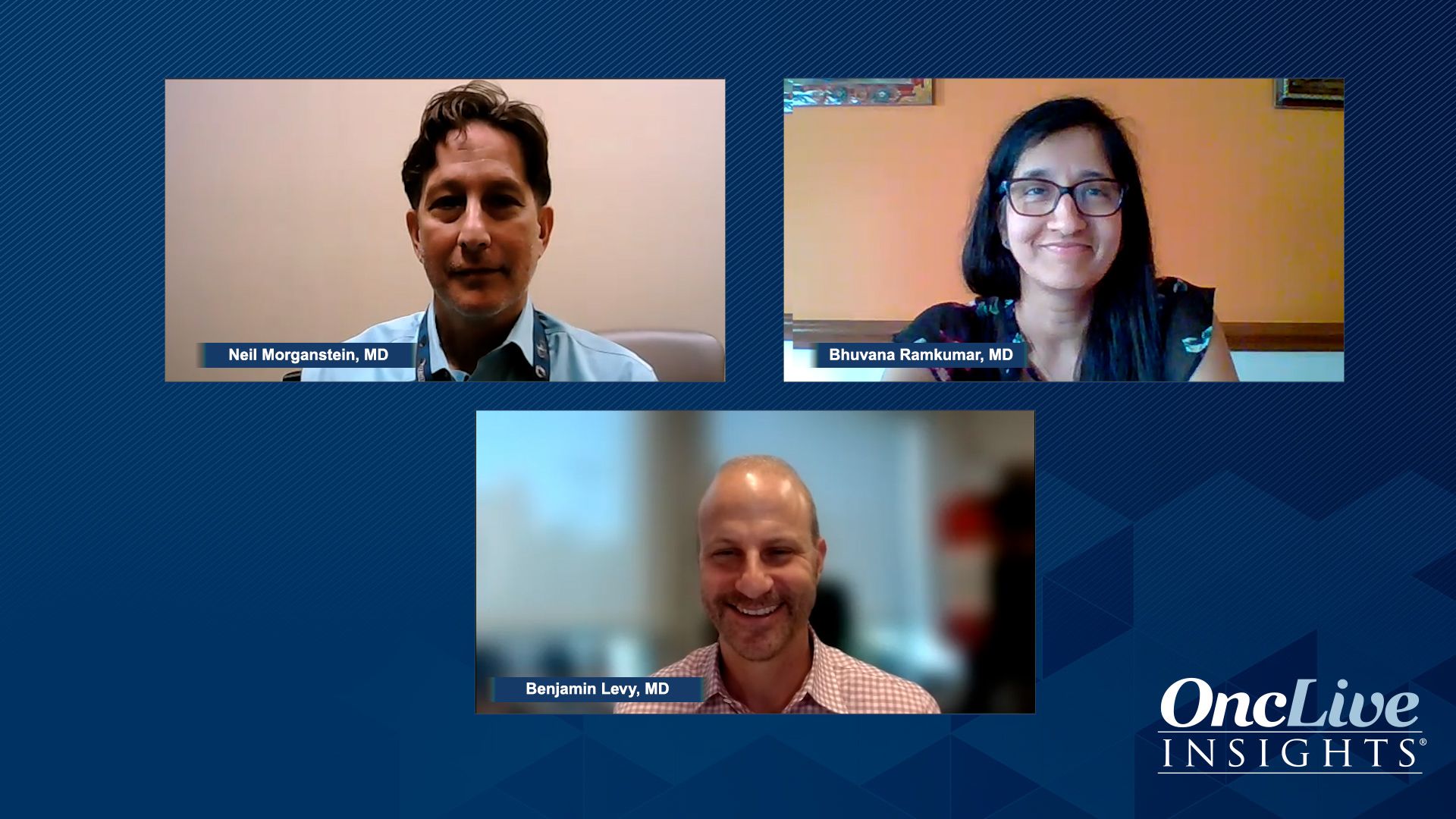
Bhuvana Ramkumar, MD, and Neil Morganstein, MD, share if they believe there should be a standard for molecular testing reports, and how frequently they communicate with their patients during the process.
The panel reflects on challenges with the EMR, and the impact it has on treatment decision making for their patients with NSCLC.

Lorlatinib improved progression-free survival and reduced 12-month cumulative incidence of central nervous system progression compared with crizotinib in patients with advanced ALK-positive non–small cell lung cancer irrespective of brain metastases at baseline.

Telisotuzumab vedotin in combination with erlotinib induced promising outcomes in patients with advanced, EGFR-mutated, c-MET-positive non–small cell lung cancer who were contraindicated for surgery or other approved therapies.
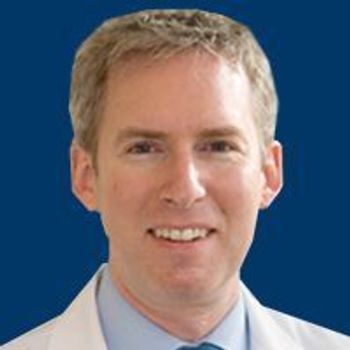
In a special OncLive video program, The Board, D. Ross Camidge, MD, PhD, led a discussion regarding key abstracts that were presented during the 2022 ESMO Congress in non–small cell lung cancer.
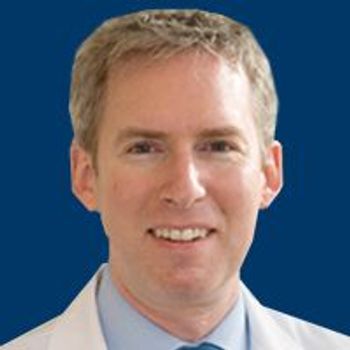
D. Ross Camidge, MD, PhD, discusses the potential utility of sunvozertinib in patients with non–small cell lung cancer harboring EGFR exon 20 insertion mutations, the efficacy and safety data observed with the agent, and future research directions.
The novel brain-penetrant ROS1-selective inhibitor NVL-520 elicited clinical activity and was well tolerated in heavily pretreated patients with ROS1 fusion–positive non–small cell lung cancer.
Misako Nagasaka, MD, PhD, discusses the various needs taletrectinib meets in the ROS1-positive population, initial efficacy data with the agent, and its impressive safety profile.
Dr Velcheti reviews data on the chemoimmunotherapy treatment of squamous NSCLC from the KEYNOTE-407 study.
Dr Vamsidhar Velcheti explains the 4-year data updates to the CheckMate 227 trial, which investigated PD-L1 monotherapy plus chemotherapy for advanced NSCLC.
Key opinion leaders share their thoughts on data updates from the ADUARA trial on the use of osimertinib as an adjuvant therapy for NSCLC.
Advertisement
Advertisement
Trending on OncLive
1
Long-Term Cilta-Cel Data Show Low Rates of PFS Events in Standard-Risk R/R Myeloma
2
Real-World Data Support Clinical Benefit With Lifileucel in Previously Treated Advanced Melanoma
3
FDA Updates Axi-Cel Label to Remove Limitation of Use in R/R PCNSL
4
Dr Riedell on the Long-Term Efficacy of Tisa-Cel in R/R Follicular Lymphoma
5