



Multiple Myeloma
Latest News
Advertisement
Latest Videos
CME Content




























Advertisement
More News
Susan Bal, MD, discusses the evolution of CAR T-cell therapy in multiple myeloma.
Meera Mohan, MD, MS, FACP, discusses the toxicities associated with T-cell–directed therapies in relapsed/refractory multiple myeloma.
Attaya Suvannasankha, MD, discusses future research directions with bispecific antibodies in patients with multiple myeloma and potential methods for mitigating adverse effects in this population.
Marilena Tauro, PhD, discusses the role for ULK3 in regulating autophagy in multiple myeloma.
Leaked data from an abstract scheduled to be presented at the 2023 EHA Hybrid Congress showed that ciltacabtagene autoleucel demonstrated a 74% reduction in the risk of disease progression or death compared with standard therapy in patients with relapsed/refractory multiple myeloma who received 1 to 3 prior lines of therapy.
Attaya Suvannasankha, MD, discusses the safety and efficacy of REGN5459, a BCMAxCD3 bispecific antibody with low affinity to CD3 on T cells, in relapsed/refractory multiple myeloma.

The BCMA- and CD3-directed bispecific antibody REGN5459 led to fast onset, deep, and dose-dependent responses sustained over time, with a high frequency of manageable low-grade cytokine release syndrome in patients with relapsed/refractory multiple myeloma.

The FDA has accepted a supplemental biologics license application seeking the approval of idecabtagene vicleucel for the treatment of adult patients with relapsed and refractory multiple myeloma who have received an immunomodulatory agent, a proteasome inhibitor, and an anti-CD38 monoclonal antibody.
The FDA has granted an orphan drug designation to OM-301 for the treatment of patients with multiple myeloma.
Amandeep Godara, MBBS, discusses important patient factors to consider when deciding between a CAR T-cell therapy vs bispecific antibody in relapsed/refractory multiple myeloma, and the importance of mitigating treatment-related toxicities associated with the administration of bispecific antibodies in this disease setting.
Abhinav Deol, MD, discusses the selection of CAR T-cell therapy for patients with relapsed/refractory multiple myeloma.
Matthew Brunner, MD, discusses the heterogeneity of relapsed multiple myeloma and the various symptoms that patients could experience.
Surbhi Sidana, MD, discusses the real-world safety and efficacy of ide-cel in patients with multiple myeloma and renal impairment, and emphasizes the importance of including this population in future clinical trials examining novel therapies in this disease.

The FDA has placed a partial clinical hold on a phase 1 trial investigating MT-0169 in patients with relapsed/refractory multiple myeloma or non-Hodgkin lymphoma.
Surbhi Sidana, MD, discusses the unmet needs for patients with relapsed/refractory multiple myeloma who could be candidates for CAR T-cell therapy but have impaired renal function, and how clinical trials for these therapies have excluded this subset of patients.
Abhinav Deol, MD, discusses the efficacy and durability of CAR T-cell therapies in patients with multiple myeloma.
Jeffery Zonder, MD, discusses the derived benefit that has been derived from talquetamab and cevostamab in patients with relapsed/refractory multiple myeloma.
Natalie S. Callander, MD, discusses the significance of the phase 3 ATLAS, phase 2 FORTE, and phase 2 MASTER trials in patients with multiple myeloma.

The FDA has granted a fast track designation to CB-011, a CRISPR-edited allogeneic CAR T-cell therapy developed by Caribou Biosciences, for the treatment of patients with relapsed/refractory multiple myeloma.
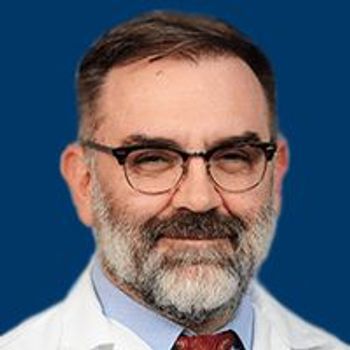
Jeffrey Zonder, MD, discussed the ongoing development of other BCMA-targeted and non–BCMA targeted bispecific antibodies, toxicity management for these agents, how to navigate treatment decisions for patients eligible for CAR T-cell therapy, and ongoing research in multiple myeloma at the Barbara Ann Karmanos Cancer Institute.

Andrew Kin, MD, expands on the ways BCMA-targeted therapies that are currently available and under development have shifted the treatment landscape for relapsed/refractory multiple myeloma, the implications of the approval of teclistamab, and the limitations that still exist for using BCMA-targeted agents.
Andrew Kin, MD, discusses the limitations and unmet needs associated with the use of BCMA-targeted therapies in relapsed/refractory multiple myeloma.
Andrew Kin, MD, discusses the withdrawal of the United States marketing authorization of belantamab mafodotin for the treatment of patients with relapsed/refractory multiple myeloma who have received at least 4 prior therapies, including an anti-CD38 monoclonal antibody, a proteasome inhibitor, and an immunomodulatory agent.
Jeffery Zonder, MD, discusses the need for expanding the armamentarium of targeted therapies for patients with relapsed/refractory multiple myeloma.
Jeffery Zonder, MD, discusses the process of choosing between CAR T-cell therapy and bispecific antibody approaches for the treatment of patients with relapsed/refractory multiple myeloma.
Advertisement
Advertisement
Trending on OncLive
1
Long-Term Cilta-Cel Data Show Low Rates of PFS Events in Standard-Risk R/R Myeloma
2
Single-Center, Retrospective Data Show Low Rate of Lifileucel Infusion Following Referral in Advanced Melanoma
3
Real-World Data Support Clinical Benefit With Lifileucel in Previously Treated Advanced Melanoma
4
Dr Riedell on the Long-Term Efficacy of Tisa-Cel in R/R Follicular Lymphoma
5