
Early findings from a phase II efficacy and safety study may be the first step in developing a definitive rationale for sequencing targeted therapies and immunotherapies in patients with metastatic melanoma.

Your AI-Trained Oncology Knowledge Connection!
Early findings from a phase II efficacy and safety study may be the first step in developing a definitive rationale for sequencing targeted therapies and immunotherapies in patients with metastatic melanoma.

Neither monotherapy with durvalumab or combination treatment with durvalumab plus tremelimumab met co-primary end points of overall survival vs chemotherapy for the treatment of metastatic urothelial cancer.

As first-line therapy for patients with microsatellite instability-high and/or mismatch-repair deficient metastatic colorectal cancer, pembrolizumab improves quality of life compared with standard chemotherapy.
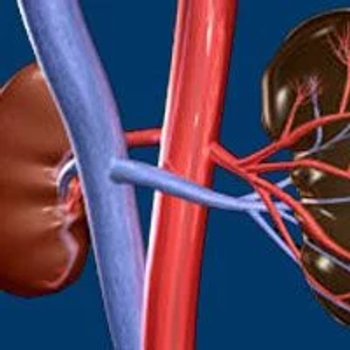
The benefits conferred by the combination of nivolumab and ipilimumab for the first-line treatment of advanced renal cell carcinoma remained durable after 4-year follow-up compared with treatment with sunitinib.

Improvements in disease-free survival and progression-free survival were observed in patients with progressive pancreatic or midgut neuroendocrine tumors whose frequency of dosing for lanreotide Autogel was increased from 120 mg every 28 days to every 14 days.

Safety and preliminary antitumor activity with the bispecific antibody RO7122290 alone or in combination with atezolizumab demonstrated preliminary antitumor activity and was safe for the treatment of patients with advanced solid tumors.
The investigative PD-1 inhibitor balstilimab as a single agent and combined with the CTLA-4 inhibitor zalifrelimab showed promising objective response rates, regardless of PD-L1 expression, and a tolerable safety profile in patients with recurrent/metastatic cervical cancer.

Although atezolizumab did not improve pathological complete response when added to carboplatin and nab-paclitaxel, the immunotherapy increased the pCR by 10% or more in “immune-rich” groups with high-risk and locally advanced triple-negative breast cancer, and also turned PD-L1 negative tumors positive in most immunotherapy-treated patients.
The combination of nivolumab and cabozantinib led to a 49% reduction in the risk of disease progression or death, while also significantly improving overall survival and doubling objective response rate, compared with sunitinib in the first-line treatment of patients with advanced renal cell carcinoma.

Neoadjuvant durvalumab achieved a satisfactory complete surgical resection rate in patients with resectable non–small cell lung cancer, demonstrating preliminary promise for this treatment strategy.

One preoperative injection of atezolizumab was considered safe and induced major pathological responses in select patients with resectable non–small cell lung cancer.

Three-year follow-up data for the phase 2 study of the first-in-class inhibitor of apoptosis protein antagonist, xevinapant, in combination with standard cisplatin-based concomitant fractionation chemoradiation therapy reduced the risk of mortality by half compared with CRT alone in patients with locally advanced squamous cell carcinoma of the head and neck.

Frontline maintenance treatment with avelumab plus best supportive care improved both progression-free and overall survival compared with BSC alone across prespecified subgroups of patients with advanced or metastatic urothelial carcinoma that has not progressed on first-line platinum-based chemotherapy.

Despite observed responses, induction therapy with avelumab prior to standard of care gemcitabine/carboplatin fails to sustain clinically meaningful efficacy and is not an adequate strategy for the first-line treatment for patients with metastatic urothelial carcinoma.

The investigational PD-L1 inhibitor BGB-A333 in combination with the PD-1 inhibitor tislelizumab demonstrated marked antitumor activity, durable clinical responses, and a tolerable safety profile in patients with urothelial carcinoma.

Bhavana Pothuri, MD, discusses patient-reported outcomes with niraparib in advanced ovarian cancer.

The addition of ipatasertib to paclitaxel failed to improve progression-free survival and objective response rates versus placebo plus paclitaxel in patients with PIK3CA/AKT1/PTEN-altered hormone receptor–positive, HER2-negative advanced breast cancer.

Alexander J. Stratigos, MD, discusses the rationale to evaluate cemiplimab-rwlc in locally advanced basal cell carcinoma.

The open-label arm of the 3-part phase 3 SYMPATICO trial is evaluating the combination of ibrutinib and venetoclax in previously untreated patients with mantle cell lymphoma.

Genetic testing is more important now than ever before, as biomarker-driven cancer treatments continue to receive approval across many tumor types.

Although strategies for treating brain metastases in patients with advanced breast cancer are showing signs of efficacy, new approaches are needed to prevent high-risk, HER2-positive early disease from spreading to the central nervous system.
The advent of gene expression assays has provided predictive insight into chemotherapy benefit that can be combined with prognostic information yielded by gene expression profiling to better target patients with breast cancer who are at higher clinical risk for the use of adjuvant chemotherapy.

Joyce A. O'Shaughnessy, MD, discusses the importance of research regarding the application of DNA repair deficiency in breast cancer, even though it's still in early stages.

In order to achieve health equity for patients with cancer, physicians must first understand the root cause of heath disparities, many of which may be invisible.

Chasity M. Washington, MPH, CHES, discusses ways to mitigate racial disparities in oncology.

Beth Sandy, MSN, CRNP, discusses the evolving treatment landscape in small cell lung cancer.
One of the most important tasks that oncology nurses face is ensuring that patients are taking their medications consistently and correctly, and that adverse events are properly managed—specifically in those patients with breast cancer.

Debu Tripathy, MD, discusses genomically guided therapy in breast cancer.

Paul A. Bunn, Jr, MD, highlights encouraging data with fam-trastuzumab deruxtecan-nxki in HER2-mutant non–small cell lung cancer.
Anne Chiang, MD, PhD, discusses unanswered questions with immunotherapy in non–small cell lung cancer.