

Fam-trastuzumab deruxtecan-nxki elicited higher rates of intracranial responses vs comparator therapies in patients with HER2-positive metastatic breast cancer with both stable and active brain metastases.

Your AI-Trained Oncology Knowledge Connection!
Fam-trastuzumab deruxtecan-nxki elicited higher rates of intracranial responses vs comparator therapies in patients with HER2-positive metastatic breast cancer with both stable and active brain metastases.
Belzultifan in combination with cabozantinib generated durable responses independent of International Metastatic RCC Database Consortium risk category in patients with treatment-naïve clear cell renal cell carcinoma or those who had received prior immunotherapy.

Atezolizumab plus standard-of-care platinum-based chemotherapy, followed by maintenance therapy with atezolizumab monotherapy, improved progression-free survival vs chemotherapy plus placebo, followed by placebo maintenance therapy, in the frontline treatment of patients with advanced or recurrent endometrial carcinoma particularly in those with mismatch repair–deficient disease.

Second-line treatment with sacituzumab govitecan-hziy led to responses in patients with extensive-stage small cell lung cancer, according to results from the phase 2 TROPiCS-03 trial.

Sacituzumab govitecan-hziy led to modest but durable antitumor activity with predominant gastrointestinal toxicities in patients with metastatic or locally recurrent head and neck squamous cell carcinoma who received between 1 and 3 prior lines of therapy.

The FDA has granted accelerated approval to entrectinib (Rozlytrek) for pediatric patients aged older than 1 month with solid tumors that harbor a NTRK gene fusion without a known acquired resistance mutation, are metastatic, or where surgical resection is likely to result in severe morbidity, and have progressed after treatment or have no satisfactory standard therapy options.

Patients with recurrent ovarian cancer did not experience a statistically significant improvement in clinical outcomes such as progression-free survival and objective response rate with the addition of atezolizumab to chemotherapy and niraparib maintenance therapy.
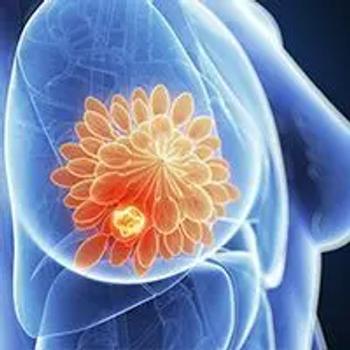
Neoadjuvant pembrolizumab plus chemotherapy followed by adjuvant pembrolizumab plus endocrine therapy generated a statistically significant increase in pathologic complete response vs neoadjuvant placebo plus chemotherapy followed by adjuvant pembrolizumab and endocrine therapy in patients with high-risk, early-stage, estrogen receptor–positive, HER2-negative breast cancer.

The addition of pembrolizumab to external beam radiotherapy and concurrent chemotherapy, followed by brachytherapy, resulted in statistically significant and clinically meaningful improvements in progression-free survival when compared with placebo plus EBRT/chemoradiotherapy/brachytherapy in patients with newly diagnosed, previously untreated, high-risk locally advanced cervical cancer.

Dostarlimab plus chemotherapy elicited a higher objective response rate and showcased a numerical improvement in overall survival compared with pembrolizumab and chemotherapy in patients with treatment-naïve, nonsquamous non–small cell lung cancer.
Treatment with the combination of lutetium Lu 177 vipivotide tetraxetan and enzalutamide led to an improvement in prostate-specific antigen progression-free survival vs enzalutamide alone in patients with metastatic castration-resistant prostate cancer.

Treatment with neoadjuvant pembrolizumab in combination with platinum-containing chemotherapy and followed by adjuvant pembrolizumab improved event-free survival compared with neoadjuvant chemotherapy alone in patients with high-risk triple-negative breast cancer.

The addition of pembrolizumab to combination of trastuzumab and chemotherapy led to an improvement in progression-free survival vs placebo plus trastuzumab and chemotherapy in the first-line treatment of patients with metastatic HER2-positive gastric or gastroesophageal junction cancer, particularly in those whose tumors had a PD-L1 combined positive score.

Concurrent adagrasib and pembrolizumab generated early signals of efficacy in patients with treatment-naïve, advanced non–small cell lung cancer harboring KRAS G12C mutations, particularly in those who had a PD-L1 tumor proportion score of at least 50%.

Maintenance therapy consisting of single-agent senaparib reduced the risk of progression or death vs placebo in patients with newly diagnosed advanced ovarian cancer, irrespective of BRCA mutation status.

The addition of durvalumab to 5-fluorouracil, leucovorin, oxaliplatin, and docetaxel produced statistically significant and clinically meaningful improvements in pathological complete response rates vs placebo plus FLOT in patients with resectable gastric cancer or gastroesophageal junction cancer.

Treatment with the bispecific T-cell engager tarlatamab demonstrated antitumor activity and favorable safety outcomes in patients with previously treated small cell lung cancer.

Adjuvant treatment with the combination of abemaciclib and endocrine therapy (ET) maintained a benefit in invasive disease-free survival and distant relapse–free survival compared with ET alone in patients with hormone receptor-positive, HER2-negative, node-positive, high-risk early breast cancer.

The United Kingdom’s National Institute for Health and Care Excellence has issued a final draft guidance recommending the approval of zanubrutinib for the treatment of adult patients with untreated, high-risk chronic lymphocytic leukemia harboring a 17p deletion or TP53 mutation.

Huntsman Cancer Institute at the University of Utah and Utah Valley University proudly announce a groundbreaking partnership called the “Huntsman Cancer Institute–Utah Valley University Health Collaborative.”

The 2023 ESMO Congress, which is taking place in Madrid, Spain, and will continue to be accessible online via a virtual platform, is gearing up to kick off, and the oncology community is ready to learn more about the latest data across malignancies.

David S. Hong, MD, and David Sommerhalder, MD, discuss the unmet needs for patients with KRAS G12C–mutant non–small cell lung cancer (NSCLC) and colorectal cancer (CRC) that prompted the initiation of the RMC-6291-001 trial; the key efficacy and safety findings with RMC-6291 in patients with NSCLC and CRC; and potential next steps for this agent.

Alison K. Conlin, MD, discusses patient characteristics that drive second-line treatment decisions for patients with HR-positive, HER2-negative metastatic breast cancer; remaining needs for patients with HR-positive, HER2-negative disease; and the evolving role of oral selective estrogen receptor degraders in patients with ESR1-mutated disease.

Cancer patients who receive molecular testing results prior to beginning first-line treatment for metastatic nonsquamous non-small cell lung cancer appear to live longer.

The European Commission has approved brentuximab vedotin in combination with doxorubicin, vinblastine, and dacarbazine for the treatment of adult patients with previously untreated, CD30-positive, stage III Hodgkin lymphoma.
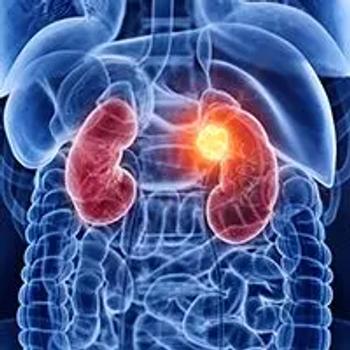
Treatment with subcutaneous nivolumab co-formulated with recombinant human hyaluronidase demonstrated noninferior pharmacokinetics vs intravenous nivolumab in patients with advanced or metastatic clear cell renal cell carcinoma who received prior systemic therapy.
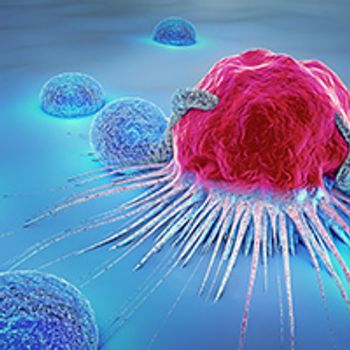
Drug development is a difficult and ever-changing process, with new agents being developed by industry and academic partners.
Anthony M. Hunter, MD, discusses the roles for pacritinib, momelotinib, and fedratinib in patients with myelofibrosis; treatment sequencing with newer-generation JAK inhibitors after ruxolitinib; and the importance of having several treatment options in the second-line setting and beyond.

OncLive® and The Ruesch Center for the Cure of Gastrointestinal Cancers at Georgetown Lombardi Comprehensive Cancer Center in Washington, DC, have announced the winners of the 2023 Luminary Award in GI cancers.
The emergence of a novel class of compounds, known as anitens, potentially offers clinicians the ability to elongate responses for patients with metastatic castration-resistant prostate cancer, with the first-in-class N-terminal domain androgen receptor inhibitor masofaniten showing promise as it moves to the phase 2 portion of a phase 1/2 trial.