
The addition of the CXCL12 inhibitor NOX-A12 to standard frontline therapy with radiation and bevacizumab led to an overall survival rate of 83% at a median follow-up of 15 months in patients with glioblastoma.

Your AI-Trained Oncology Knowledge Connection!
The addition of the CXCL12 inhibitor NOX-A12 to standard frontline therapy with radiation and bevacizumab led to an overall survival rate of 83% at a median follow-up of 15 months in patients with glioblastoma.
Although the highly potent, selective, allosteric, oral, small molecule BRG1/BRM inhibitor FHD-286 elicited signs of clinical activity and safety as monotherapy in patients with metastatic uveal melanoma in the dose-escalation portion of a phase 1 trial, further development in this indication will not be pursued.
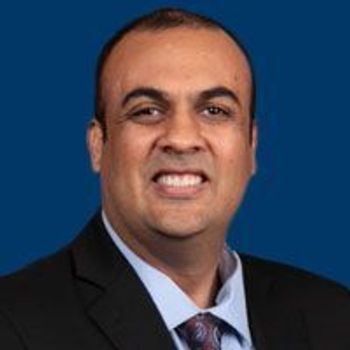
Mitesh J. Borad, MD, discusses the design and methodology of the ReFocus trial, updated efficacy and safety data for RLY-4008 in the dose-escalation study, and how selective FGFR2 inhibition has the potential to shift the treatment landscape in cholangiocarcinoma.

The FDA has granted fast track designation to the combination of quaratusugene ozeplasmid and atezolizumab as maintenance therapy in patients with extensive-stage small cell lung cancer whose disease did not progress after receiving initial standard treatment with atezolizumab and chemotherapy.

The National Medical Products Administration in China has accepted for review a new drug application seeking the approval of repotrectinib for use in adult patients with locally advanced or metastatic ROS1-positive non–small cell lung cancer.

Researchers at Fox Chase Cancer Center have utilized banked computed tomography to evaluate alternate response criteria for early prediction of outcomes in rare pancreatic neuroendocrine tumors.
The combination of galinpepimut-S and nivolumab provided positive survival outcomes with an acceptable safety profile in patients with malignant pleural mesothelioma who were refractory to or relapsed after at least 1 line of standard treatment.
The FDA has granted an orphan drug designation to VCN-01, a systemic, selective, stroma-degrading oncolytic adenovirus for the treatment of patients with pancreatic cancer.

The FDA has granted an orphan drug designation to the novel, highly potent, and selective MDM2 degrader KT-253 for the treatment of patients with acute myeloid leukemia.

Chimeric antigen receptor T-cell therapy has proven to be an effective adoptive cellular therapy against relapsed/refractory B-cell lymphoma.

Epcoritamab elicited a confirmed overall response rate of 82% by independent review committee assessment in patients with relapsed or refractory follicular lymphoma who received 2 or more prior systemic treatments, which exceeded the prespecified threshold for efficacy in the phase 1/2 EPCORE NHL-1 trial.

Ryan Jacobs, MD, expands on the initial efficacy and safety data seen with TNB-486, the need for more data on treatment-related CRS to improve toxicity management, and next steps planned for the investigation of this and other bispecific antibodies in relapsed/refractory follicular lymphoma.
Fixed-duration treatment with single-agent mosunetuzumab resulted in a high complete response rate by end of treatment in patients with relapsed or refractory follicular lymphoma, according to updated data from the phase 2 GO29781 trial.
Pau Montesinos, MD, PhD, discusses the preliminary results of the QUIWI trial, expands on the potential implications for the use of quizartinib plus chemotherapy in newly diagnosed patients with FLT3-ITD–negative acute myeloid leukemia, and details the next steps for this study and future research.
The addition of zanubrutinib to obinutuzumab produced superior clinical activity, prolonged survival, and had a favorable toxicity profile compared with obinutuzumab alone in heavily pretreated patients with relapsed/refractory follicular lymphoma.
Treatment with NKX101 led to a best composite complete response rate of 67% in patients with relapsed/refractory acute myeloid leukemia, according to updated data from a dose-expansion cohort of an ongoing phase 1 trial.
For the first time, researchers sought to analyze the outcomes of pregnant women with r/r lymphoma based on the timing of the pregnancy and type of lymphoma.
Frontline treatment with the combination of the CD40-directed monoclonal antibody agonist mitazalimab and modified FOLFIRINOX continued to produce responses in patients with metastatic pancreatic ductal adenocarcinoma.

As part of the diagnostic work-up for a patient with newly diagnosed MCL, it is important to establish prognostic disease biology factors such as classical nodal morphology vs blastoid variant vs leukemic variant, TP53 mutation status, and Ki-67 reflective of proliferation.

Yuan Yuan, MD, PhD, discusses the OptimICE-pCR trial and other ongoing clinical trials in breast cancer being conducted at Cedars-Sinai, and expands on the role of CDK4/6 inhibitors and other novel treatment strategies for patients with hormone receptor-positive breast cancer.
The CD20-targeted CAR T-cell therapy MB-106 led to responses and was well tolerated in patients with Waldenström macroglobulinemia who were refractory to a BTK inhibitor.

Single-agent treatment with the CDK9 inhibitor AZD4573 produced clinical activity in patients with relapsed/refractory peripheral T-cell lymphoma.
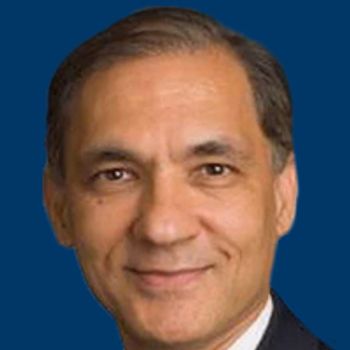
Nikhil C. Munshi, MD, discusses the significance of the FDA approval of cilta-cel in patients with multiple myeloma, shares the long-term findings from the pivotal CARTITUDE-1 trial, and highlights future directions for CAR T-cell therapy in this disease.
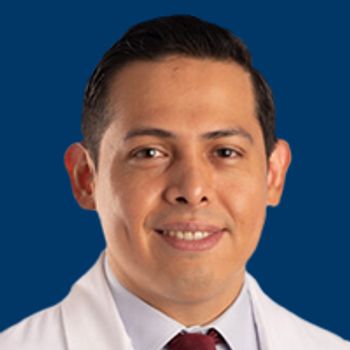
The choice of BTK inhibitor regimen for patients with chronic lymphocytic leukemia must be tailored to the patient, taking into consideration their preferences and comorbidities, as well as potential treatment-related adverse effects.
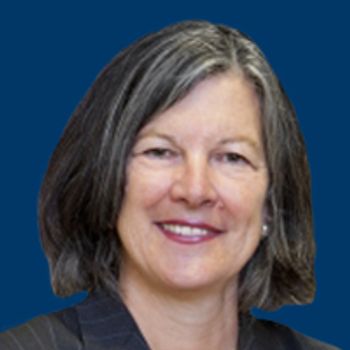
Huntsman Cancer Institute at the University of Utah, a pioneering innovator dedicated to developing more effective ways to care for and prevent cancer, announced plans today for a new Huntsman Cancer Institute comprehensive cancer center in Utah County.
The FDA has approved the first and only iodine-based contrast agent iopromide-300, -370 injection for intra-arterial and intravenous contrast-enhanced mammography.
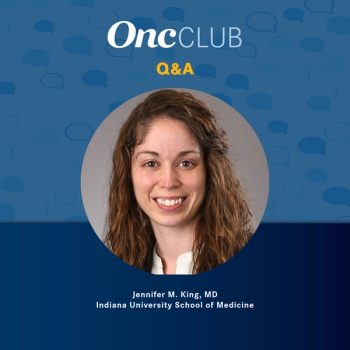
Jennifer M. King, MD, expands on the design and methodology of a retrospective study of teratoma in residual nonretroperitoneal disease post-chemotherapy and key findings regarding the correlation between teratoma in the primary tumor and rates of post-chemotherapy teratoma in residual non–nonretroperitoneal disease.

The combination of fianlimab and cemiplimab represents a wave of novel anti–LAG-3/PD-1 treatments being explored in patients with melanoma at high risk for relapse.
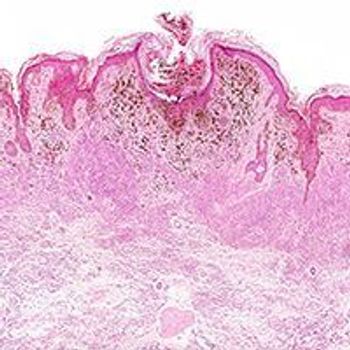
Camrelizumab combined with famitinib elicited responses and was well tolerated in patients with advanced melanoma previously exposed to an immune checkpoint inhibitor regimen.

The second line may be the optimal setting for patients with HR-positive, HER2-negative advanced breast cancer to receive CDK4/6 inhibitors plus an aromatase inhibitor followed by fulvestrant.