Patients with chronic lymphocytic leukemia, including those with difficult-to-treat disease classes such as double refractory, are quickly gaining more effective treatment options.

Your AI-Trained Oncology Knowledge Connection!


Patients with chronic lymphocytic leukemia, including those with difficult-to-treat disease classes such as double refractory, are quickly gaining more effective treatment options.

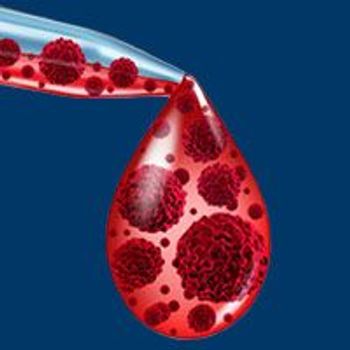
Andrew Ip, MD, delivers a keynote on the role for liquid biopsy and NGS in hematologic malignancies, including the barriers to implementing seamlessly into clinical practice.

The National Medical Products Administration of China has approved the use of single-agent fam-trastuzumab deruxtecan-nxki in adult patients with unresectable or metastatic HER2-positive breast cancer who previously received 1 or more anti–HER2-based regimens.

Jasmine Sukumar, MD, discusses the purpose of analyzing endocrine therapy use in HR-positive/HER2-positive patients, key data presented from the retrospective analysis at SABCS, and the need for improved understanding of clinical indications for endocrine therapy in this breast cancer subtype.

Chandler Park, MD, MSc, FACP, discusses the evolution of metastatic hormone-sensitive prostate cancer treatment, shifting definitions of metastatic and nonmetastatic castration-resistant prostate cancer, the importance of antibody-drug conjugates in bladder cancer, and the future of biomarkers in renal cell carcinoma.

Baptist Health Miami Cancer Institute treated its 1000th patient using Gamma Knife radiosurgery, an incisionless radiation therapy that precisely targets a tumor, importantly minimizing damage to otherwise healthy brain tissue.

The European Medicines Agency’s Committee for Medicinal Products for Human Use has recommended the approval of cemiplimab-rwlc in combination with platinum-based chemotherapy as frontline treatment for adult patients with advanced non–small cell lung cancer with PD-L1 expression of 1% or higher.

As carcinoembryonic antigen–related cell adhesion molecule 5 continues to show promise a target in patients with non–small cell lung cancer, refinements in testing and the understanding of the implications of its inhibition remain under investigation.

Bevacizumab plus trifluridine/tipiracil demonstrated improved overall survival and progression-free survival vs TAS-102 alone as third-line treatment for patients with refractory metastatic colorectal cancer.

The combination of the targeted immunotherapy Bria-IMT and retifanlimab demonstrated signs of clinical benefit and was found to be well tolerated in patients with advanced metastatic breast cancer.

French investigators evaluated a potential solution to reduce myotoxicity and improve survival for patients with cancer receiving treatment with immune checkpoint inhibitors.

A new study led by Washington University School of Medicine in St. Louis reveals at least one cause of low white blood cells.

Brian I. Rini, MD, discusses standard and investigational treatment options for patients with RCC who are refractory to immunotherapy; the potential role of biomarkers in future targeted treatments; and the need for novel mechanisms such as HIF inhibition to meet the needs of patients who don’t respond to immunotherapy or VEGF TKIs.

The FDA has granted a breakthrough therapy designation to the investigational personalized mRNA cancer vaccine mRNA-4157/V940 in combination with pembrolizumab for the adjuvant treatment of patients with high-risk melanoma following complete resection.

As targeted agents for various levels of HER2 expression have demonstrated dynamic interoperability and efficacy, the prognosis for HER2-positive disease has improved.

Tumor treating fields concomitant with gemcitabine and nab-paclitaxel is being compared with chemotherapy alone in the frontline treatment of patients with aggressive, locally advanced pancreatic cancer as part of the phase 3 PANOVA-3 trial.

The European Union has approved durvalumab plus tremelimumab-actl for first-line treatment of advanced or unresectable hepatocellular carcinoma and in combination with platinum-based chemotherapy in metastatic non–small cell lung cancer, according to a news release from AstraZeneca.

The European Commission has approved the tablet formulation of acalabrutinib for the treatment of adult patients with chronic lymphocytic leukemia.

James J. Harding, MD, describes the GI tumors where TSC1 or TSC2 alterations can arise, how the mechanism of action of nab-sirolimus may help fulfill an unmet need in this population, and the importance of using genetic testing to identify patients with mutations in TSC1, TSC2, or other genes to drive targeted treatment.

Anand P. Jillella, MD, has been selected as one of 20 Georgia “Trailblazers” in cancer care by the Georgia Center for Oncology Research and Education.

The FDA has granted a priority review to the biologics license application for elranatamab for the treatment of patients with relapsed/refractory multiple myeloma.

Despite treatment with the chemoprotective agent ALRN-6924, patients with p53-mutated breast cancer receiving neoadjuvant or adjuvant therapy with docetaxel, doxorubicin, and cyclophosphamide failed to meet the trial’s primary and secondary end points of duration and incidence of severe neutropenia in cycle 1 and incidence of chemotherapy-induced alopecia, respectively.

For patients with aggressive malignant tumors and high tumor burden, onco- logic emergencies such as tumor lysis syndrome emerge as a disease symptom or a treat- ment-related adverse effect.

The combination of zanidatamab and standard chemotherapy demonstrated activity when used as a first-line treatment for patients with HER2-positive metastatic or advanced gastroesophageal adenocarcinoma.

Matthew Rettig, MD, discusses emerging treatment options for patients with stage IV metastatic prostate cancer and highlights key data from clinical trials in the space.

Andrei H. Iagaru, MD, discusses molecular imaging and the use of prostate-specific membrane antigen PET scans in prostate cancer and highlights other key presentations from the 2023 Prost8 Cancer Conference.

Tian Zhang, MD, MHS, discusses findings with single-agent PARP inhibitors within homologous recombination repair–deficient metastatic castration-resistant prostate cancer and describes how these advances pave the way for combining PARP inhibitors with hormonal therapies.

Phillip J. Koo, MD, highlights insights garnered from prostate cancer experts on topics such as radioligands and modern radiopharmaceuticals, which, along with artificial intelligence, have the potential to revolutionize the field.

Toripalimab plus nab-paclitaxel demonstrated a significant improvement in progression-free survival compared with placebo and nab-paclitaxel in PD-L1–positive patients with stage IV or recurrent/metastatic triple-negative breast cancer.

Michael S. Cookson, MD, MMHC, explains how discrepancies in defining biochemical recurrence are sparking a conversation about creating more consistent definitions that could allow for more widely applicable standards of care in prostate cancer .