
A biologics license application seeking the approval of cosibelimab in patients with metastatic or locally advanced cutaneous squamous cell carcinoma has been accepted for filing by the FDA.

Your AI-Trained Oncology Knowledge Connection!
A biologics license application seeking the approval of cosibelimab in patients with metastatic or locally advanced cutaneous squamous cell carcinoma has been accepted for filing by the FDA.
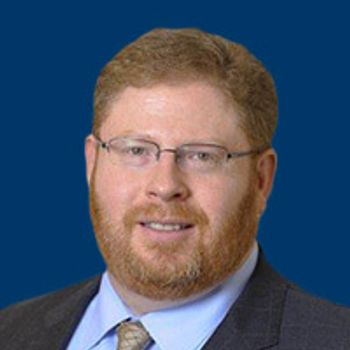
Jonathan E. Rosenberg, MD, discusses key safety and efficacy data from the EV-103 trial supporting supplemental biologics license applications seeking FDA approval of enfortumab vedotin plus pembrolizumab in patients with advanced urothelial cancer.
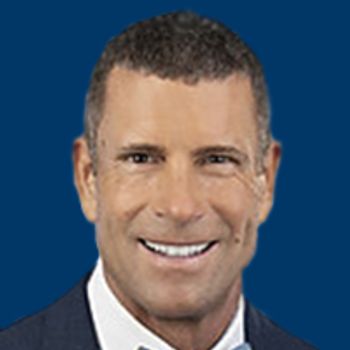
R. Lor Randall, MD, FACS, discusses the presentation and diagnosis of mesenchymal chondrosarcomas, the role of HEY1-NCoA2 gene fusions in the disease, and potential treatment options for this rare subgroup of patients.
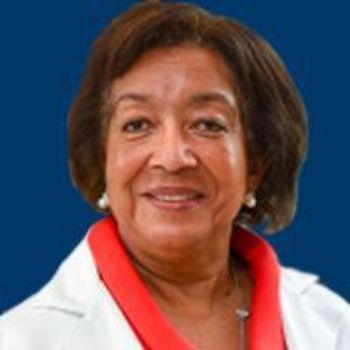
Edith P. Mitchell, MD, MACP, FCCP, FRCP, Director of the Center to Eliminate Cancer Disparities and Clinical Professor of Medicine and Medical Oncology, has been named Enterprise Vice President for Cancer Disparities at Jefferson Health’s Sidney Kimmel Cancer Center.

The family of Mike and Patti Hennessy made a transformational gift in their memory to establish the Hennessy Institute for Cancer Prevention and Applied Molecular Medicine.
Phase 3 randomized trials often fail to reasonably represent the actual population of patients seen in routine community practice.
Amandeep Godara, MBBS, discusses the evolving treatment landscape in both early and late relapsed multiple myeloma, updated clinical trial results with CAR T-cell therapy, and key considerations when navigating treatment selection in this disease space.
The antibody-drug conjugate ARX788 was found to significantly improve progression-free survival compared with an active control in patients with HER2-positive locally advanced or metastatic breast cancer.
A new drug application has been submitted to the FDA seeking the approval of niraparib in combination with abiraterone acetate, in the form of a dual-action tablet, and prednisone, for the first-line treatment of patients with metastatic castration-resistant prostate cancer harboring BRCA mutations.
R. Lor Randall, MD, FACS, discusses how sarcoma experts from around the world connected to collaborate on the ISKS, the importance of identifying and better understanding sarcoma subgroups, and how these findings could inform prescreening for those at risk for the disease.
A large research project found that whole genome sequencing can provide much more information about classic Hodgkin lymphoma than exome sequencing, which reads only protein-coding genes.
The FDA has accepted a supplemental biologics license application for neoadjuvant pembrolizumab in combination with platinum-containing chemotherapy, followed by adjuvant pembrolizumab monotherapy, for the treatment of patients with resectable stage II, IIIA, or IIIB (T3-4N2) non–small cell lung cancer.

The FDA has granted an orphan drug designation to the CEACAM1/5 antibody YB-200 for the treatment of patients with hepatocellular carcinoma.
As artificial intelligence in cancer care continues to be better understood and refined, the number of potential clinical applications is rapidly expanding.

The combination of savolitinib and durvalumab induced high response rates with a manageable safety profile in patients with metastatic papillary renal cancer with MET-driven disease enrolled to the phase 2 CALYPSO trial, although the trial missed its primary end point of confirmed response rate for the overall study population.
With acquired resistance patterns emerging for nearly every agent, hematologic experts are looking closely at sequencing patterns, but more work needs to be done in aggressive malignancies in which mutations associated with resistance may be present before therapy even begins.
To increase access to emerging cancer therapeutics and improve convenience for patients and researchers, Taussig Cancer Institute opened a dedicated Novel Therapeutics Clinic.
Enrollment has commenced for a phase 2 trial investigating the DNA-based interleukin-12 immunotherapy IMNN-001 in combination with bevacizumab and chemotherapy in patients with advanced ovarian cancer.
When treating patients with mantle cell lymphoma, early identification and appropriate frontline therapy remains critical, and therapies may vary for those 65 years and older compared with patients under the age of 65, with several additional factors also having a role in approaching treatment options for a new patient in the clinic.
The addition of pembrolizumab to standard therapies failed to improve survival outcomes in patients with metastatic castration-resistant prostate cancer in the KEYNOTE-641 trial and patients with EGFR-mutated non–small cell lung cancer in the KEYNOTE-789 trial.
The FDA has accepted the supplemental biologics license application for nivolumab as an adjuvant treatment for patients with completely resected stage IIB or IIC melanoma.

Novel treatment options are needed in neuroendocrine tumors, and advances in immunotherapy have not been optimized in this population.
Amandeep Godara, MBBS, expands on the advantages and limitations of teclistamab monotherapy in patients with late-relapsed myeloma, discusses the best use of bispecific antibodies and CAR T-cell therapy in this population, and highlights ongoing efforts to mitigate the impact of treatment-related toxicities and improve accessibility across the paradigm.
Kathryn Maples, PharmD, BCOP, discusses recent approvals, updated labeling, and drug removals across leukemia, lymphoma, and multiple myeloma.
For patients with acute myeloid leukemia, advances in targeting minimal residual disease represents the next wave of advances in the field and is necessary to cure this disease.
The FDA has provided PDS Biotechnology Corporation with guidance on the required contents of a design for a potential registrational trial examining PDS0101 in combination with PDS0301 and an FDA-approved immune checkpoint inhibitor in patients with recurrent or metastatic human papillomavirus–positive, ICI-refractory head and neck cancer.
Yen-Shen Lu, MD, PhD, discusses the primary results of the RIGHT Choice trial and what they could mean for the use of ribociclib and endocrine therapy in this population.
Huntsman Cancer Institute at the University of Utah congratulates three of their newest endowed chairs.
The FDA has granted a priority review to the new drug application for nirogacestat for the treatment of adult patients with desmoid tumors.
Because a positive correlation has been shown between expression of PD-L1 and BRAF V600E mutations in CRC, several combination therapies with checkpoint inhibitors and targeted agents are currently being explored.