
Benjamin Garmezy, MD, discussed the positive trajectory of antibody-drug conjugates and immunotherapy in urothelial carcinoma, highlighting the importance of considering individual patient eligibility for treatments like first-line chemotherapy.

Your AI-Trained Oncology Knowledge Connection!
Benjamin Garmezy, MD, discussed the positive trajectory of antibody-drug conjugates and immunotherapy in urothelial carcinoma, highlighting the importance of considering individual patient eligibility for treatments like first-line chemotherapy.

The CD46-targeted antibody-drug conjugate FOR46 demonstrated encouraging evidence of antitumor activity in patients with metastatic castration-resistant prostate cancer with a safety profile that proved to be similar to other monomethyl auristatin E–based ADCs, according to data from a phase 1a/1b trial.

The FDA has accepted for review a biologics license application for vic-trastuzumab duocarmazine for the treatment of patients with HER2-positive unresectable locally advanced or metastatic breast cancer.
Vered Stearns, MD, FASCO, discusses how DESTINY-Breast04 has shifted the treatment paradigm for patients with HER2-low breast cancer, the exploration of treatment combinations being optimized in breast cancer, and the expansion of the treatment paradigm in triple-negative breast cancer.
Florida Cancer Specialists & Research Institute has expanded access to specialized gynecologic oncology care with the addition of Board-certified gynecologic oncologist Christopher McCann, DO.

Many cancer organizations across the United States and internationally acknowledge a need for in-novative uses of social technology to improve cancer-related support and information provision.
Camidanlumab tesirine induced an overall response rate of 70.1% in heavily pretreated patients with relapsed or refractory classical Hodgkin lymphoma who previously received brentuximab vedotin and a PD-1 blockade with or without stem cell transplant.
The FDA has granted a fast track designation to abelacimab for the treatment of thrombosis associated with cancer.
Despite receiving similar treatment, Black patients between the ages of 18 and 29 years with acute myeloid leukemia were twice as likely to die within 5 years compared with Whites.
The addition of cabozantinib to nivolumab and ipilimumab generated a significant improvement in progression-free survival vs nivolumab/ipilimumab alone as a first-line treatment for patients with previously untreated advanced intermediate- or poor-risk renal cell carcinoma, meeting the primary end point of the phase 3 COSMIC-313 trial.
A 3-month course of oxaliplatin produced disease-free survival noninferior to a 6-month course in patients with high-risk stage II and III colorectal cancer.
Ehab Atallah, MD, explains how patient characteristics influence current treatment strategies in acute myeloid leukemia, how frontline pirtobrutinib may move toward use in chronic lymphocytic leukemia, and the growing evidence favoring CAR T-cell therapy as an effective treatment option in CLL.
The phase 2 CP-MGA271-06 trial closed early following an internal review of safety data of enoblituzumab plus retifanlimab or tebotelimab as a first-line treatment for patients with recurrent or metastatic head and neck squamous cell carcinoma.
American Oncology Network, LLC is pleased to announce that three research studies co-authored by AON physicians were presented at the American Society of Clinical Oncology 2022 Annual Meeting, held June 3-7, 2022.
Most hematology/oncology fellows will care for patients with venous thromboembolism throughout their training and long after their graduation from fellowship. Here are some practical considerations when treating a patient with an acute VTE.
Daniel J. Hausrath, MD, discusses a collaborative effort to produce a podcast for fellows that reviews the fundamentals, core concepts, and important management approaches in the field, as determined by the latest evidence and expert opinion.
Jill Gilbert, MD, urges healthcare providers to undertake the process of visible and courageous support of the truth in the medical field.
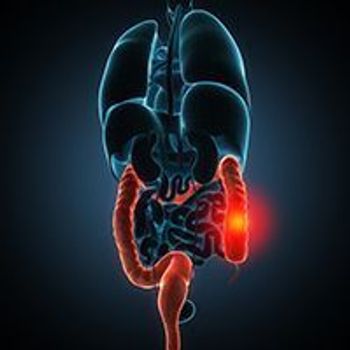
Nivolumab alone or in combination with ipilimumab continued to demonstrate sustained clinical benefit as second- and first-line therapy, respectively, in patients with microsatellite instability–high and mismatch repair deficient metastatic colorectal cancer.
Thierry André, MD, discusses the results of the phase 1 GARNET study with dostarlimab and the significance of these findings for patients with mismatch repair–deficient/microsatellite instqability–high solid tumors.
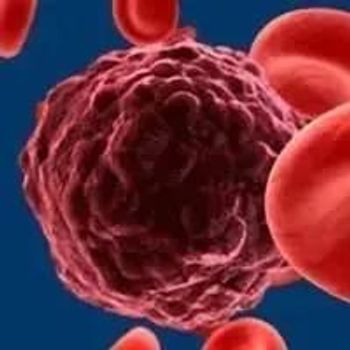
The CAR T-cell therapy anbalcabtagene autoleucel generated strong overall response rates in patients with relapsed/refractory large B-cell lymphoma.
Mili Arora, MD, talks about changing the fellowship program at UC Davis, the effect the COVID-19 pandemic has had on her trainees, and the importance of working late nights with her fellows.
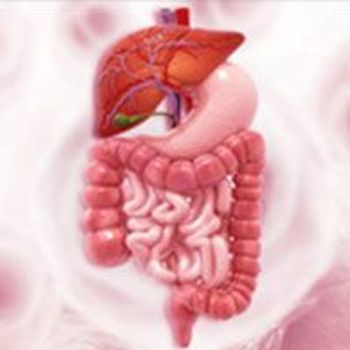
The combination of nivolumab and ipilimumab generated a 100% response rate in patients with mismatch repair–deficient colon cancer and a 29% response rate in patients with MMR-proficient disease.
The Rutgers Board of Governors has named Rutgers Cancer Institute of New Jersey Deputy Director Eileen White, PhD, the Board of Governors Professor of Molecular Biology and Biochemistry at the Rutgers School of Arts and Sciences for her contributions to science and leadership in the fields of apoptosis, autophagy and cancer metabolism.
The expansion of technology includes machine learning, which is quickly emerging as a dynamic aid for clinicians in every aspect of cancer care, from diagnosis to treatment decisions.
The addition of belantamab mafodotin-blmf to lenalidomide and dexamethasone generated responses with acceptable safety in patients with newly diagnosed multiple myeloma who were ineligible to undergo autologous stem cell transplant.
The FDA has granted an orphan drug designation to PBI-200 for the treatment of patients with NTRK fusion–positive solid tumors, including primary and metastatic brain tumors.

Digital health solutions have the potential to improve outcomes via remote symptom monitoring, increase patient/physician communication, and improve patient education.
Ben Ho Park, MD, PhD, summarizes exciting data regarding circulating tumor DNA testing, including its ability to determine the benefits of adjuvant chemotherapy, its successful preliminary use in detecting cancer prior to recurrence, and how it may help guide future therapies.
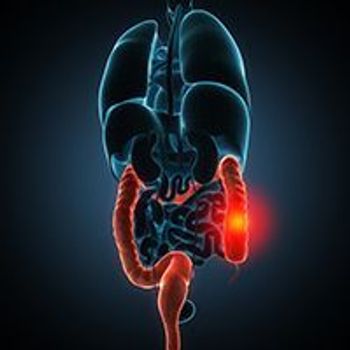
The addition of nivolumab to FOLFOXIRI and bevacizumab resulted in encouraging responses when used as frontline treatment in patients with advanced or metastatic colorectal cancer harboring RAS or BRAF mutations, irrespective of microsatellite status.
Praluzatamab ravtansine achieved a promising overall response rate in patients with advanced hormone receptor–positive, HER2-negative breast cancer.