

Joyce O'Shaughnessy, MD, outlines the current role and ongoing research of CDK4/6 inhibitors in the treatment of patients with hormone receptor–positive, HER2-negative early stage breast cancer.

Your AI-Trained Oncology Knowledge Connection!
Joyce O'Shaughnessy, MD, outlines the current role and ongoing research of CDK4/6 inhibitors in the treatment of patients with hormone receptor–positive, HER2-negative early stage breast cancer.

CAR T-cell therapy, autologous stem cell transplant, and novel agents each have a role to play in the second-line management of patients with primary refractory diffuse large B-cell lymphoma, according to Jason Westin, MD, MS, FACP, and Laurie H. Sehn, MD, MPH.
A pooled analysis of the INSIGHT MM, UVEA-IXA, and REMIX observational studies found that real-world outcomes with ixazomib/lenalidomide/dexamethasone were consistent with those reported in the TOURMAILINE-MM1 study.

Tycel Jovelle Phillips, MD, outlines the reasons why p53-mutated mantle cell lymphoma is difficult to treat and discusses potential future directions for the treatment of this subgroup of patients.
Eltanexor has been granted a fast track designation from the FDA and an orphan medicinal product designation from the European Commission for use as a potential therapeutic option in patients with myelodysplastic syndromes.

The FDA has granted fast track and rare pediatric disease designations to the CAR T-cell therapy WU-CART-007 for the treatment of patients with relapsed/refractory T-cell acute lymphoblastic leukemia and lymphoblastic lymphoma.

The European Commission granted a full marketing authorization to selinexor in combination with once-weekly bortezomib and low-dose dexamethasone for the treatment of adults with multiple myeloma who have received at least 1 previous therapy.
Immune checkpoint inhibitor therapy in relapsed follicular lymphoma can induce immune-related adverse events which can be difficult to diagnose and manage.

Alison J. Moskowitz, MD, explains how the addition of novel agents to established chemotherapy regimens could further shift the frontline treatment paradigm for classic Hodgkin lymphoma.
Ann S. LaCasce, MD, MMSC, explains how bretuximab vedotin has produced a survival benefit in patients with advanced classic Hodgkin lymphoma.
Single-agent mosunetuzumab produced a complete response rate that was greater than what has been observed with historical controls in patients with relapsed/refractory follicular lymphoma who had received at least 2 prior lines of therapy, meeting the primary end point of the expansion portion of the phase 1/2 GO29781 trial.

Pembrolizumab plus concurrent chemoradiation followed by pembrolizumab maintenance did not lead to a statistically significant improvement in event-free survival vs concurrent chemoradiation alone in patients with unresected locally advanced head and neck squamous cell carcinoma.
Brad S. Kahl, MD, explains the evolution of mantle cell lymphoma treatment over the past decade and lays out the trajectory for future therapies, including the potential benefits of lenalidomide in the maintenance setting.
Zanubrutinib was found to significantly improve progression-free survival over a doublet comprised of bendamustine plus rituximab in patients with treatment-naïve chronic lymphocytic leukemia and small lymphocytic lymphoma, according to data from cohort 1 of the phase 3 SEQUOIA trial.

The combination of ofranergene obadenovec and paclitaxel failed to elicit a statistically significant improvement in progression-free survival or overall survival compared with paclitaxel alone in patients with platinum-resistant ovarian cancer, missing the coprimary end points of the OVAL trial.
The CAR T-cell therapy CB-010 displayed promising preliminary efficacy and safety results in patients with relapsed/refractory B-cell non-Hodgkin lymphoma according to findings from the phase 1 ANTLER trial presented during the 2022 Pan Pacific Lymphoma Meeting.
Patients with recurrent, platinum-resistant ovarian cancer have limited effective treatment options available, but a class of targeted antibody-drug conjugates represent a promising development for this population.

Polatuzumab vedotin, in combination with rituximab, cyclophosphamide, doxorubicin, and prednisone, induced a 27% reduction in relative risk for disease progression, relapse, or death for patients with newly diagnosed diffuse large B-cell lymphoma.

Integrating the lived experiences of patients with relapsed or refractory diffuse-large B-cell lymphoma into treatment-decision making should be a priority for practicing oncologists.
Pirtobrutinib demonstrated potent antitumor activity and a low incidence of adverse effects in patients with BTK-pretreated and -naïve mantle cell lymphoma.
Treatment with zanubrutinib maintained or improved response without an increase in acalabrutinib intolerance events in patients with previously treated B-cell malignancies.

Neha Mehta-Shah, MD, MSCI, discusses frontline therapies in peripheral T-cell lymphoma, highlighting the current treatment landscape and the need to explore more treatment options in clinical trials.

The European Commission has approved fam-trastuzumab deruxtecan-nxki for use as a single agent in adult patients with unresectable or metastatic HER2-positive breast cancer who have previously received at least 1 anti–HER2-based regimen.

Mount Sinai researchers have discovered a previously unknown mechanism in which not-yet-malignant cells from early breast cancer tumors travel to other organs and, eventually, “turn on” and become metastatic breast cancer.

Avyakta Kallam, MBBS, discusses the benefits and shortcomings of the current standard of care in central nervous system lymphoma and expressed the importance of studying frontline targeted agents in this population.
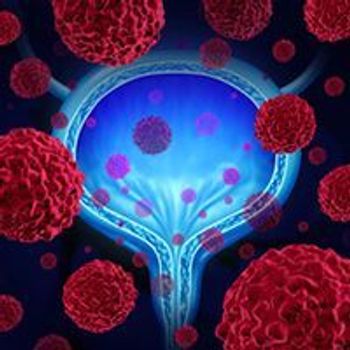
The clinical development of Vicineum for use as a potential therapeutic option in patients with high-risk, Bacillus Calmette-Guérin–unresponsive non–muscle invasive bladder cancer.

Pralsetinib has been approved in Hong Kong, China, for use in treatment-naïve and pretreated adult patients with RET fusion–positive, metastatic non–small cell lung cancer.

Edward Kim, MD, and Myron E. Schwartz, MD, discuss the background and findings of the RASER study, the role of radiation segmentectomy, and its potential to be combined with immunotherapy.

The Philippine FDA has granted approval to alpelisib in combination with fulvestrant for the treatment of patients with PIK3CA-mutated, HR-positive, HER2-negative advanced or metastatic breast cancer.

Genetic testing has afforded oncologists with the opportunity to identify patients who may have a higher risk of developing cancer and identify actionable mutations to allow patients to receive targeted therapy and have their long-term treatment plan mapped out at diagnosis.