
The FDA has granted an orphan drug designation to the PD-1 inhibitor toripalimab as a potential therapeutic option for patients with small cell lung cancer.

Your AI-Trained Oncology Knowledge Connection!
The FDA has granted an orphan drug designation to the PD-1 inhibitor toripalimab as a potential therapeutic option for patients with small cell lung cancer.

The FDA has granted a fast track designation to the antibody-drug conjugate CMG901 as a single-agent treatment for patients with unresectable or metastatic gastric and gastroesophageal junction cancer that is relapsed or refractory to approved therapies.
In a 16 to 0 vote, with 1 abstention, the FDA’s Oncologic Drugs Advisory Committee voted in support of basing future approvals for PI3K inhibitors on randomized data instead of single-arm clinical trials.
The safety, tolerability, and preliminary efficacy of the irreversible, small molecule pan-FGFR inhibitor KIN-3248 is under investigation in adult patients with advanced tumors harboring FGFR2 and/or FGFR3 gene alterations, as part of the phase 1 KN-4802 trial.
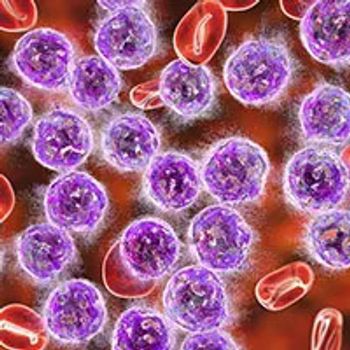
Investigators from Hackensack University Medical Center’s John Theurer Cancer Center confirm that cryopreserved stem cells collected before a first stem cell transplant to treat multiple myeloma are just as viable and potent for use in a second "salvage" transplant 20 years later.
Traditional eligibility criteria for pancreatic cancer clinical trials reinforce underrepresentation of racial and ethnic minorities in clinical trial candidacy and skew standards of care in favor of non-Hispanic White participants.
The addition of novel anti–LAG-3 antibody relatlimab-rmbw to antiPD-1 antibody nivolumab offers treatment-naïve patients with unresectable or metastatic melanoma an efficacious and tolerable immunotherapy treatment option.
Hadeel Assad, MD, discussed how CDK4/6 inhibitors have been implemented into practice and provided updates on key clinical trials in HER2-positive breast cancer and triple-negative breast cancer.

The FDA has granted a fast track designation to the CAR T-cell therapy ADI-001 for the treatment of patients with relapsed/refractory B-cell non-Hodgkin lymphoma.
Roy S. Herbst, MD, PhD, discusses the rationale for exploring immunotherapy/TKI combinations like pembrolizumab plus lenvatinib in patients with non–small cell lung cancer, and outlined the different efforts that comprise the LEAP clinical trial program.

Ulka Nitin Vaishampayan, MBBS, discusses the intent of the PROBE trial, as well as updates regarding the KEYNOTE-564 trial and novel agents in kidney cancer treatment.
Standard chemoradiation therapy regimens have had marked success for patients with muscle-invasive bladder cancer; however, up to 30% of patients who receive treatment with bladder preserving intent will have recurrence.
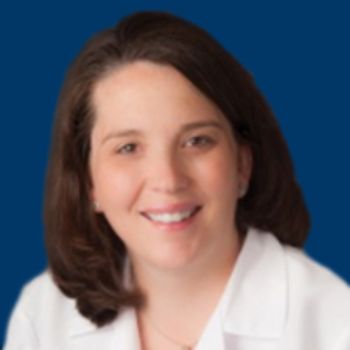
Rebecca D. Edmonds, MD, a surgical oncologist specializing in the treatment of diseases of the liver, pancreas, gallbladder, spleen, colon, thyroid and breast, has joined the Allegheny Health Network Cancer Institute.
Pragmatic clinical trials “inform a clinical or policy decision by providing evidence for adoption of the intervention into real-world clinical practice.”
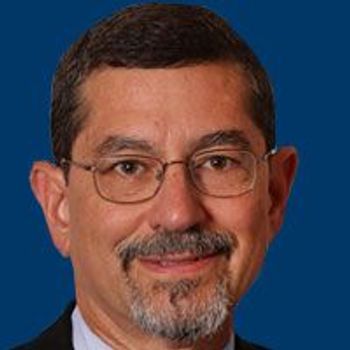
David P. Carbone, MD, PhD, discusses the evolution of immunotherapy and targeted therapy in non–small cell lung cancer and the importance of biomarker testing for personalized therapy.
The combination of tislelizumab and gemcitabine/cisplatin continued to demonstrate a greater progression-free survival benefit than chemotherapy alone when used in the frontline treatment of patients with recurrent or metastatic nasopharyngeal cancer.
The safety, tolerability, and preliminary efficacy of the anti-HER2 CAR macrophage therapy, CT-0508, will be investigated in patients with solid tumors and HER2 overexpression, as part of a first-in-human phase 1 study.

Marlana M. Orloff, MD, overviews how pivotal efficacy and safety data of tebentafusp will improve the treatment paradigm for adult patients with HLA-A*02:01–positive unresectable or metastatic uveal melanoma.
Trastuzumab emtansine as a second-line treatment led to shorter median treatment duration and time to treatment failure in patients with HER2-positive metastatic breast cancer who progressed on pertuzumab and trastuzumab–based regimens.
The FDA has accepted for priority review a supplemental biologics license application for trastuzumab deruxtecan for the treatment of adult patients with unresectable or metastatic non–small cell lung cancer whose tumors have a HER2 mutation and who have received a prior systemic therapy.

Elizabeth Plimack, MD, MS, chief of the Division of Genitourinary Medical Oncology and professor in the Department of Hematology/Oncology at Fox Chase Cancer Center, has been appointed Deputy Director.
Jason Luke, MD, FACP, reviews key points from each presentation from an Institutional Perspectives in Cancer webinar on melanoma and provides perspective on the practice-changing benefits of therapies moving into earlier lines of treatment.

As technology and cancer care continue to become intertwined at every level, there is an imperative need to effectively process and use vast amounts of data to provide the highest level of care for patients.
The China National Medical Products Administration has approved tislelizumab for use in patients with locally advanced or metastatic esophageal squamous cell carcinoma who have disease progression or who are intolerant to frontline standard chemotherapy.
The FDA has approved the third biosimilar for bevacizumab: bevacizumab-maly (Alymsys).
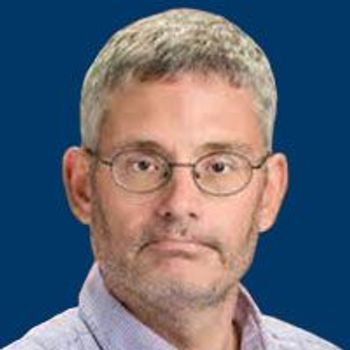
The addition of bortezomib to chemotherapy improved survival rates in children and young adults with newly diagnosed T-cell lymphoblastic lymphoma, according to data from the phase 3 AALL1231 trial.
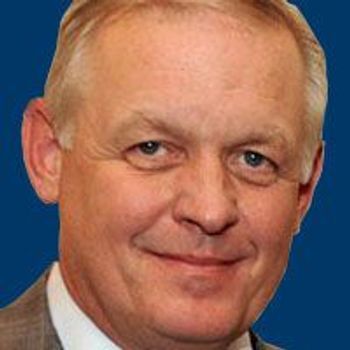
William J. Gradishar, MD, discusses the expansion of antibody-drug conjugates across subsets of breast cancer, along with emerging treatment options within each space.
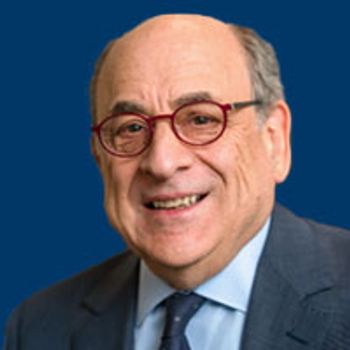
The Gairdner Foundation has announced that Stuart H. Orkin, MD, is one of the 2022 Canada Gairdner Award laureates for seminal discoveries and contributions to biomedical science.
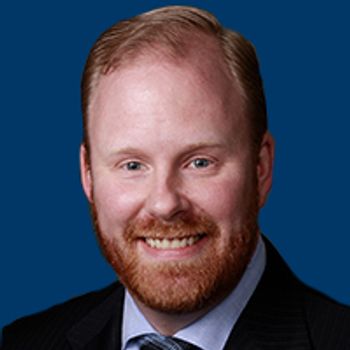
Lung cancer management methods are rapidly evolving to encompass immunotherapy in the frontline setting and approved second-line options with tyrosine kinase inhibitors and monoclonal antibodies in non–small cell lung cancer, as well as treatment advances in first- and second-line small cell lung cancer.
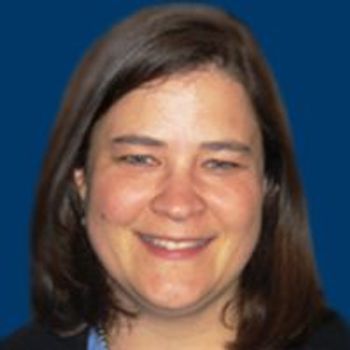
Marcia S. Brose, MD, PhD, FASCO, and a panel of thyroid cancer experts share their insights into the evolving treatment landscape, including the use of VEGF receptor inhibitors and some of the precision medicine treatments now identified for molecularly selected subsets of patients with differentiated thyroid cancer, such as BRAF, RET, and TRK inhibitors.