
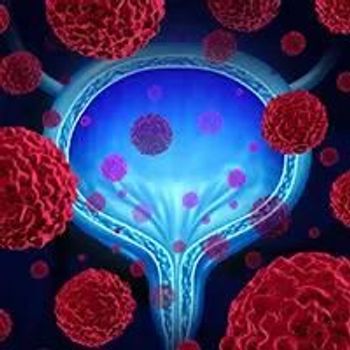
The combination of the novel adenoviral vector NG-641 and nivolumab is being investigated in patients in the phase 1a/b NEBULA trial in patients with previously treated metastatic or advanced epithelial tumors.

Your AI-Trained Oncology Knowledge Connection!
The combination of the novel adenoviral vector NG-641 and nivolumab is being investigated in patients in the phase 1a/b NEBULA trial in patients with previously treated metastatic or advanced epithelial tumors.
The FDA has placed a partial clinical hold on the open-label, dose-escalating phase 1/2 TakeAim Lymphoma study investigating the safety and efficacy of emavusertib in patients with relapsed or refractory B-cell malignancies.
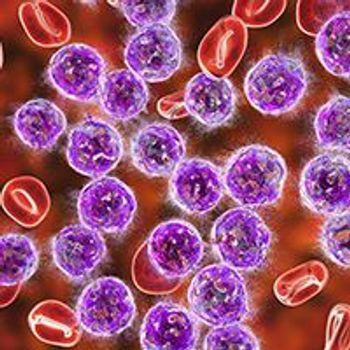
Resistance to CD19-directed CAR T-cell therapy was associated with molecular characteristics identified in pediatric patients with acute lymphoblastic leukemia.

CoVac-1, a multi-peptide COVID-19 vaccine, elicited promising T-cell activity and safety in patients with cancer who have disease- or treatment-related immunoglobulin deficiency.

The FDA has lifted a partial clinical hold that had been placed on studies examining magrolimab in combination with azacitidine following a review of comprehensive safety data collected from each trial.
SCC244, a highly selective MET inhibitor, demonstrated durable efficacy in patients with non–small cell lung cancer who harbored MET exon 14 skipping mutations.
The National Cancer Institute-designated Albert Einstein Cancer Center has announced the appointment of three faculty members to key leadership positions.

The investigational Wee1 inhibitor ZN-c3 was found to be safe and to produce a disease control rate of 90.9% and an objective response rate of 27.3% in patients with advanced or recurrent uterine serous carcinoma.
The combination of ibrutinib and venetoclax administered for a fixed duration elicited durable responses and sustained progression-free survival in previously untreated, high-risk patients with chronic lymphocytic leukemia and small lymphocytic lymphoma, according to data from the phase 2 CAPTIVATE trial.

High genomic loss of heterozygosity scores may serve as a predictive marker for response to treatment with talazoparib in metastatic castration-resistant prostate cancer.
The novel KRAS G12C inhibitor, JDQ443, demonstrated early efficacy signals and a tolerable safety profile in initial data from the dose-escalation portion of the phase 1b/2 KontRASt-01 trial.
Zanubrutinib demonstrated superiority over ibrutinib in terms of overall response rate per independent review committee assessment in adult patients with relapsed or refractory chronic lymphocytic leukemia or small lymphocytic lymphoma.

AZD5305, a next generation PARP inhibitor, produced favorable safety and clinical activity vs first-generation PARP inhibitors in patients with multiple different cancer types.
Durvalumab plus either oleclumab, monalizumab, or damvatirsen led to an improvement in major pathologic response vs durvalumab alone as neoadjuvant therapy in patients with resectable, early-stage non–small cell lung cancer, according to findings from the phase 2 NeoCOAST clinical trial.

The combination of nivolumab plus platinum-doublet chemotherapy led to a significant improvement in event-free survival compared with chemotherapy alone as neoadjuvant treatment in patients with resectable non–small cell lung cancer, according to findings from the phase 3 CheckMate 816 trial.
Perioperative pembrolizumab plus standard of care chemotherapy followed by adjuvant pembrolizumab showed a meaningful pathological complete response rate in patients with resectable gastric and gastroesophageal junction adenocarcinoma.
The combination of pepinemab and pembrolizumab elicited encouraging responses and tolerability as frontline therapy in patients with recurrent or metastatic head and neck cancer.
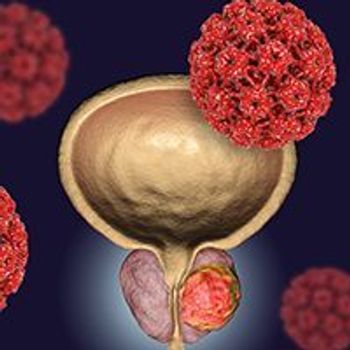
The genetic adjustment of prostate-specific antigen could reduce over-diagnosis, de-escalate invasive testing, and improve the detection of aggressive disease in patients with prostate cancer.
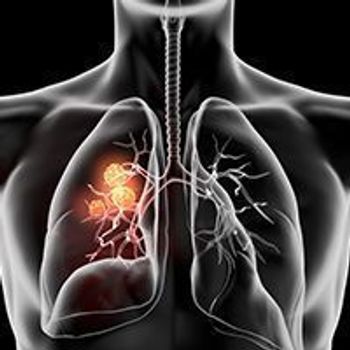
Patients with extensive-stage small cell lung cancer whose disease harbors inflamed or YAP1 molecular subtypes may be more likely to derive superior overall survival benefit from durvalumab and chemotherapy vs those with other overexpressed biomarkers.
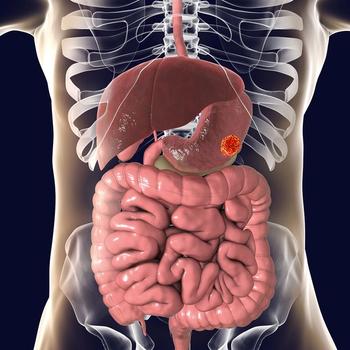
The combination of nivolumab with chemotherapy elicited a higher overall survival rate compared with chemotherapy alone in patients with advanced gastric cancer, gastroesophageal junction cancer, and esophageal adenocarcinoma, regardless of tumor mutational burden (TMB) status.

Researchers at Sylvester Comprehensive Cancer Center at the University of Miami Miller School of Medicine have joined forces with the University of Miami College of Engineering for a collaborative initiative to develop and deploy innovative technologies for early detection, diagnosis, and treatment of cancer.
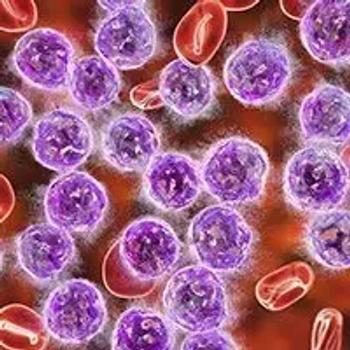
The CAR T-cell therapy BNT211, with or without an mRNA vaccine, produced efficacious and tolerable safety results.

Mridula George, MD, discusses the variety of innovative HER2-positive breast cancer treatment options that have recently been approved or are undergoing investigation in clinical trials to broaden the standards of care for patients in this subgroup.

The dual immunotherapy combination of nivolumab and ipilimumab elicited encouraging and durable responses with acceptable safety in patients with advanced or metastatic tumor mutational burden–high solid tumors that were refractory to standard therapies, meeting the primary end points of the phase 2 CheckMate-848 trial.
The oral ataxia-telangiectasia and Rad3–related protein inhibitor elimusertib produced durable and prolonged responses in patients with advanced solid tumors who have ATM gene alterations and BRCA1/2 defects.
In the ENDOLA trial, olaparib in combination with metronomic cyclophosphamide and metformin showed a significant non-progression rate in patients with recurrent advanced or metastatic endometrial cancer.
The T-cell attributes of axicabtagene ciloleucel impacted tumor burden, efficacy outcomes, peak levels of proinflammatory cytokines, and toxicities such as neurologic events and cytokine release syndrome in patients with relapsed/refractory large B-cell lymphoma.
GD2-directed CAR T-cell therapy demonstrated prolonged periods of radiographic and clinical improvement in pediatric and young adult patients with H3K27M-mutated diffuse intrinsic pontine gliomas and spinal diffuse midline gliomas.

Off-the-shelf anti-mesothelin T-cell receptor fusion construct T cells demonstrated prolonged persistence and efficacy in vivo against mesothelin-expressing tumors in mice, compared with gavocabtagene autoleucel.

Sotorasib demonstrated an overall survival rate of 32.5% at 2 years in patients with KRAS G12C–mutant non–small cell lung cancer, according to longer follow-up data from the phase 1/2 CodeBreaK 100 trial.