
Despite the breakthroughs in the development of therapeutic regimens for patients with mantle cell lymphoma, variability in treatment pathways presents a unique hurdle in determining the appropriate course of care following disease progression.

Your AI-Trained Oncology Knowledge Connection!
Despite the breakthroughs in the development of therapeutic regimens for patients with mantle cell lymphoma, variability in treatment pathways presents a unique hurdle in determining the appropriate course of care following disease progression.

The combination of the TKI inhibitor imatinib and the MEK inhibitor binimetinib elicited encouraging responses in patients with treatment-naïve advanced gastrointestinal stromal tumors.

Antibody-drug conjugates appear to have the most activity in those with non–small cell lung cancer and HER2 expression.
Repeat histologic evaluation and molecular testing in patients with EGFR-mutant non–small cell lung cancer who develop acquired resistance to osimertinib can deliver pertinent information that can help guide subsequent treatment decisions.

Although PD-L1 expression and histology served as helpful stratification factors in pivotal trials, the paradigm will need to build out more tailored selection strategies as additional checkpoint inhibitors move through development.
Concurrent chemoradiation followed by durvalumab has become the standard of care for patients with unresectable stage III non–small cell lung cancer based on the results of the phase 3 PACIFIC trial. However, several strategies are under clinical evaluation to push the paradigm beyond the PACIFIC regimen.
A combination of two drugs that open the floodgates to an immune system attack on cancer curtailed tumor growth in some patients with non–small cell lung cancer that was resistant to a single immunotherapy agent.
Brian A. Van Tine, MD, PhD, sheds light on the promise of SPEAR T-cell therapy in patients with synovial sarcoma and MRCLS, the safety and efficacy observed with afami-cel in the SPEARHEAD-1 trial, and next steps for research.
Michael A. Choti, MD, MBA, FACS, discusses the progress made in gastrointestinal cancers, plus the need to coordinate care between patients, oncologists, and surgeons.
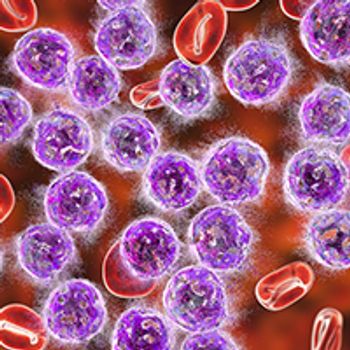
The subcutaneous combination of the BCMA-targeting bispecific antibody teclistamab and daratumumab produced promising preliminary efficacy and favorable tolerability in heavily pretreated patients with relapsed or refractory multiple myeloma, according to results from the phase 1b TRIMM-2 trial.
Sara A. Hurvitz, MD, reflects on the past year in HER2-positive breast cancer.
In the past 2 years, key data from clinical trials in advanced lung cancer have demonstrated that immunotherapy has expanded the bounds of the armamentarium for the treatment of several lung cancers.
Surgical resection remains the key treatment modality for early-stage non–small cell lung cancer; however, both systemic adjuvant and neoadjuvant therapeutics are options that have value for patients.
Debra L. Richardson, MD, FACS, FACOG, discusses the role of NaPi2b as a target for upifitamab rilsodotin, data that have emerged from the ongoing phase 1/2 UPLIFT trial, and the development of other studies like UPNEXT and UPGRADE that are further evaluating upifitamab rilsodotin in patients with ovarian cancer.
The FDA has announced that they are investigating umbralisib (Ukoniq), an oral inhibitor of PI3K-delta and CK1-epsilon that is approved to treat patients with marginal zone lymphoma and follicular lymphoma, after initial data from the phase 3 UNITY-CLL trial revealed a potential increased risk of death in those who received the agent.
John Seymour, MD, discusses the safety of acalabrutinib vs ibrutinib in patients with chronic lymphocytic leukemia, and what findings from post-hoc analyses of the ELEVATE-RR trial mean for clinical practice.

Faith E. Davies, MD, a nationally renowned hematology expert, has been appointed the inaugural director of the Center for Blood Cancers at NYU Langone Health’s Perlmutter Cancer Center.
The field of non–small cell lung cancer has exploded with continuous advances in targeted therapies directed toward key molecular alterations, including rare mutations like MET exon 14 skipping mutations, RET rearrangements, and ROS1 mutations.
Arpita Gandhi, MD, discusses a subgroup analysis of patients with myelofibrosis who received Orca-T and how this type of therapy could be a game-changer for this patient population.
In 2021, 13 novel agents were approved across hematology/oncology. Additionally, there were many other notable approvals—whether they were new formulations, expanded indications, or biosimilar approvals—across tumor types that expanded accessibility for varying patient populations.
Frontline administration of the checkpoint inhibitors ipilimumab plus nivolumab followed by the targeted agents dabrafenib plus trametinib improved overall survival in patients with BRAF V600–mutant melanoma vs the reverse sequence of combinations, according to data from the phase 3 DREAMseq trial presented during the ASCO Virtual Plenary Series.
Naveen Pemmaraju, MD, discusses results from a retrospective study examining the utilization hyper-CVAD, and long-term follow-up data regarding the use of tagraxofusp in patients with blastic plasmacytoid dendritic cell neoplasm.

The 3-patient safety run-in for the pancreatic cancer cohort of the ongoing phase 1/2 GOBLET study did not reveal any safety concerns with the novel combination of pelareorep and atezolizumab.

NECS to be the first and only affiliate member of the Dana-Farber Cancer Institute.
The combination of brentuximab vedotin and chemotherapy resulted in a statistically significant improvement in overall survival when used in the frontline treatment of patients with advanced classical Hodgkin lymphoma.
The Biden-Harris administration has announced a plan to restart the Cancer Moonshot initiative, which President Joe Biden first launched as vice president of the Obama administration in 2016.
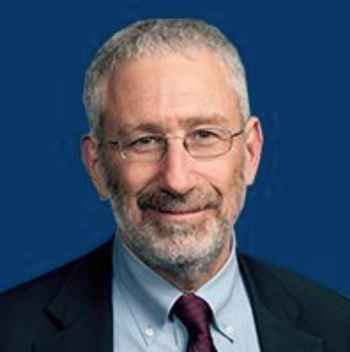
Maurie Markman, MD, explains the concerns surrounding liquid biopsies in cancer screening, and why regulatory agencies should be cautious and not approve any proposed molecularly based cancer diagnostic screening strategy until the tool is shown to effect cancer-specific survival compared with a control population not undergoing such testing.
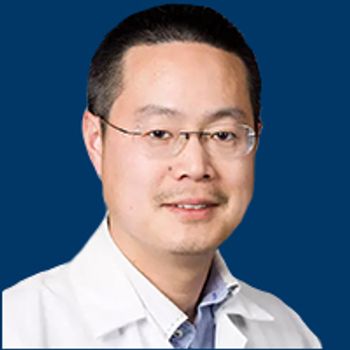
Developing BRAF inhibitors for patients with atypical class II and III mutations has become an exciting area of research.
The submission of a supplemental biologics license application seeking the approval of a Monday/Wednesday/Friday intramuscular dosing schedule for asparaginase erwinia chrysanthemi-rywn for use as a component of a multiagent chemotherapy regimen in patients with acute lymphoblastic leukemia and lymphoblastic lymphoma who have developed hypersensitivity to Escherichia coli–derived asparaginase has been submitted to the FDA.

Treatment with CD19-specific CAR T cells resulted in durable remission lasting more than 10 years for 2 patients with chronic lymphocytic leukemia.