
The Association of Community Cancer Centers announced today the release of consensus-driven recommendations to improve diversity, equity, and accessibility in cancer research.

Your AI-Trained Oncology Knowledge Connection!
The Association of Community Cancer Centers announced today the release of consensus-driven recommendations to improve diversity, equity, and accessibility in cancer research.
Arpita Gandhi, MD, discusses the background of Orca-T in further detail and how this type of treatment could revolutionize outcomes for patients with serious hematologic malignancies.
Bradley R. Corr, MD, discusses practice-changing developments and active clinical trials that are being done in endometrial cancer.

The identification of actionable oncogenetic drivers in patients with non–small cell lung cancer affords clinicians the opportunity to use targeted agents to optimize outcomes.

The 2-year overall survival rate almost doubled between 2000 and 2004 and 2015 and 2019 in patients with Philadelphia chromosome–positive acute lymphoblastic leukemia who had relapsed after allogeneic hematopoietic cell transplant, indicating improvements in patient care overall.
UCLA Jonsson Comprehensive Cancer Center researchers have uncovered a potential new way to target pancreatic tumors that express high intratumoral interferon signaling
The FDA has placed a partial clinical hold on clinical trials evaluating the combination of magrolimab and azacitidine after an apparent imbalance in investigator-reported, suspected unexpected serious adverse reactions observed between study arms.

Patients with cancer should be fully immunized against COVID-19, including third doses and/or any approved boosters.
Casey M. Cosgrove, MD, discussed the current state of biomarkers in the realm of endometrial cancer and how they may be optimally leveraged for prognostic and predictive purposes.
Neoadjuvant chemosensitivity was associated with an improvement in overall survival following adjuvant chemotherapy in patients with resectable gastric cancer, according to findings from a cohort study that were published in JAMA Network Open.
The global biopharmaceutical company Incyte has decided to withdraw the new drug application for parsaclisib for the treatment of patients with relapsed or refractory follicular lymphoma, marginal zone lymphoma, and mantle cell lymphoma.
R. Lor Randall, MD, speaks to the findings from a report that said multiple sex-related, racial/ethnic, and socioeconomic status disparities are associated with an increased incidence of metastatic bone disease originating from cancers in the prostate, renal, colon, lung, and breast.
The combination of nivolumab and cabozantinib was associated with improved quality of life compared with sunitinib in patients with previously untreated advanced renal cell carcinoma, according to patient-reported outcome data from the phase 3 CheckMate-9ER trial.
The American Oncology Network, LLC, whose mission is to support the long-term viability of community oncology, is pleased to announce that Medical Oncologist Shalin R. Shah, DO has been named to its Executive Board, providing strategic guidance to its growing network of over 100 physicians across 16 states.
The FDA has approved tebentafusp-tebn for the treatment of HLA-A*02:01–positive adult patients with unresectable or metastatic uveal melanoma.

Although advances in metastatic non–small cell lung cancer treatment have dramatically impacted cancer mortality, the translation of these approaches to earlier-stage NSCLC has just begun to bear fruit.
Debu Tripathy, MD, discusses key developments that may set the stage for new directions in care of breast cancer, including several areas of the treatment landscape on the cusp of change.

The combination of tivozanib and durvalumab showcased early efficacy with a manageable safety profile in patients with previously untreated advanced hepatocellular carcinoma.
The FDA has granted a fast track designation to CX-5461 (Pidnarulex) as a potential therapeutic option for patients with breast and ovarian cancers that harbor BRCA1/2, PALB2, or other homologous recombination deficiency mutations.
The PD-L1 antibody cosibelimab, when given at a fixed dose of 800 mg every 2 weeks, elicited a promising objective response rate with acceptable safety and tolerability in patients with metastatic cutaneous squamous cell carcinoma, meeting the primary end point of a phase 1 registration-enabling trial.
The FGFR TKI erdafitinib continued to provide consistent clinical benefits with a manageable safety profile when used in the second-line treatment of patients with locally advanced or metastatic urothelial carcinoma harboring FGFR alterations.
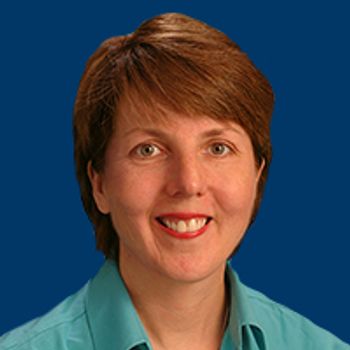
The University of Chicago Medicine Comprehensive Cancer Center has appointed renowned cancer researcher M. Eileen Dolan, PhD, as its Deputy Director.
Momelotinib provided a statistically significant benefit in terms of splenic symptoms, anemia, and splenic size in patients with myelofibrosis.
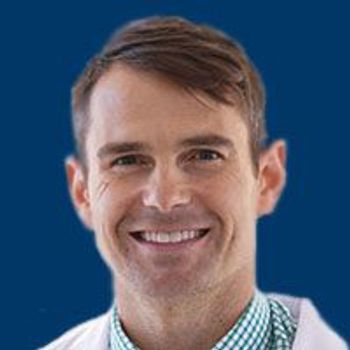
Nathaniel Ivanick, MD, FCCP, explains advancements in the use of robotic navigational bronchoscopy for the diagnosis of early-stage lung cancer.
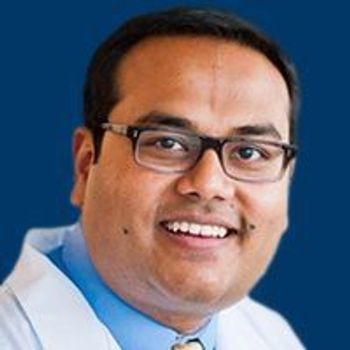
Aditya Bardia, MD, MPH, discusses the clinical implications of the DESTINY-Breast03 trial, the encouraging data from the DAISY trial, and sequencing questions that remain in the evolving paradigm of HER2-positive breast cancer.
Tislelizumab in combination with chemotherapy significantly improved overall survival vs chemotherapy alone when used in the frontline treatment of patients with locally advanced, unresectable or metastatic gastric or gastroesophageal junction adenocarcinoma whose tumors expressed PD-L1, meeting the primary end point of the phase 3 RATIONALE 305 trial.
The FDA has granted an orphan drug designation to eltanexor, an investigational novel SINE compound, as a potential therapeutic option for patients with myelodysplastic syndromes.
The National Comprehensive Cancer Network guidelines were updated for 2022 regarding the treatment of patients with breast cancer to include 2 new recommendations involving neratinib.
The University of Texas MD Anderson Cancer Center and Eisbach Bio GmbH today announced a strategic research collaboration to jointly discover and develop precision oncology drugs that target synthetic lethal engines key to tumor genome evolution.
The FDA has lifted a partial clinical hold on the phase 1b KOMET-001 trial, which is evaluating KO-539 as a therapeutic option in patients with relapsed or refractory acute myeloid leukemia.